

 1 hour ago
6
1 hour ago
6
ARTICLE AD BOX
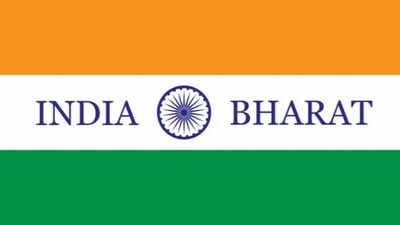
Do you know why our country is called India and Bharat? There are always questions about these names among the children who come across these terms in their textbooks, news channels, or other sources, including the Constitution of India.
In order to make them aware of the importance and significance of these names, it becomes necessary to share the information about the origin of these names with children in a simple manner.
Origin of the Name "India"
According to historians, the origin of the term "India" lies in the Indus River. In ancient period, the inhabitants living near the river Indus were known as "Sindhu". The term is then translated as "Indus" in the Greek and Latin languages.
With the passage of time, the land surrounding the river got its name as India and was known to everyone. The term became very famous and began to get recognition across the globe.
"Bharat" has an ancient historical background
The name Bharat comes from ancient Indian texts and traditions. It is believed to be derived from King Bharata, a legendary ruler mentioned in epics like the Mahabharata. According to stories, he was a wise and powerful king who ruled a vast land, and the country was named after him.
The name Bharat represents the cultural and historical roots of the nation.
The country has two names: India and Bharat
India is such a unique country in the world which has two names, India and Bharat. India is also recognized as Bharat, and its name is mentioned as "India, that is Bharat" in the Constitution of India. It clearly explains the fact that both names of the country are correct. People generally use the name 'India' internationally, whereas "Bharat" is used in India.
Different names reflect different history and culture
The names "India" and "Bharat" reflect various aspects of the history and culture of the nation. The history of a nation has many layers, including languages, cultural practices, rulers, events, wars, governance, etc. Thus, the names of a country also reflect different aspects of history and culture.








 English (US) ·