

 6 days ago
11
6 days ago
11
ARTICLE AD BOX
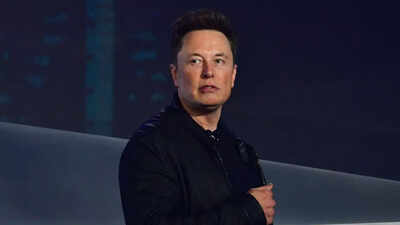
Delaware Court of Chancery Judge Kathleen McCormick announced on March 30 that she he reasoning several cases involving Elon Musk after the Tesla CEO accused her of bias. Musk’s attorneys had formally requested her recusal, pointing to what appeared to be her support of a LinkedIn post critical of him.
The post referenced a court verdict that could cost Musk billions for allegedly defrauding Twitter investors.In a letter to Elon Musk’s attorneys last week, McCormick clarified that she did not intend to click any emoji expressing support for the post and had reported possible “suspicious activity” on her LinkedIn account. In her order, she denied the motion for recusal but agreed to reassign three Musk-related actions to other judges.
“The motion for recusal rests on a false premise — that I support a LinkedIn post about Mr.
Musk, which I do not in fact support,” she wrote. “I am not biased against the defendants in these actions. In fact, I dismissed a suit against Mr. Musk just last year.”
Elon Musk’s history with Delaware courts
McCormick presided previously over Tornetta v. Musk, the shareholder suit that ordered Tesla to rescind Musk’s 2018 CEO pay package worth $56 billion. Musk reacted by moving Tesla and other businesses out of Delaware, incorporating them in Texas and Nevada.
In 2025, Delaware’s Supreme Court overturned McCormick’s ruling, restoring Musk’s pay package and calling her remedy too extreme.
Present cases of Elon Musk active in Delaware court
Two Musk-related cases remain active in Delaware:* A lawsuit concerning Tesla directors’ compensation.* A consolidated shareholder suit alleging Musk breached fiduciary duties to Tesla when he launched his AI company, xAI, as a potential competitor.
Judge’s Concerns
McCormick noted that “disproportionate media attention surrounding a judge’s handling of an action is detrimental to the administration of justice.” She emphasized her “complete faith” in her colleagues to adjudicate the reassigned cases fairly.






 English (US) ·