

 1 hour ago
4
1 hour ago
4
ARTICLE AD BOX
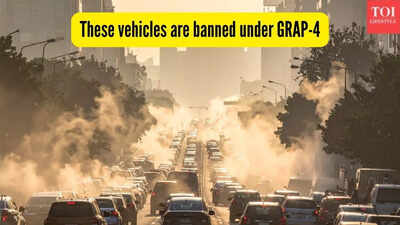
The world is aware of the Delhi NCR pollution emergency now. To fight the crisis situation, the Government has enforced the strictest stage of the Graded Response Action Plan (GRAP-4).
Under this, several vehicles have been banned from the road immediately and if someone is caught breaking the rule, they would be fined INR 20,000. This stage brings major restrictions on vehicular movement and mostly targets older and more polluting vehicles. The rule is applied to by the Commission for Air Quality Management (CAQM), which is a statutory body under the CAQM Act, 2021.Let’s have a closer look at what it means:Understanding GRAP-4 GRAP is a set of emergency measures which was implemented to deal with the worsening air pollution problem in Delhi-NCR. Here, GRAP-4 is the highest and severe stage of emergency. It is implemented when the Air Quality Index (AQI) goes beyond 450 (Severe Plus category).Which vehicles are banned
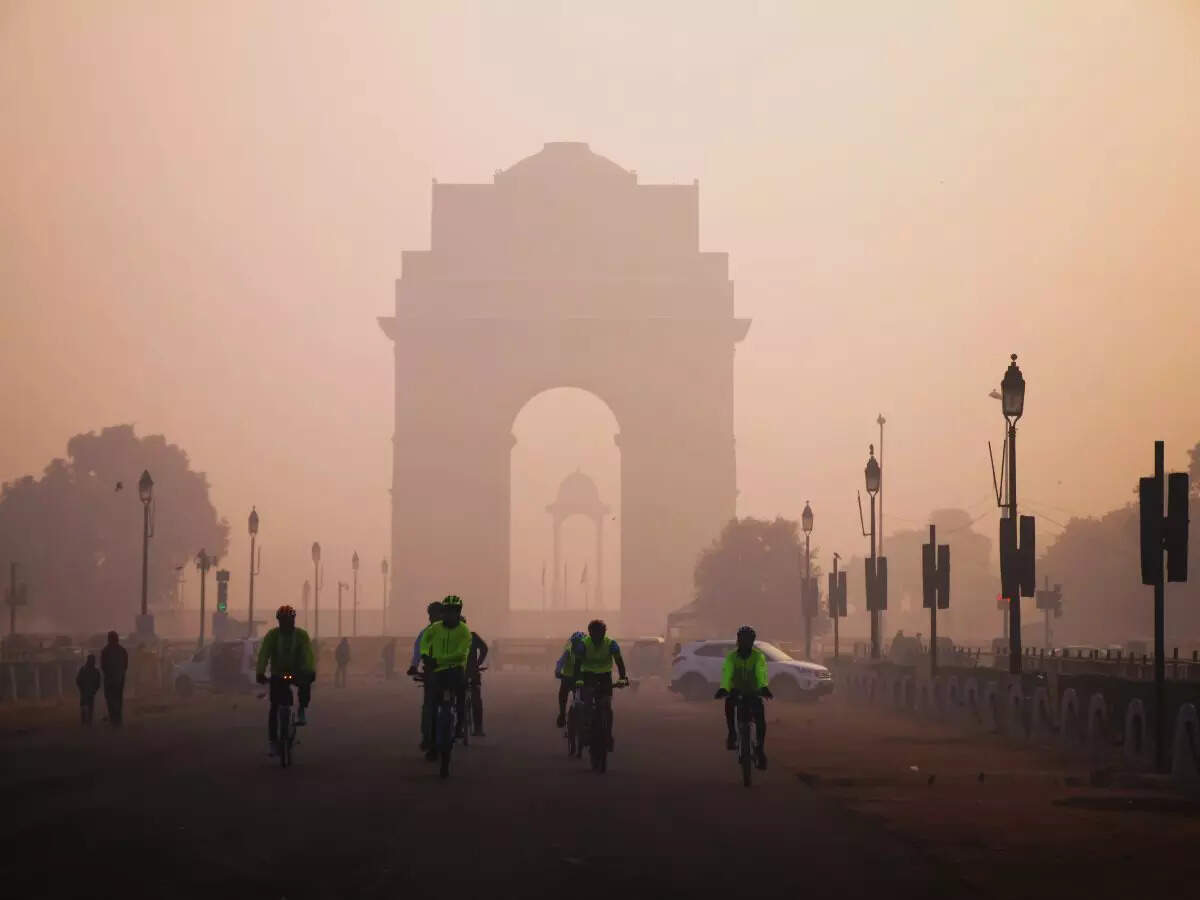
Older vehicles that contribute significantly to air pollution are mostly banned. Vehicles banned include:BS-III petrol vehiclesBS-IV diesel vehiclesNon-BS-VI vehicles entering Delhi from outsideOlder diesel commercial vehicles (BS-IV or below), except those providing essential servicesThese are absolutely restricted to run on Delhi roads during the GRAP-4 period.
Which vehicles are allowed
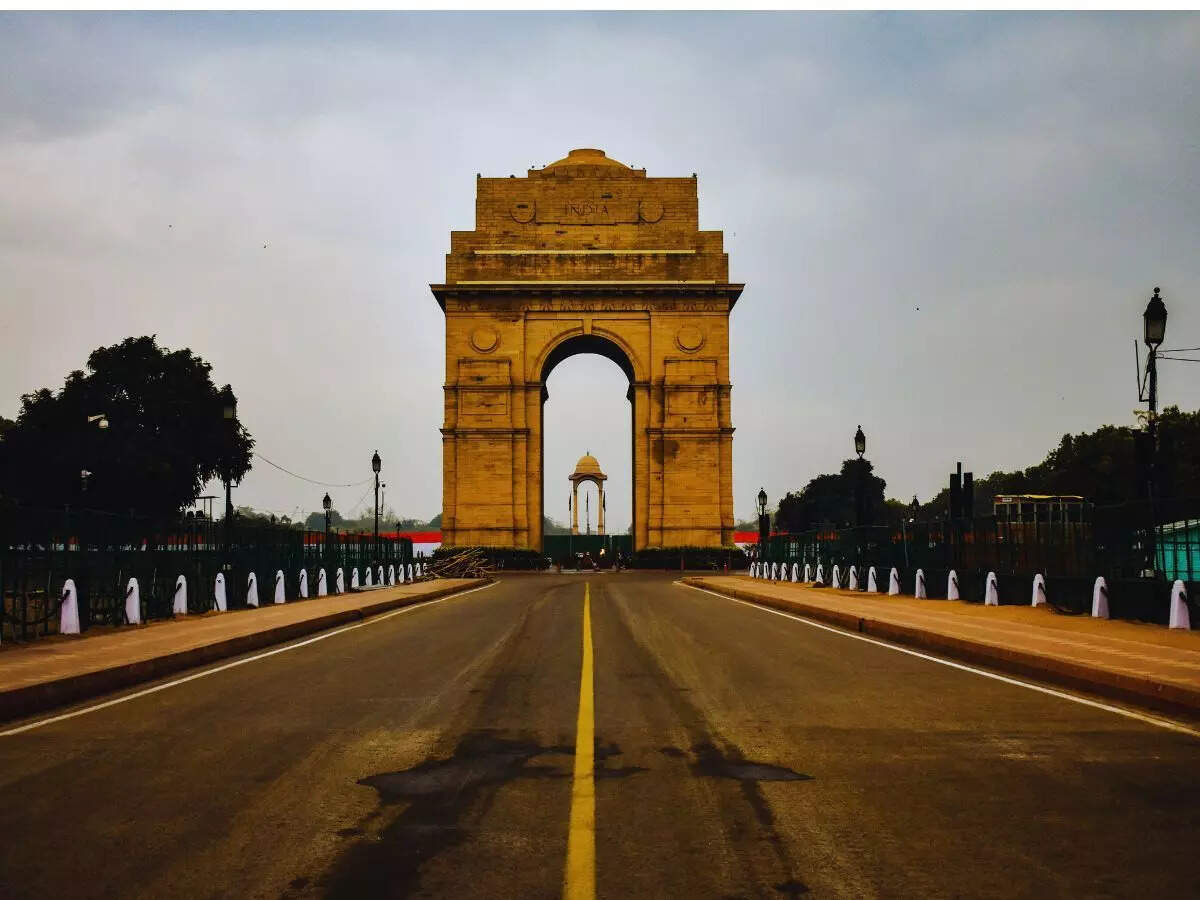
Vehicles which are allowed include:BS-VI compliant petrol and diesel vehiclesElectric vehicles (EVs)CNG and LNG vehiclesEmergency and essential services vehiclesPublic transport vehicles meeting emission normsVehicles with valid registration and Pollution Under Control (PUC) certificatesWhat is the fine amountIf someone is caught driving the banned vehicles, they’ll have to pay heavy penalties. Fine includes:Up to INR 20,000 for driving a banned BS-III petrol or BS-IV diesel vehicleUp to INR 10,000 for vehicles without a valid PUC certificateVehicles can be seized also if found violating GRAP-4.Enforcing the ban
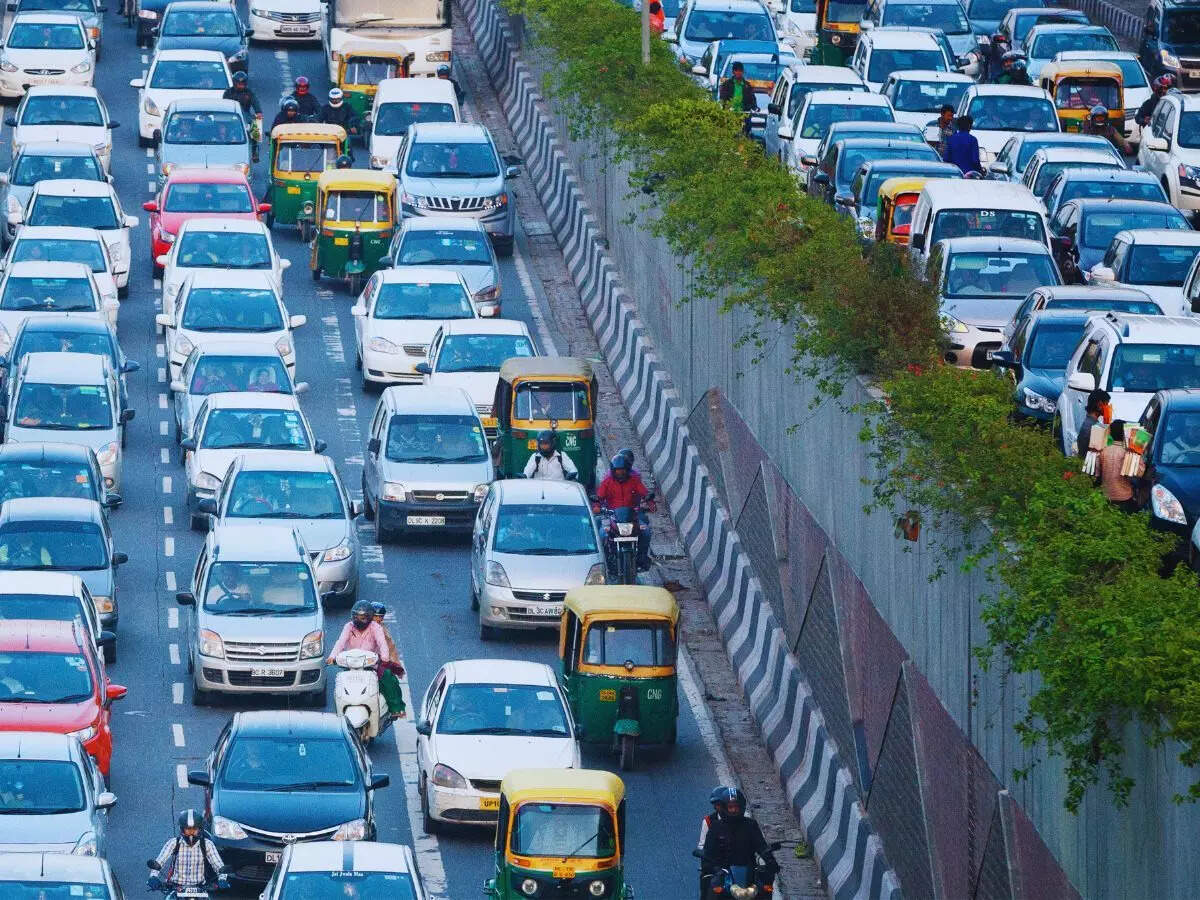
Traffic police has been deployed at all checkpoints at major roads and entry pointsFuel pump monitoringOn-ground inspections ANPR cameras installationOfficials have stated that enforcement will remain in place until pollution levels improve. Meanwhile, residents are advised to use public transport and carpooling.




 English (US) ·