

 1 hour ago
4
1 hour ago
4
ARTICLE AD BOX
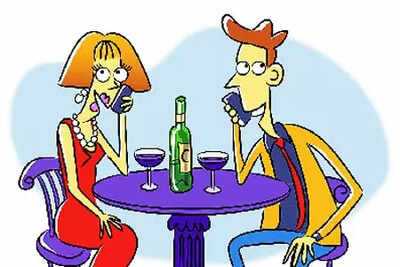
City restaurants’ quirky rules
In a move aimed at reducing bureaucratic friction and improving the Ease of Doing Business, the New Delhi Municipal Council has decided that restaurants and cafés registered with the Food Safety and Standards Authority of India will no longer be required to obtain a separate health trade permit from the civic body.Under the revised framework, the FSSAI licence will be treated as a presumed health and trade licence under relevant provisions of the NDMC Act. Officials said the change is designed to eliminate duplication, shorten approval timelines and lower compliance costs for businesses operating in some of the capital’s most prominent commercial districts.The reform is expected to benefit both existing establishments and new entrants in Delhi’s fast-growing food service industry, an ecosystem that has long complained of overlapping permissions and annual renewals.
Civic inspections will continue, NDMC officials clarified, to ensure adherence to public health, hygiene and sanitation standards.Industry groups have welcomed the decision as a long-overdue correction. Sagar Daryani, President of the National Restaurant Association of India, called it “a historic reform” for restaurateurs operating in NDMC areas.“Restaurants will no longer require a separate municipal Health Trade Licence, with FSSAI registration now recognised as the primary statutory requirement,” he said, describing the move as a meaningful step toward regulatory simplification.
Echoing that sentiment, Sandeep Anand Goyle, head of the NRAI’s Delhi chapter, said the decision strengthens the capital’s ease-of-doing-business framework at a critical moment. For years, he noted, restaurants faced annual licence renewals that often resulted in delays despite compliance with FSSAI, fire safety and excise norms.“This move will ease operational pressures, encourage new openings, generate employment and allow restaurateurs to focus on quality, innovation and growth rather than paperwork,” he said.




 English (US) ·