

 1 hour ago
6
1 hour ago
6
ARTICLE AD BOX
Last Updated:April 09, 2026, 07:30 IST
Official documents accessed by News18 from the 15th Finance Commission state-wise reports complicate this claim


For the Trinamool Congress, the deprivation narrative serves a dual purpose. It externalises governance challenges while reinforcing a larger political argument of federal injustice. File pic/PTI
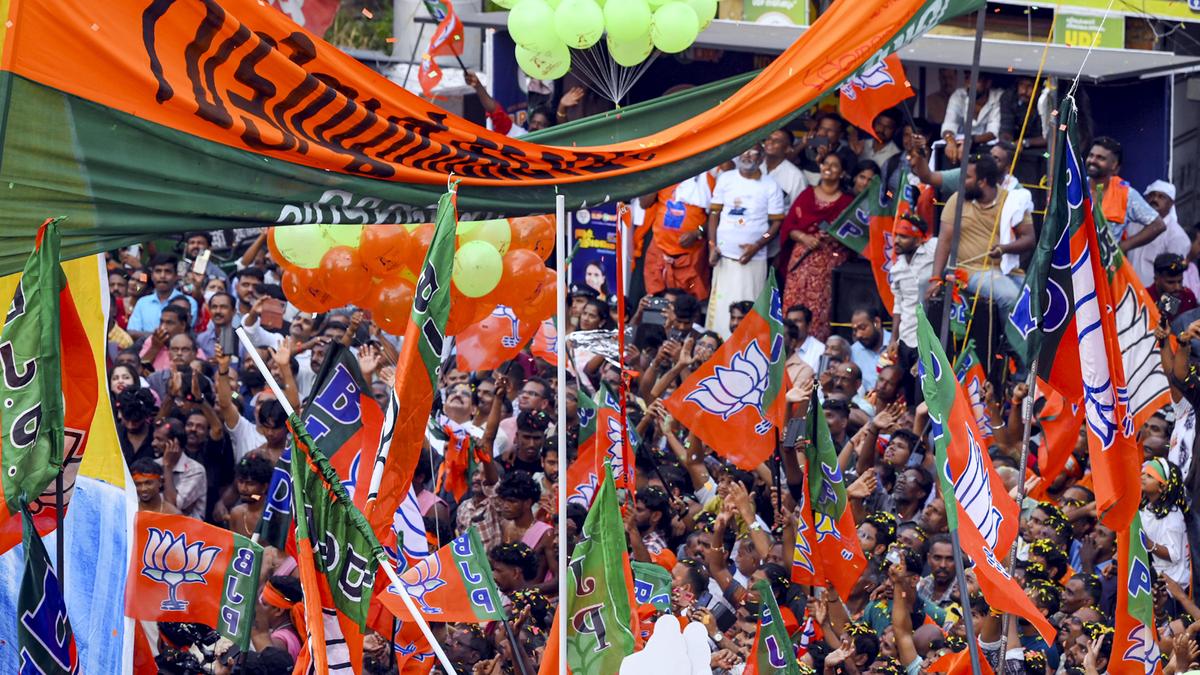
In the run-up to this month’s West Bengal assembly elections, chief minister Mamata Banerjee and her party, Trinamool Congress, have sharpened a familiar political plank: the alleged central deprivation. The narrative, which was built in a clear, consistent, and politically potent way, states that the Centre has withheld funds, slowing Bengal’s development and penalising its people for their electoral choices.
However, official documents accessed by News18 from the 15th Finance Commission state-wise reports complicate this claim. According to official records, West Bengal has received nearly 98% of its allocated share under the Finance Commission’s recommendations, which is a whopping Rs 21,342.14 crore of the total allocated Rs 21,611 crore .
In fact, Bengal stands fourth in receiving the highest of total allocation while Uttar Pradesh received the highest, around Rs crore 47,764, followed by Maharashtra being the second with around Rs 26,119 crore and Bihar at the third position with Rs 24,545 crore.
This figure significantly undercuts the sweeping assertion of systemic financial denial. While delays and procedural frictions are not uncommon in Centre-state fiscal relations, the data suggests that the flow of funds, at least in aggregate terms, has largely been in line with allocations. This divergence between political messaging and documented disbursal raises a critical question.
The Politics of Perception vs Paper Trail
The answer likely lies in the grey zone between perception and process. A senior government official explained: “State governments often point to conditionalities, scheme-specific bottlenecks, and delayed reimbursements as evidence of discrimination. The Centre, on the other hand, relies on macro-level disbursal data to assert compliance. Both can be true, but they operate in different registers. But, in West Bengal’s case, the claim that the ruling party made was factually incorrect."
For the Trinamool Congress, the deprivation narrative serves a dual purpose. It externalises governance challenges while reinforcing a larger political argument of federal injustice. In a state where regional identity and political autonomy are powerful currents, this framing resonates.
However, the Finance Commission data introduces an inconvenient counterpoint. If nearly the entire allocated share has been released, the argument becomes far more nuanced and less electorally and politically punchy. As Bengal heads towards polls, this clash between rhetoric and record will be pivotal.
First Published:
April 09, 2026, 07:30 IST
News elections Deprivation Vs Data: Has Bengal Really Been Starved Of Funds?
Disclaimer: Comments reflect users’ views, not News18’s. Please keep discussions respectful and constructive. Abusive, defamatory, or illegal comments will be removed. News18 may disable any comment at its discretion. By posting, you agree to our Terms of Use and Privacy Policy.
Read More





 English (US) ·