

 1 hour ago
4
1 hour ago
4
ARTICLE AD BOX
Last Updated:March 24, 2026, 11:55 IST
Born on May 10, 1918, in Varanasi, RN Kao began his career with the Intelligence Bureau in 1940 and became assistant director by 1948.
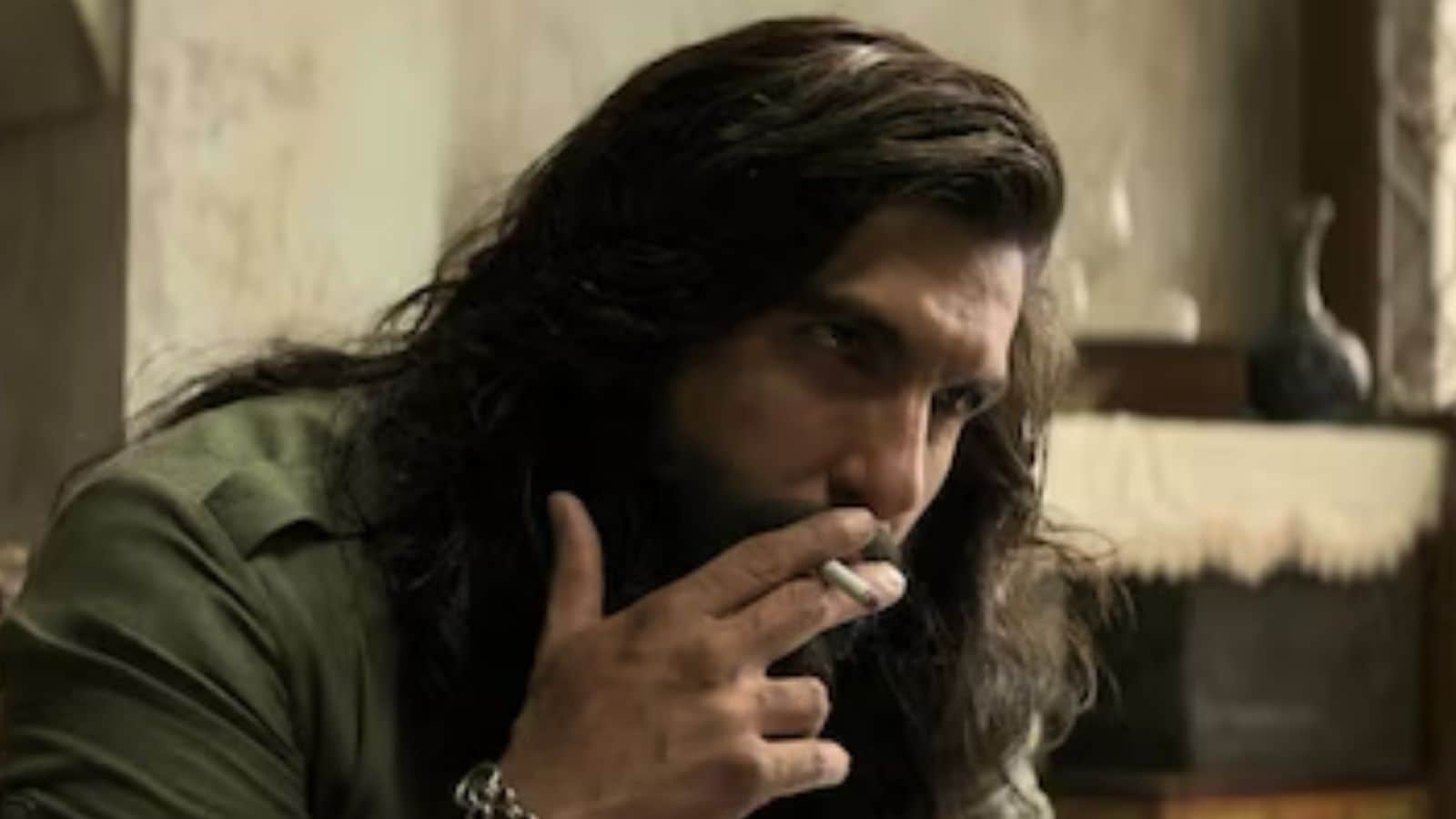
The buzz around Dhurandhar 2 and its spy character Hamza Ali has got many curious about the real men behind such stories. One name that stands out is Rameshwar Nath Kao, the founding chief of R&AW, whose intelligence inputs played a key role during the 1971 Bangladesh Liberation War and shaped India’s strategic decisions at the time.
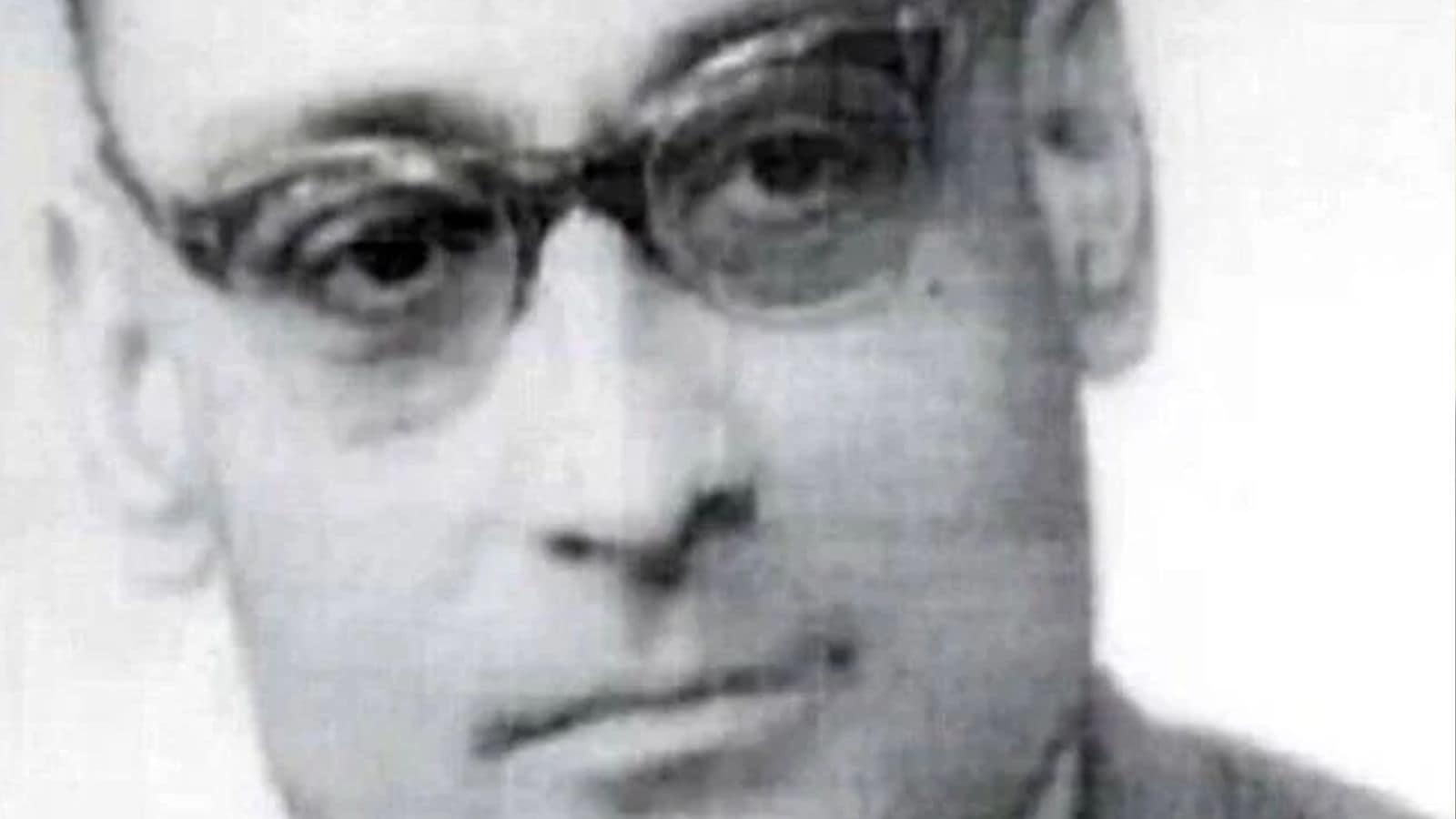
Born on May 10, 1918, in Varanasi, Kao began his career with the Intelligence Bureau in 1940 and became assistant director by 1948. After gaps exposed in the 1962 and 1965 wars, Indira Gandhi set up R&AW in 1968, and Kao was put in charge. There, he formed a small but highly trusted team of about 250 officers.
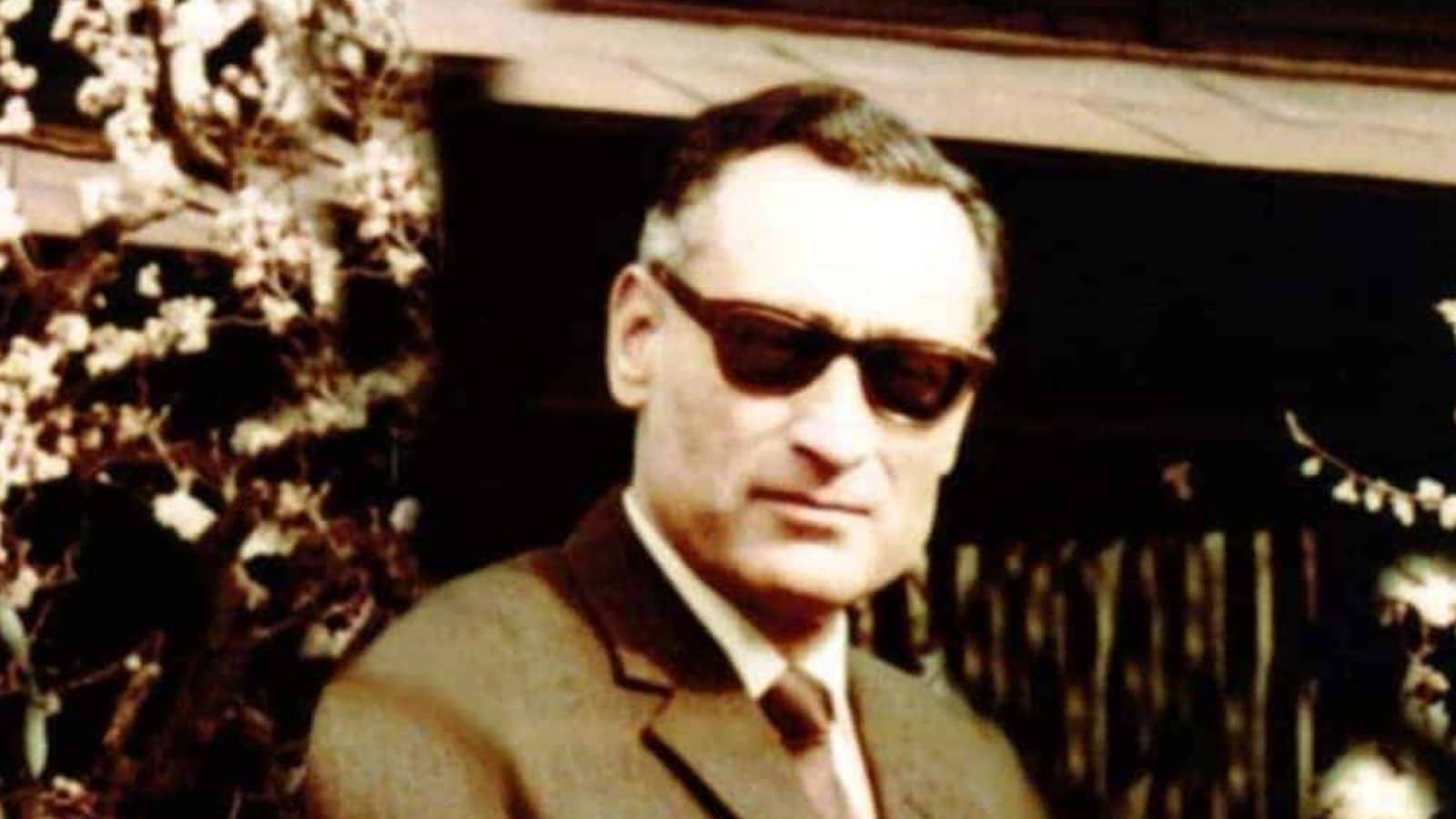
In the lead-up to 1971, Kao had already indicated that tensions in East Pakistan would spiral into a military crackdown. Under his leadership, R&AW trained nearly one lakh Mukti Vahini fighters and created a strong intelligence network on the ground. At the time, he helped India stay prepared as the situation moved toward a full-scale war.
There are also records of how precise his intelligence could be. The accuracy became notable in one case where a date mismatch for an attack caused confusion. Despite the delay, he stood by the input and advised waiting one more day. The predicted military action followed exactly then and strengthened confidence in R&AW’s field intelligence.
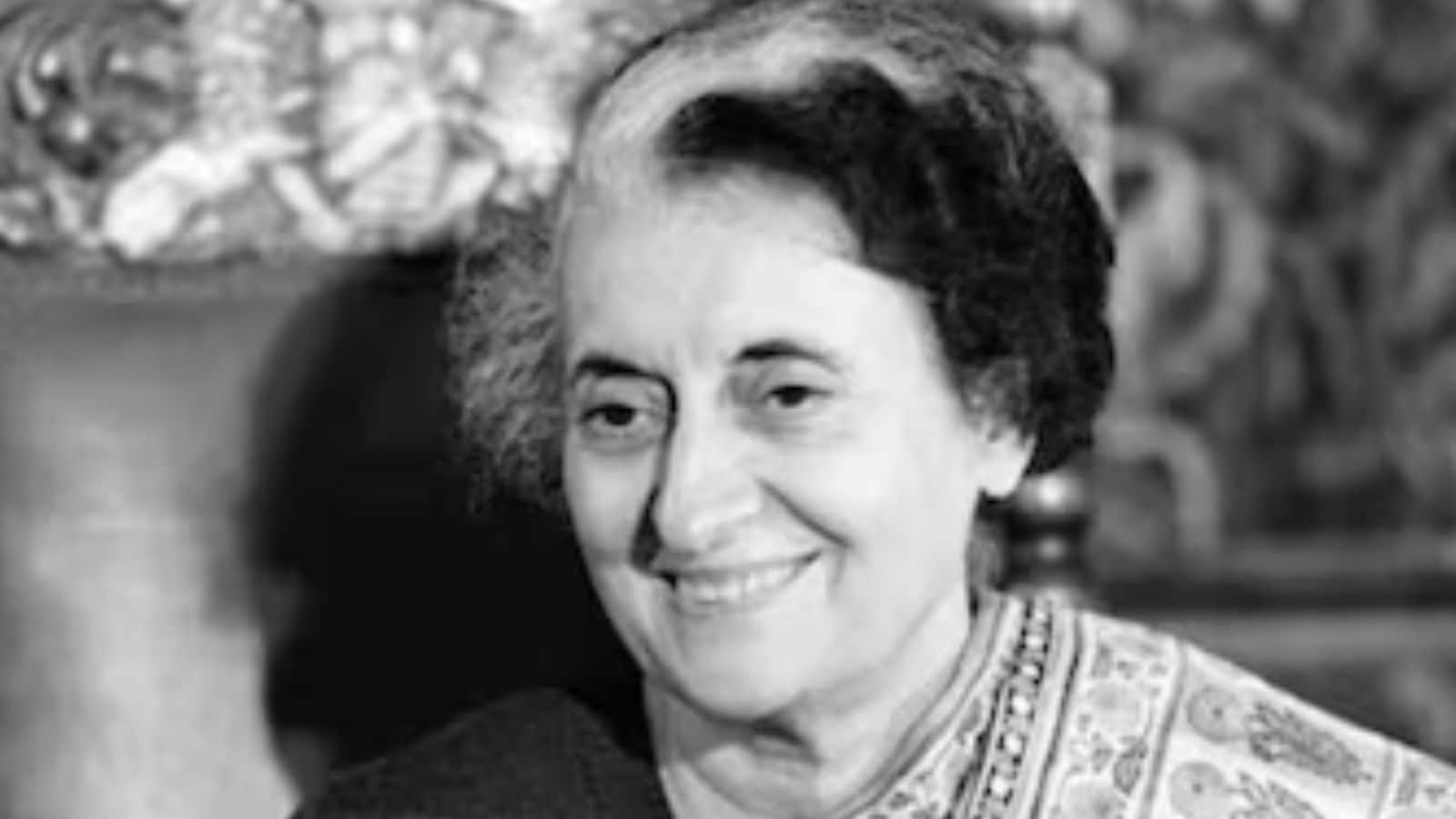
Besides the 1971 war, Kao also quietly handled the Sikkim operation, one of India’s most sensitive strategic moves. Planned with just a few top officials, including Indira Gandhi and PN Haksar, the operation led to Sikkim’s merger with India without bloodshed, even as Chinese forces were present near the border.
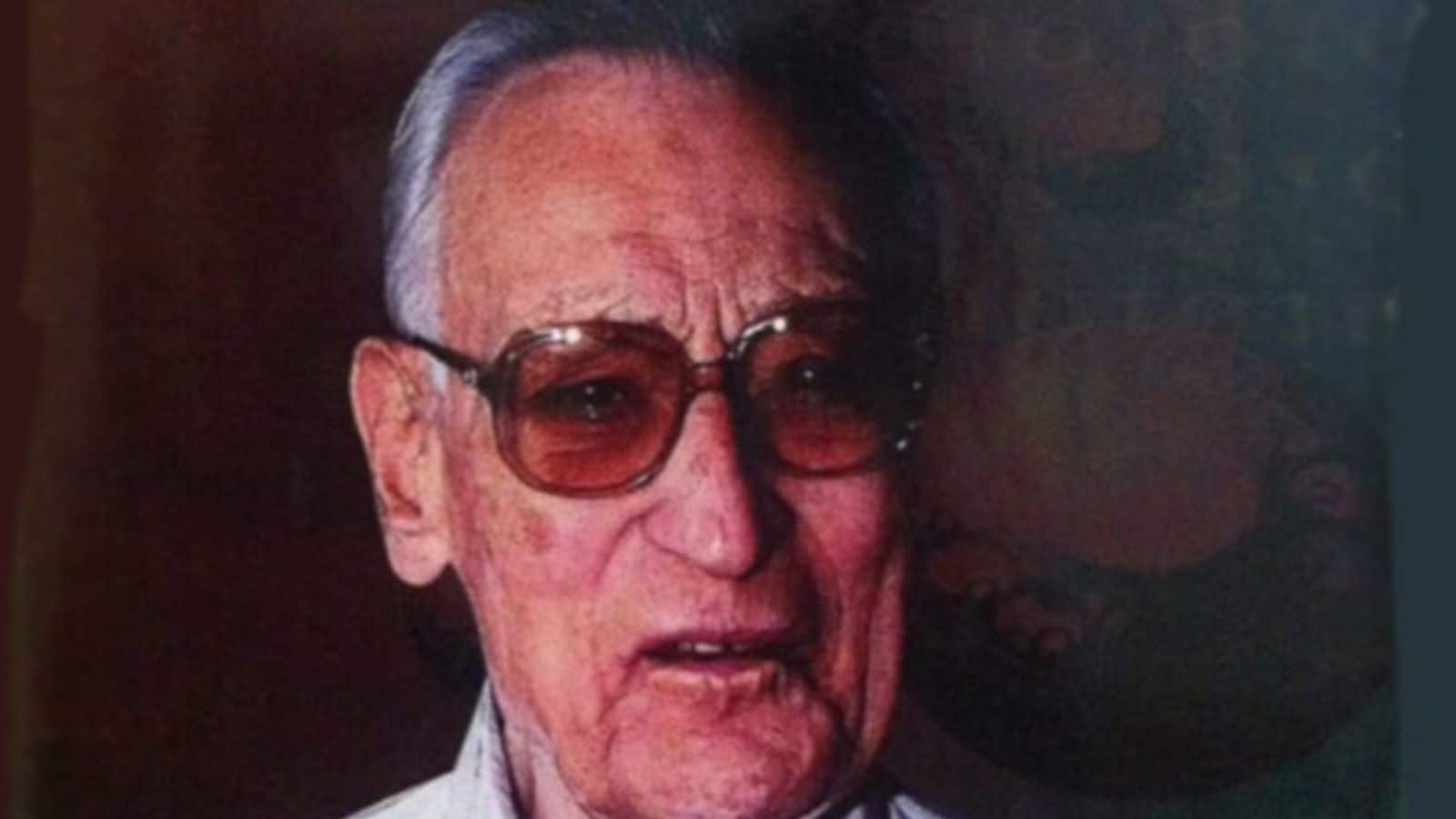
His strength was not just local intelligence but global networking. According to KN Daruwalla, the former Chairman of India's Joint Intelligence Committee, Kao maintained strong links with agencies like the CIA and KGB and built contacts across Iran, Afghanistan and China. This allowed India to access crucial intelligence during a time when global alliances were constantly shifting.
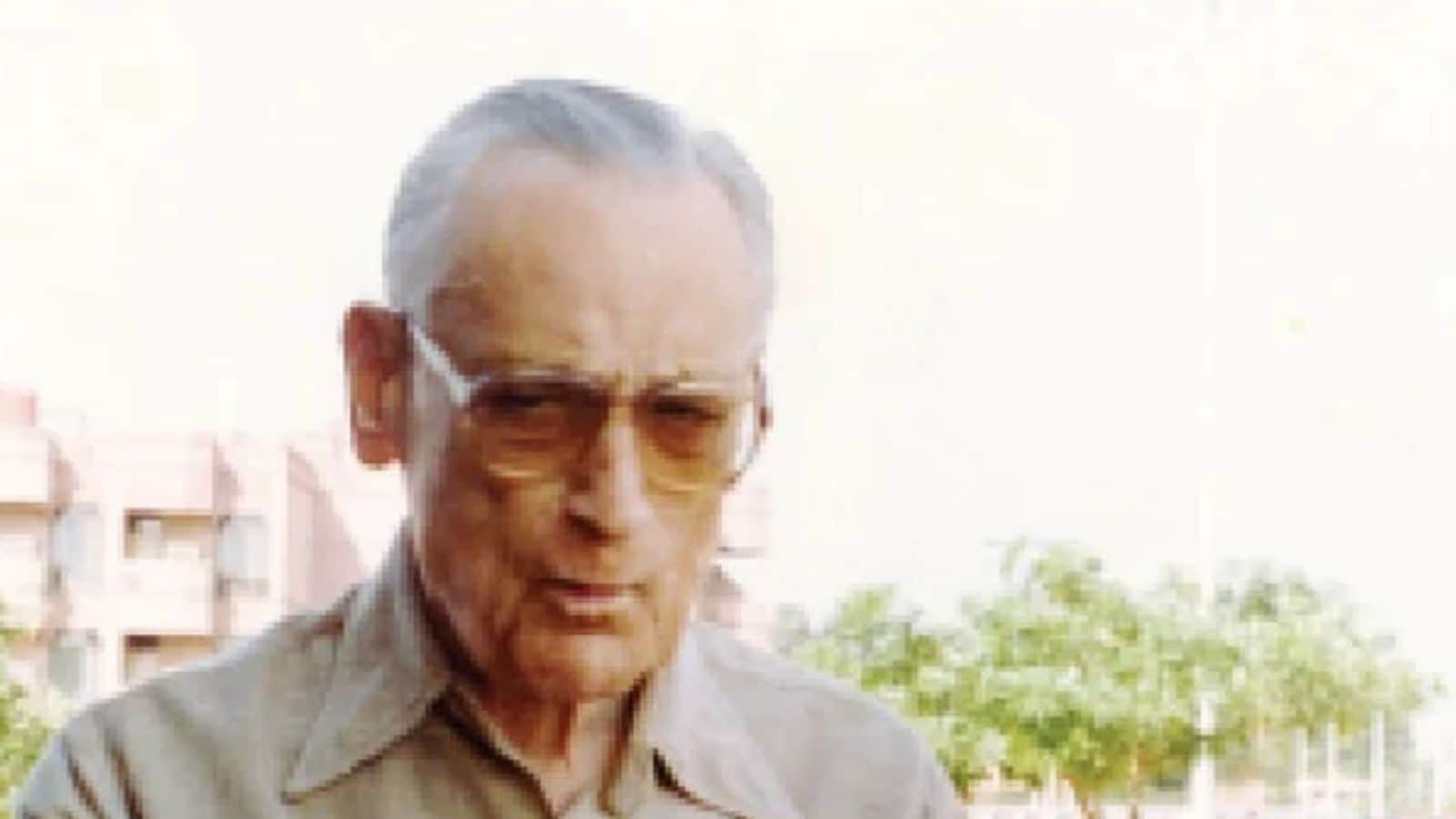
Former R&AW director Jyoti Sinha often spoke about Kao’s calm nature. He recalled how Kao would explain strategy with a simple line, “Dekho jab tumko koi oppose karta hai, zeher deke usko kyu marna hai? Kyun na khoob shehed deke mara jaye?” Kao also planned to work with Western countries to strategically gather information. The CIA of the United States also assisted RAW and had trained India’s Special Frontier Force (SFF).
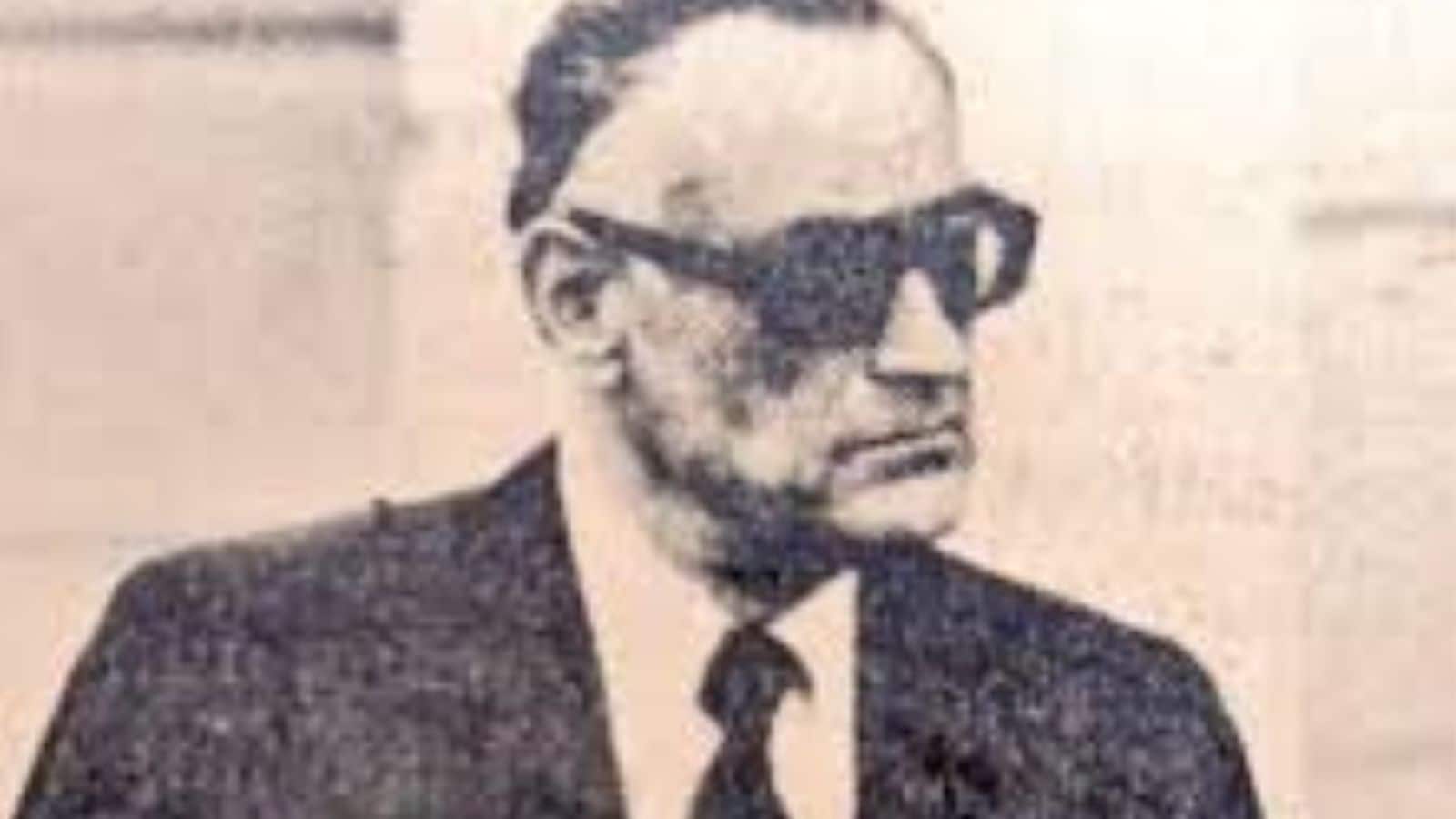
Interestingly, RN Kao was also closely involved in Indira Gandhi’s security during foreign visits. He would point out that the most vulnerable moment for any leader is while getting in or out of a car, and insisted on being physically ready at those exact moments. This attention to detail proved how focused and determined he was for national security.
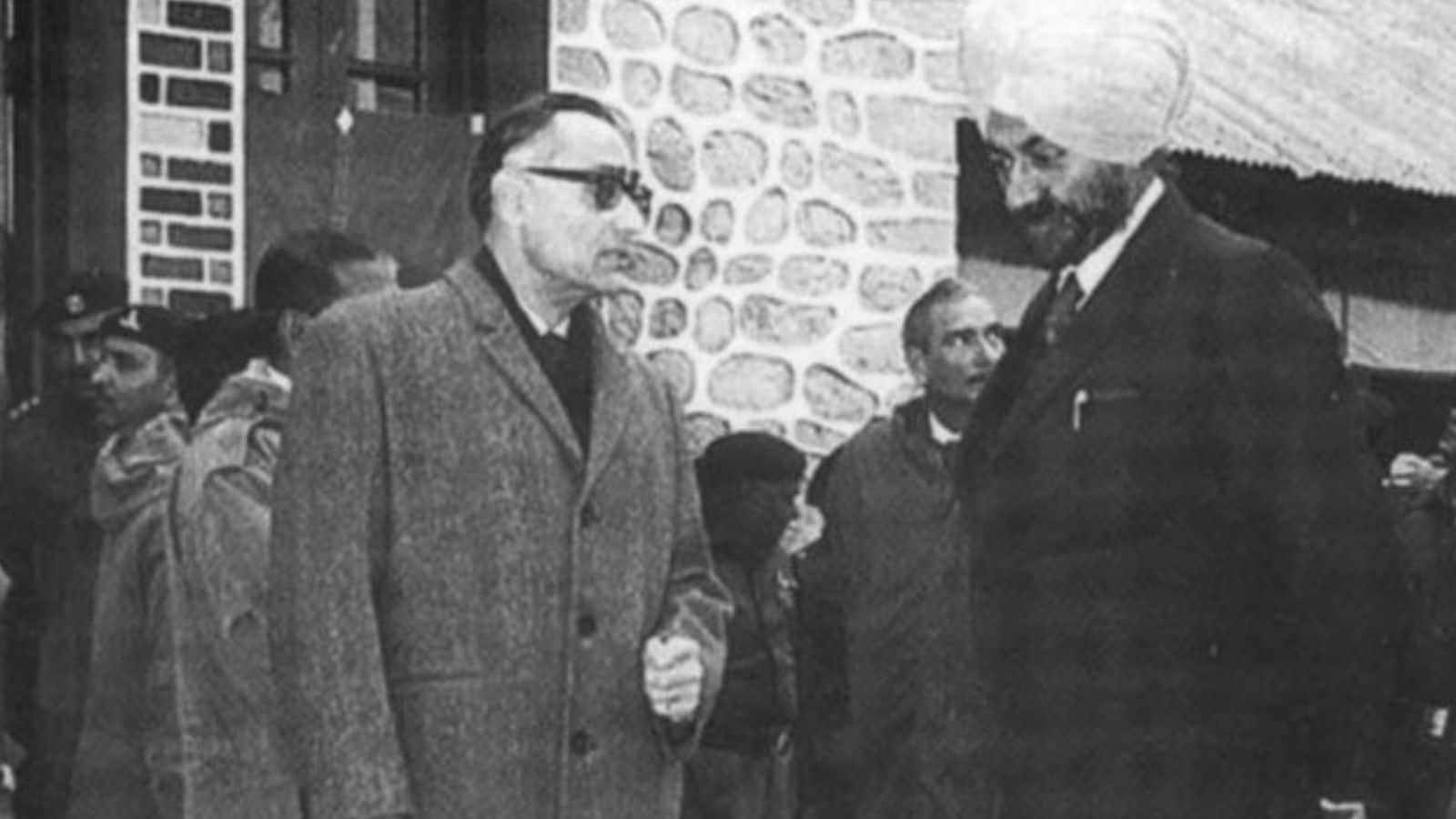
Despite being counted among the world’s top intelligence figures of the 1970s, Kao stayed away from the spotlight. He rarely spoke about his work, continued advising even after retirement and built a system that still influences how India approaches intelligence and national security today.
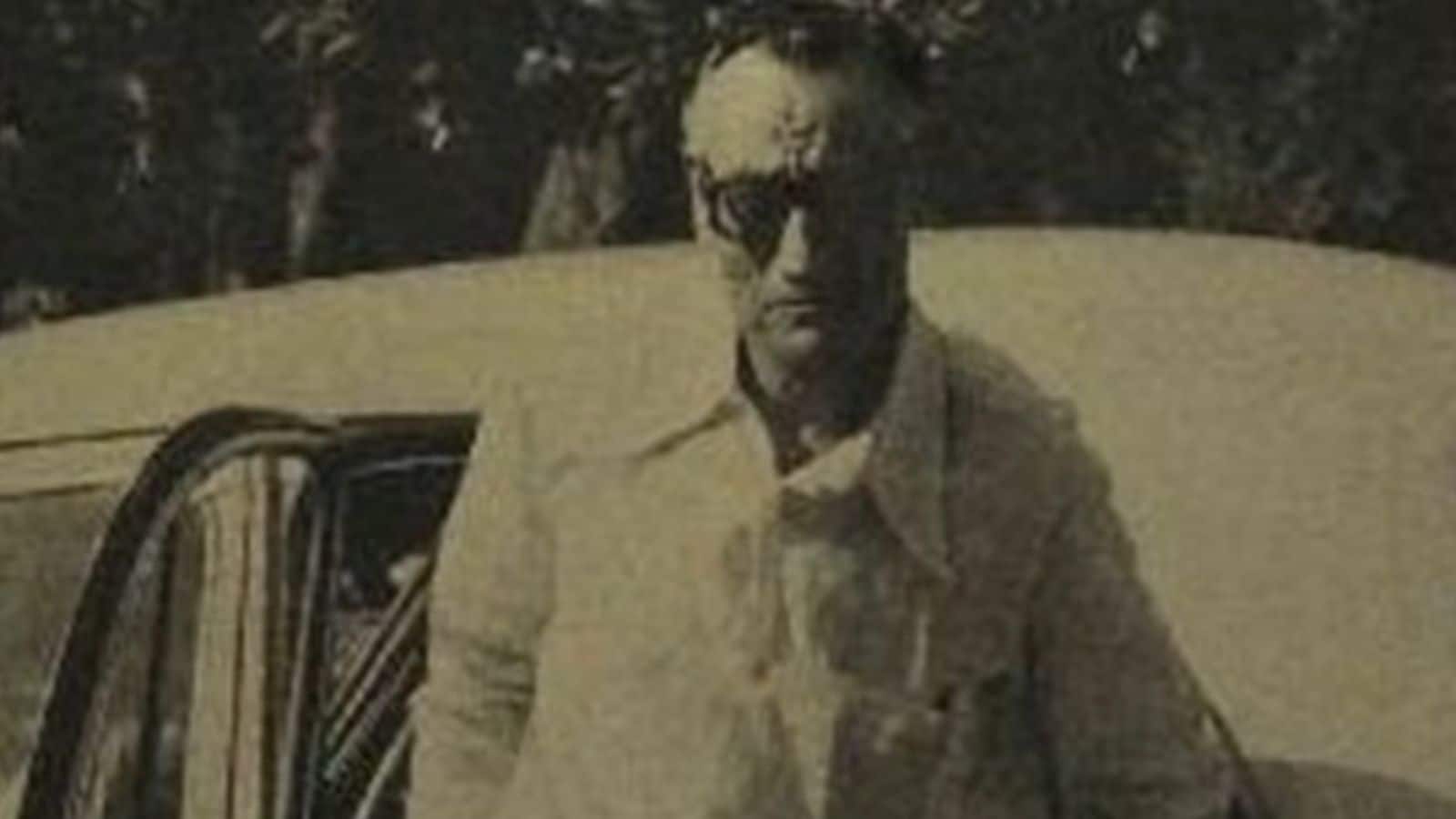
A post on X perfectly described Rameshwar Nath Kao. It referred to him as “a Bharat Ratna in the true sense,” even though he was never officially given the award. RN Kao is not just the man who built the Research and Analysis Wing, but also played a key role during the 1971 war and other national security issues at the time.
News Photogallery viral Dhurandhar 2: Hamza Ali Sparks Spy Buzz — Meet R&AW Pioneer Who Once Quipped: ‘...Kyun Na Khoob Shehed Deke Maarein?’





 English (US) ·