

 1 hour ago
2
1 hour ago
2
ARTICLE AD BOX
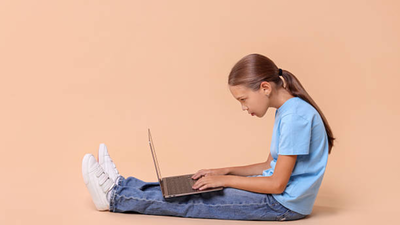
Kids are slouching more than ever. Walk into any classroom, and it’s hard to miss it: kids hunched over desks, shoulders rounded, heads poking forward. Poor posture in children is becoming way too common, and it’s not just about looking slouchy, it can lead to back pain, neck strain, and even affect breathing or concentration over time.So why is this happening? “More children today are developing poor posture, neck strain, and back pain, issues that were once considered common mainly in adults. Changing lifestyles, especially after the pandemic years, are placing increasing stress on children’s growing spines,” Dr. Babita Jain, Principal Director & HOD, Paediatrics, Max Hospital Gurugram told TOI Health. The doctor says screen time is the main culprit behind the rise of this unhealthy trend.
All about Scoliosis, the spine deformity in growing kids
And the effects show early. Some kids complain of back or shoulder pain, others just look constantly tired or fidgety. Beyond physical discomfort, posture affects confidence too. A slouched posture can make kids appear less energetic or hesitant in social settings, and over time, that body language can influence how they feel about themselves.“More children today are developing poor posture, neck strain, and back pain, issues that were once considered common mainly in adults.
Changing lifestyles, especially after the pandemic years, are placing increasing stress on children’s growing spines,” Dr. Babita Jain, Principal Director & HOD, Paediatrics, Max Hospital Gurugram told TOI Health. The doctor says screen time is the main culprit behind the rise of this unhealthy trend.One of the biggest contributors is excessive screen time. Online learning, due to use of smartphones, tablets, gaming consoles, and laptops, means children are sitting for long hours, often slouched on beds or sofas without proper back support.
Over time, this can lead to rounded shoulders, forward head posture (“text neck”), muscle strain, and persistent discomfort.These days, kids aren’t playing outside as much, and physical activity has really taken a hit. But running, climbing, and just moving around actually help build the core and back muscles that keep their spines strong. Without that strength, even simple daily activities can leave them tired, hunched over, or dealing with aches.
And don’t even get me started on heavy school bags. Slinging one shoulder with an overloaded bag? That’s basically asking for trouble—aches, slouching, and long-term posture problems.
Early warning signs should not be ignored
“Frequent complaints of neck or lower back pain, visible slouching, uneven shoulders, or difficulty sitting comfortably for short periods may indicate developing postural problems. If left unaddressed, these habits can contribute to chronic pain and, in some cases, spinal alignment issues later in life,” warns Dr.
Babita Jain.The fix isn’t drastic. Encourage kids to move, stretch, and be conscious of how they sit. Invest in chairs and desks that actually support their size. And yes, limit screen time when possible—or at least make sure they hold devices up instead of leaning in. Small habits now can prevent bigger issues later, and help kids stand tall, literally and figuratively.
Prevention tips
“The good news is that prevention is simple and highly effective.
Encourage children to stay physically active every day, include stretching or yoga for flexibility and core strength, and set healthy limits on screen time. Teach correct sitting posture, back straight, feet flat on the floor, and screens positioned at eye level. School bags should ideally weigh no more than 10–15% of the child’s body weight,” says the doctor.“Small daily habits can protect lifelong spinal health. Early awareness, timely correction, and supportive parenting can make a lasting difference in keeping children strong, active, and pain-free,” she urges.Medical experts consulted This article includes expert inputs shared with TOI Health by: Dr. Babita Jain, Principal Director & HOD, Paediatrics, Max Hospital GurugramInputs were used to explain why parents should pay attention to proper posture in kids and how ignoring it can affect their spinal health.









 English (US) ·