

 1 hour ago
3
1 hour ago
3
ARTICLE AD BOX

New research highlights how simple toy choices profoundly impact child development. Playing with dolls, unlike screen time, significantly boosts social processing and emotional understanding by activating brain regions crucial for empathy. This practice helps children navigate real-life interactions, fostering kindness and resilience, even benefiting neurodivergent children.
A child sitting with a tablet may look calm, even “well-behaved.” But what is happening inside the brain tells a very different story. A growing body of research now suggests that simple toy choices, like dolls over screens, can shape how children understand emotions, build relationships, and respond to the world around them.A recent study titled “Doll Play Improves Social Processing: Evidence from a Randomized-Control Trial” by Dr Sarah Gerson adds strong evidence to this conversation. It shows that play is not just a way to pass time. It is how children learn to be human.
When play becomes practice for real life
Children do not just “play” with dolls. They create stories, assign emotions, and imagine situations. One doll may feel sad. Another may try to help. In that moment, a child is not just entertaining themselves, they are rehearsing life.The study observed children aged 4 to 8 over several weeks. Those who played with dolls showed stronger development in “theory of mind.” This is the ability to understand that others have thoughts, feelings, and beliefs different from one’s own.This skill forms the base of empathy. Without it, social relationships remain shallow. With it, children learn kindness, patience, and emotional awareness.
What happens in the brain during doll play
Researchers at Cardiff University went a step further.
They used brain imaging to see what changes during play.They found that when children played with dolls, a specific brain area linked to social understanding became more active. This region, called the posterior superior temporal sulcus, plays a key role in processing emotions and social cues.This activity was much lower during solo tablet play.This means that even when a child is playing alone with dolls, the brain behaves as if it is engaging socially.
The child is thinking about others, imagining reactions, and building emotional responses.
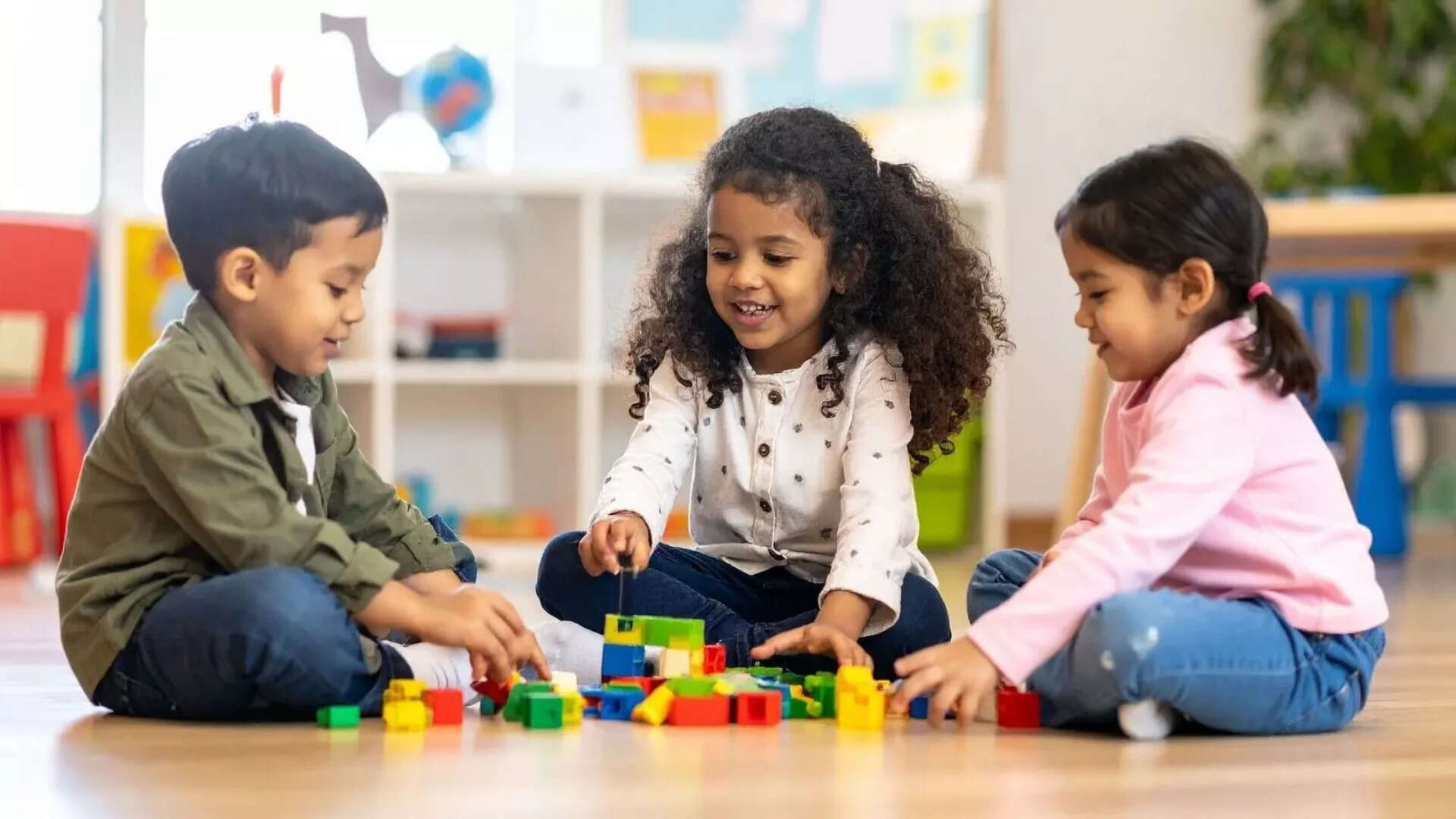
Screen time: quiet, but isolating
Tablets and phones often keep children occupied, but they rarely ask children to think about others. Most screen-based activities are designed for quick responses, not deep thinking.The same study found that children using tablets were more likely to play alone. In contrast, those with dolls often involved parents, siblings, or even created imaginary companions.This difference matters. Social skills grow through interaction, not isolation.Even more telling, improvements in emotional understanding were stronger in children who played with dolls, especially those who already struggled with peer relationships.
Why this matters for every child, including neurodivergent kids
One of the most meaningful findings is that doll play benefits all children, including those with autistic traits.The research showed that children with different developmental profiles used doll play in their own ways.
Some expressed emotions through storytelling. Others used dolls to communicate indirectly with people around them.But in both cases, the brain activity pointed to the same thing: thinking about others.As Dr Gerson explained, doll play can act as a safe space where children practice social situations without pressure. It allows them to explore emotions at their own pace.
A small choice that shapes big outcomes
Parents often focus on educational apps or digital learning tools.
But this research suggests something simple: not all learning looks like learning.A doll does not teach through instructions. It teaches through imagination.When a child picks up a doll, they become the storyteller, the problem-solver, and the emotional guide. They learn how to comfort, negotiate, and understand.And these are the skills that shape friendships, confidence, and emotional resilience later in life.Disclaimer: This article is for informational purposes only and is based on available research findings. It does not replace professional medical or psychological advice. Parents should consider individual needs and consult experts if they have concerns about their child’s development.









 English (US) ·