

 1 hour ago
2
1 hour ago
2
ARTICLE AD BOX
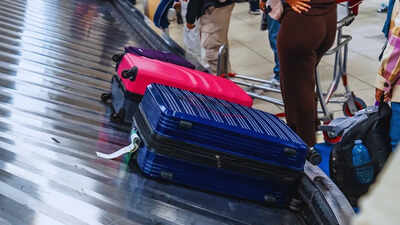
The purpose of airline baggage tags is to assist airlines and airports in monitoring passengers' luggage from departure to destination. However, after completing their trips, these tags could inadvertently reveal passengers' personal information and information about their travel activities.Although baggage tags rarely show travellers' sensitive information such as their passports or entire payment methods, cybersecurity and travel security specialists advise discarding these tags after every trip to avoid any unnecessary invasion of privacy.
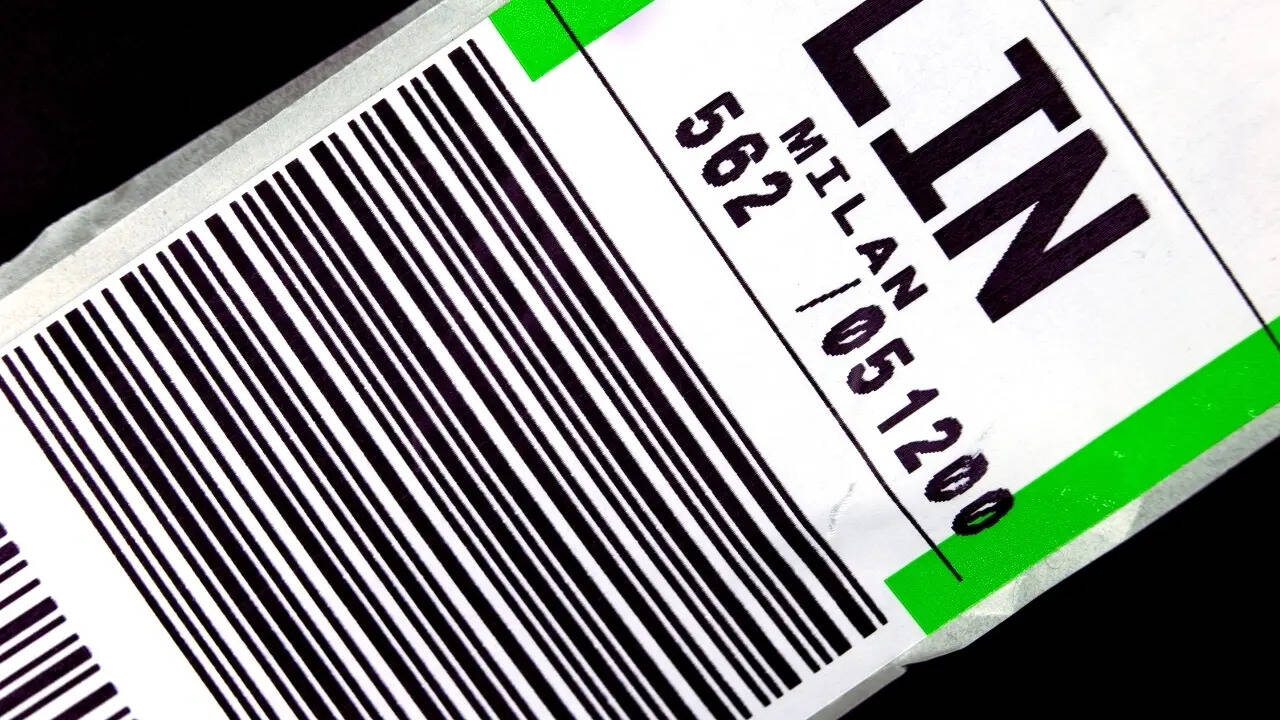
Airline baggage tag
What information is usually found on airline baggage tags?
Modern baggage tags typically contain:
- Passenger name or part of the name
- Booking reference or record locator
- Flight number
- Departure and arrival airports
- Frequent flyer number (sometimes partially visible)Barcode or QR code linked to baggage tracking systems
The exact number of visible information depends on the particular airlines and airport systems involved. Some airlines provide very little public information, while others might provide more passenger-related information straight on the label.
Why old baggage labels pose a risk of privacy breach
They can show travel history
Past tickets can indicate where the person was travelling to recently. This includes domestic airports and any international locations that were visited. If several labels are attached to the same piece of luggage, a pattern of destinations may inadvertently get revealed, especially for frequent travellers.
Booking codes can cause security issues
Several baggage labels include booking codes, which are referred to as PNR or record locator codes. These codes, when used along with the surname of the passenger, allow accessing flight booking details via airline websites under the “Manage Booking” tab.
Depending on the airline system, this may allow someone to view:
- Future flight details
- Contact information
- Seat assignments
- Partial frequent flyer information
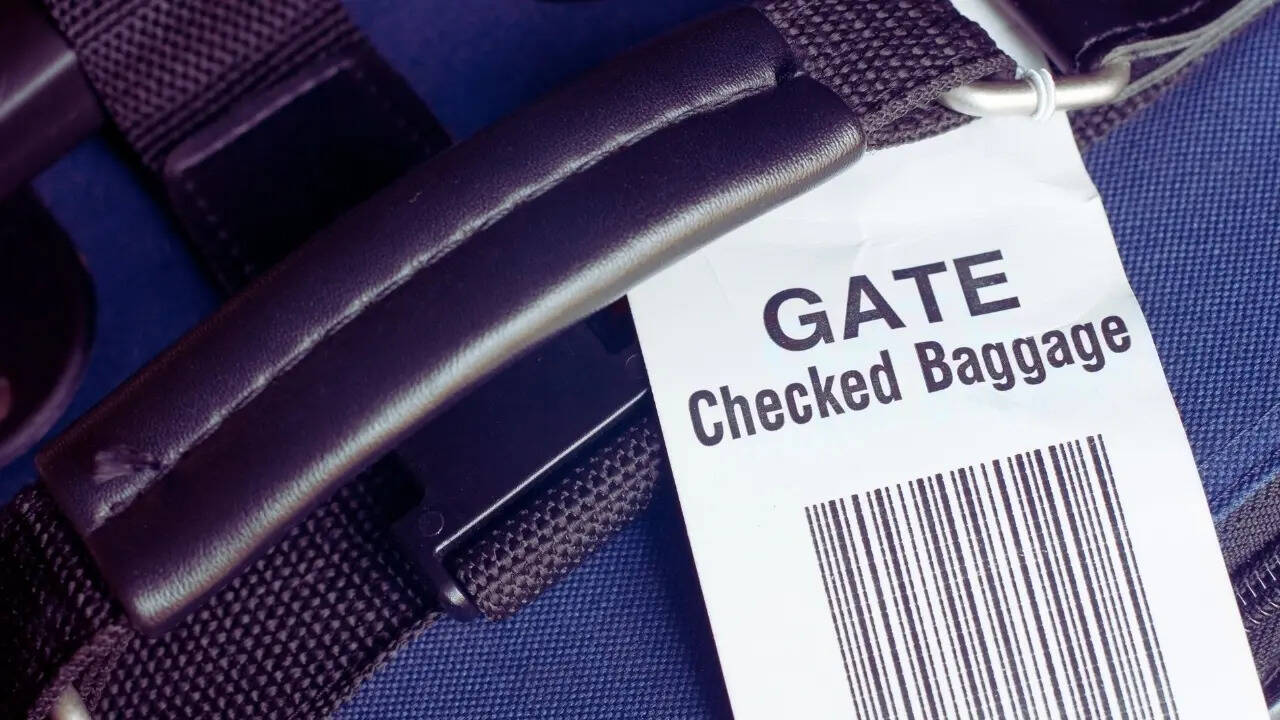
Checked in baggage
Frequent flyer information can be exposed
It is common for some airlines to include either complete or partial frequent flyer numbers on the passenger's baggage tag. Although this will not necessarily provide unauthorised access to the frequent flyer account, such exposure of data could prove handy in phishing attacks. Frequent flyer accounts have been increasingly targeted by hackers due to their value.
Barcode and QR code scanning
Baggage tags come with machine readable barcodes which help to route the luggage at the airports.
However, barcodes and QR codes are not intended for use by general people, but some security experts have been able to prove that the barcodes issued by airlines carry enough information so that they may be decoded with readily available methods. However, this is true in case of some airlines only; the extent of available information differs from one airline to another.
Many times, the barcode does not disclose any sensitive passenger information except an internal tracking code.
However, it is suggested not to leave too much information exposed.
Outdated tags may create difficulties in future
Apart from privacy risks, out-of-date tags may also cause operational difficulties. Barcodes play a very important part in the system of routing baggage through airports. Sometimes, it becomes difficult for the scanner operators to figure out which barcode belongs to the baggage and which doesn’t. Even if the modern system gives preference to the active tag, it is recommended by airlines to remove all old tags from bags.
What travellers should do
Travel-security experts generally recommend a few simple precautions:
- Remove old baggage tags and barcode stickers after every trip
- Destroy or shred discarded boarding passes and tags
- Avoid posting photos online that clearly show barcodes or booking references
- Use luggage tags with covered personal information
- Avoid displaying full home addresses on bags
For travellers who keep baggage tags as souvenirs, storing them separately rather than leaving them attached to luggage is considered the safer option.









 English (US) ·