

ARTICLE AD BOX
Surat: There is some good news for the country’s largest man-made fabric (MMF) sector in Surat and south Gujarat. Following the ongoing war between Israel-Iran-US, the Central Government is preparing to slash duties on the import of raw material required for the textile industry and even stall the anti-dumping duty proposals.
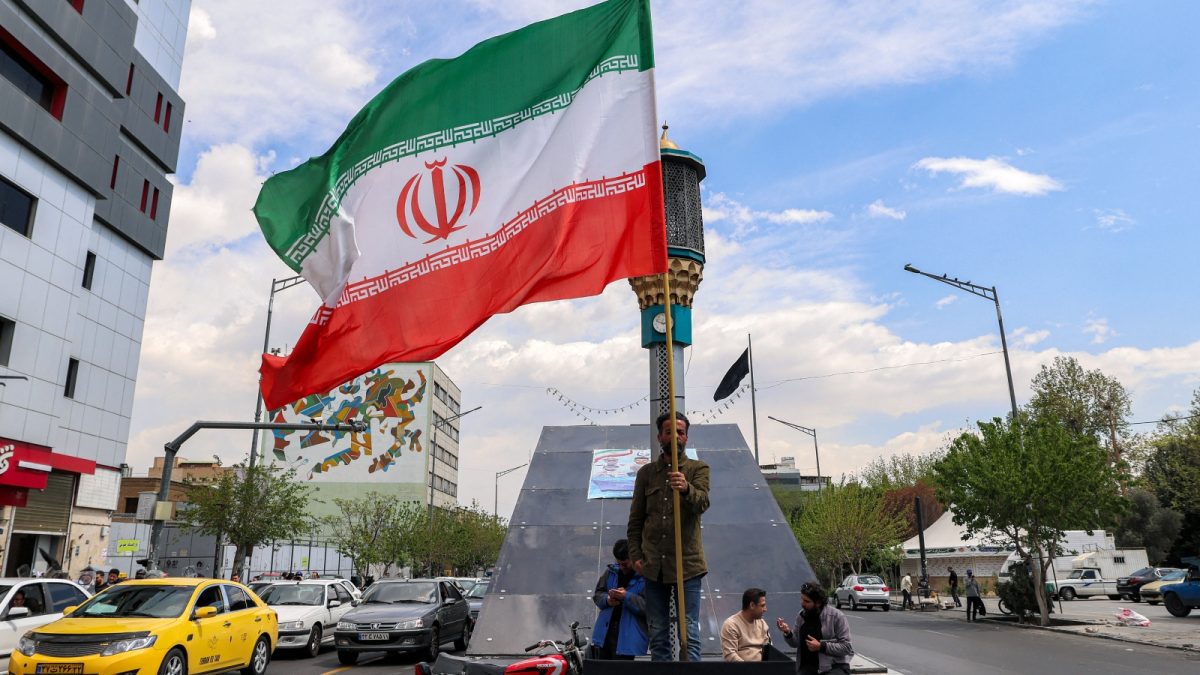
The war between Iran and America, which has been going on for the last one and a half months, has hit textile clusters across the country, including Surat, the worst. Surat produces the highest daily volume of 60 million meters of cloth in the country. The war has led to a huge increase in the prices of yarn and raw materials required for the production of yarn, and as a result, fabric manufacturing in Surat has decreased by 50 percent. The decline in production is also likely to have a direct impact on India’s textile exports.
A textiles ministry official said the ministry is also discussing postponing the anti-dumping duty investigation on elastomeric fibre yarn and viscose rayon filament yarn to remove bottlenecks in the supply of basic raw materials required for textile production. Surat’s textile industry is based on man-made fibres. The government is moving towards cutting the customs duty currently levied on cotton, rayon pulp, wood pulp etc. as well as other duties. The textiles ministry is pushing for a second round of customs duty cuts on many inputs related to man-made fibres to reduce the impact of the war.
The Textile Ministry is independently considering customs duty on a number of inputs including cotton, rayon pulp, wood pulp and yarn. Duty has already been reduced on many input items. On cotton, keeping in mind its sensitivity, discussions are also underway with the Agriculture Ministry. We will have to take a coordinated approach on it, a government official said.
The ministry is also going to write to India’s Ministry of Petroleum and Natural Gas, requesting that this sector be considered as a priority sector in case of gas shortage. The biggest impact of the war has been on the price and availability of poly-ethylene terephthalate. The Apparel Export Promotion Council, in a letter to the Ministry of Commerce and Industry, said that about 11% of India’s garment exports go to war-torn areas. Of India’s total annual readymade garment exports of $15.97 billion, $1.8 billion goes to war-torn countries like the UAE, Saudi Arabia and Israel.
According to apparel exporters, the $12,000 emergency conflict surcharge for container shipments has increased the price of items like two-piece suits, raincoats, shirts and trousers by Rs. 430. Due to the war, apparel consumption may decrease, and brand trust may be hit.





 English (US) ·