

 1 day ago
8
1 day ago
8
ARTICLE AD BOX
Last Updated:April 28, 2026, 09:42 IST
According to an intelligence note, Iran has signalled a willingness to reopen the strait fully — but only in exchange for the US easing its naval blockade.


Ships and boats in the Strait of Hormuz off the coast of Musandam, Oman, April 20, 2026. (Image: Reuters)
A recent intelligence note has shed light on Iran’s evolving strategy around the Strait of Hormuz, suggesting a calibrated mix of diplomacy and pressure as tensions with the United States persist.
According to the note accessed by CNN-News18, at the centre of this effort is Iranian Foreign Minister Abbas Araghchi, who has been on a multi-nation diplomatic tour, engaging with key regional and global players including Pakistan, Russia, and Oman. The outreach is aimed at reviving talks around maritime security in the Hormuz region, a critical artery for global oil shipments. According to the note, Tehran has signalled a willingness to reopen the strait fully — but only in exchange for the US easing its naval blockade.
This apparent flexibility, however, comes with clear caveats. Iranian officials are not offering a permanent concession but rather a tactical pause. The note highlights that Tehran views control over Hormuz as a strategic lever — effectively an “economic nuclear weapon" — that allows it to exert influence through selective access, potential toll mechanisms, and the implicit threat of disruption. Any long-term deal, therefore, is likely to see Iran pushing to retain some degree of control rather than surrender it to international coalitions or guarantees.
Internally, the strategy reflects a divide within Iran’s power structure. While the Foreign Ministry under Araghchi is pursuing diplomatic openings, harder-line elements, particularly within the Islamic Revolutionary Guard Corps (IRGC), remain wary of conceding too much. These factions have resisted a full reopening of the strait without concrete US concessions and have warned that Iran could reimpose restrictions if the blockade continues.
The outreach also appears designed to buy time. Iran is grappling with mounting economic pressure and international isolation, and limited openness — such as temporarily easing restrictions during ceasefires — allows it to test diplomatic waters without making irreversible commitments. By focusing negotiations on immediate conflict de-escalation — namely Hormuz access and the blockade — Tehran is also attempting to defer more contentious issues like its nuclear programme.
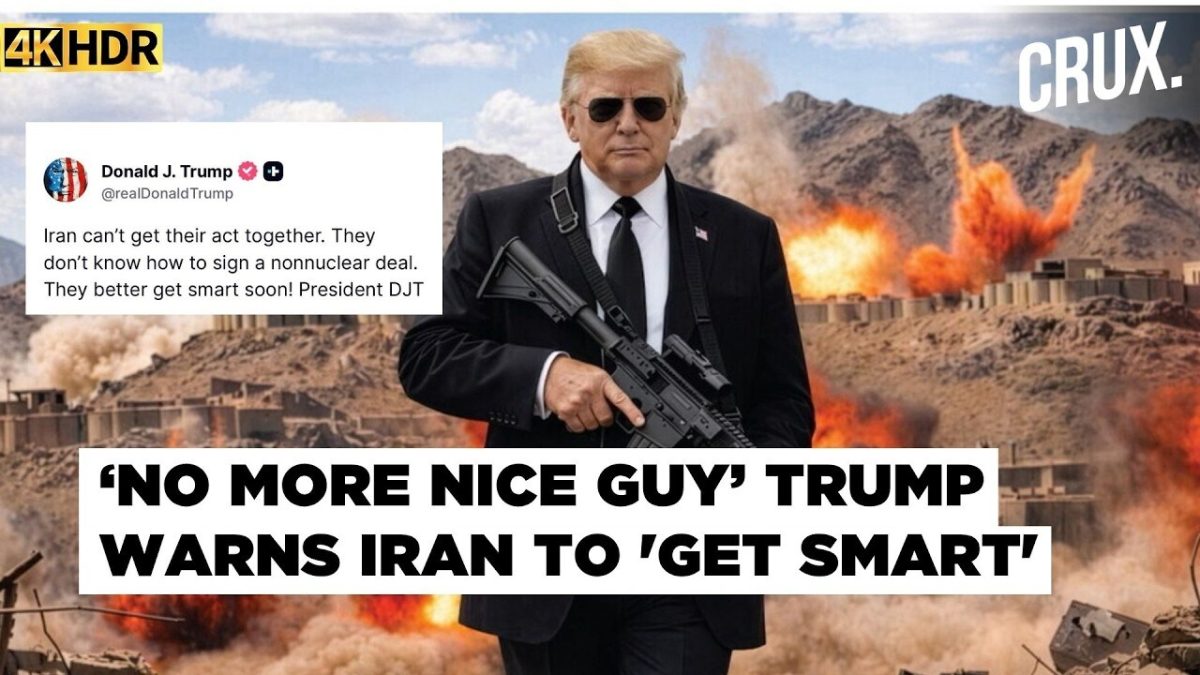
On the US side, President Donald Trump has reportedly reviewed the proposal but deemed it insufficient. His position underscores Washington’s demand for stronger guarantees, including assurances against future closures of the strait and firmer commitments on nuclear constraints.
Handpicked stories, in your inbox
A newsletter with the best of our journalism
First Published:
April 28, 2026, 09:42 IST
News world 'Economic Nuclear Weapon': Iran Uses Hormuz As Bargaining Chip In High-Stakes US Standoff
Disclaimer: Comments reflect users’ views, not News18’s. Please keep discussions respectful and constructive. Abusive, defamatory, or illegal comments will be removed. News18 may disable any comment at its discretion. By posting, you agree to our Terms of Use and Privacy Policy.
Read More





 English (US) ·