

 1 hour ago
4
1 hour ago
4
ARTICLE AD BOX
Last Updated:March 23, 2026, 14:51 IST
Prime Minister Narendra Modi underscored the government’s long-standing approach: insulating farmers from global volatility, no matter how severe the crisis.


PM Narendra Modi speaks in Parliament on the Iran war. (Image: Sansad TV)
As global supply chains wobble amid the US-Israel-Iran war, India is leaning on a quiet but powerful shield — indigenous urea production. Speaking in Parliament on Monday, Prime Minister Narendra Modi underscored the government’s long-standing approach: insulating farmers from global volatility, no matter how severe the crisis.
“We have never allowed world crises to impact farmers," PM Modi said. Recalling the pandemic years, he added, “Even during Covid crisis, world markets had a crisis. Urea prices were Rs 3,000 a quintal. In India, we kept the prices at Rs 300."
That policy stance is now being tested again as the US-Israel-Iran conflict disrupts energy and fertiliser trade routes, tightens shipping insurance, and drives up input costs worldwide. With large volumes of fertiliser raw materials and finished products moving through the strategically vital Strait of Hormuz, uncertainty in the region has rattled global markets. Many import-dependent nations are staring at supply shortages and soaring farm input bills.
India, however, is better prepared than in past crises — largely because of its Atmanirbhar Bharat push.
The Indigenous Urea Push: Made In India
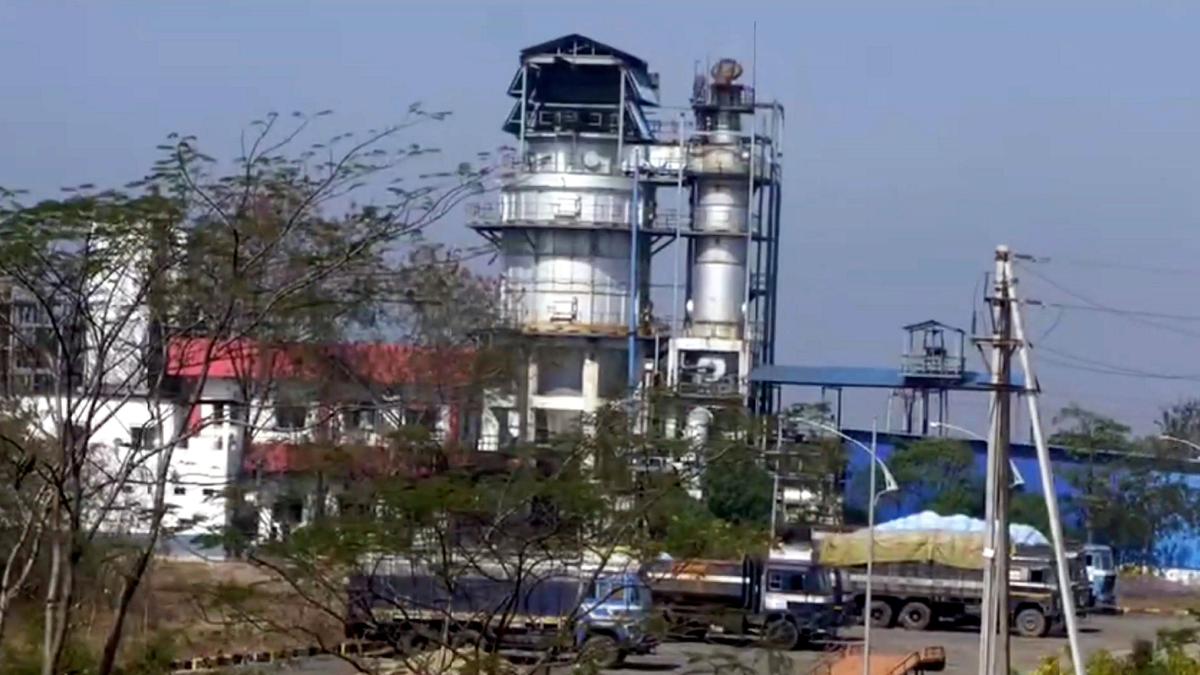
Over the past decade, India has steadily reduced its vulnerability by expanding fertiliser production within the country. “In the last decade, 6 urea plants were started leading to 76 lakh MT production capacity," PM Modi told Parliament.
These new and revived plants have significantly strengthened domestic supply, ensuring farmers are not left exposed to international price spikes or shipping disruptions. India is one of the world’s largest consumers of urea, a nitrogen-rich fertiliser critical for staples such as rice, wheat, sugarcane and maize. Any disruption in availability can directly affect sowing decisions, yields and ultimately food prices.
By expanding local output, the government has created a buffer that keeps supply flowing during peak agricultural seasons. It also reduces the need for emergency imports when global markets are tight — typically the costliest time to buy.
Beyond Urea: Strengthening The Fertiliser Basket
The government’s strategy has not been limited to urea alone. “Production of DAP and NPKS increased to 50 lakh MT. Also, imports of fertilizers diversified," the Prime Minister noted.
Diammonium phosphate (DAP) and complex fertilisers such as NPKS are essential for balanced soil nutrition. Expanding their domestic production helps farmers avoid over-dependence on a single nutrient and improves crop productivity. Diversifying import sources, meanwhile, reduces the risk of supply shocks from any one geography — a lesson reinforced by recent geopolitical tensions.
Price Stability: The Farmer-First Policy
One of India’s most distinctive interventions has been price protection through subsidies. While international fertiliser prices fluctuate with energy markets and geopolitical events, Indian farmers continue to access urea at highly controlled rates.
PM Modi’s comparison with the Covid period highlights the scale of intervention: when global prices surged nearly tenfold, domestic prices remained largely unchanged. This prevented a spike in cultivation costs and shielded rural incomes at a time of broader economic stress.
The same approach is now helping farmers navigate the present uncertainty. Stable prices allow growers to plan cropping patterns without fear of sudden cost escalations — a crucial factor ahead of sowing seasons.
Strategic Self-Reliance In A Volatile World
India’s fertiliser strategy reflects a broader shift toward self-reliance in critical sectors. Domestic capacity creation, diversified sourcing, and sustained subsidies together form a three-layered safety net for farmers.
As geopolitical tensions continue to roil commodity markets, indigenous urea is emerging as more than an industrial achievement — it is a food security safeguard. PM Modi’s message from Parliament was clear: global crises may be unavoidable, but their impact on Indian farmers does not have to be.
First Published:
March 23, 2026, 14:51 IST
News india ‘Even During Covid...’: How Atmanirbhar Bharat’s Urea Shield Is Protecting Farmers Amid Iran War
Disclaimer: Comments reflect users’ views, not News18’s. Please keep discussions respectful and constructive. Abusive, defamatory, or illegal comments will be removed. News18 may disable any comment at its discretion. By posting, you agree to our Terms of Use and Privacy Policy.
Read More





 English (US) ·