

 1 day ago
7
1 day ago
7
ARTICLE AD BOX
Last Updated:June 10, 2026, 16:50 IST
As millions of supporters descend upon host cities, the invisible ecological cost of the beautiful game is emerging as a critical talking point alongside the action on the pitch


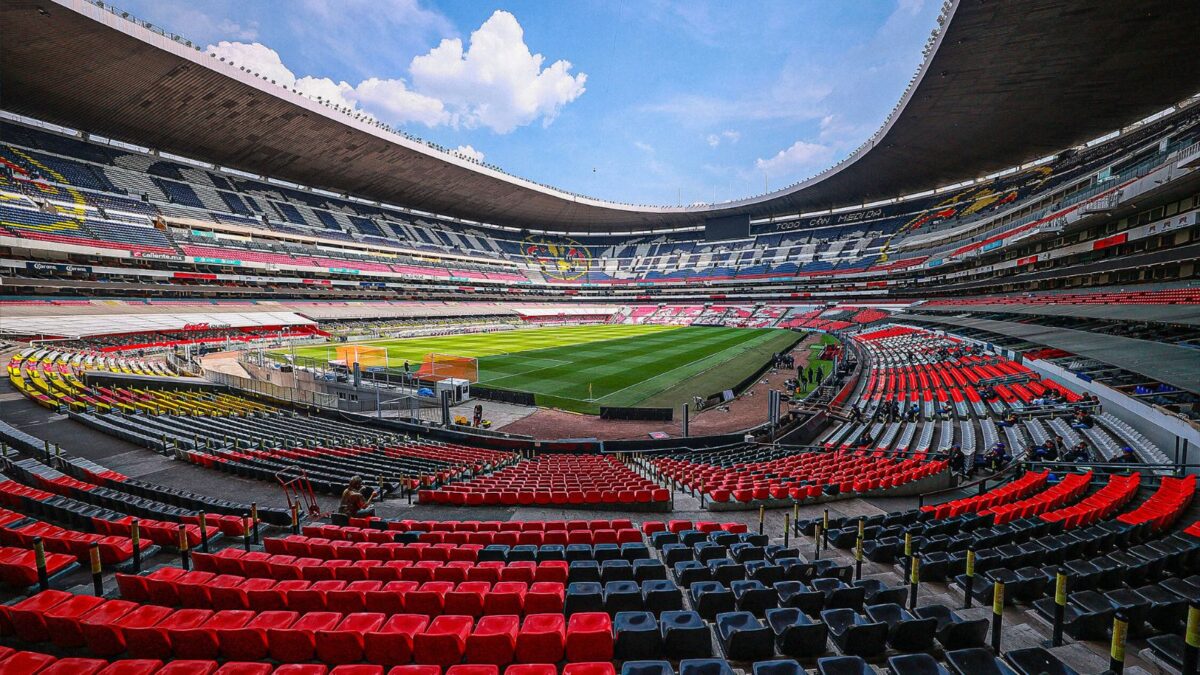
In response to growing public scrutiny, football's governing bodies have pointed towards comprehensive carbon-offsetting programmes and strict waste-reduction protocols at venues. (Representational pic: AP)
The 2026 FIFA World Cup officially kicks off on June 11, promising a month of unprecedented sporting drama, elite athletic performances, and vibrant global fandom. Yet behind the deafening stadium cheers and spectacular goals lies a sobering environmental reality that is turning heads within the scientific community. Industry analysts warn that the expanded tournament is on track to become the most carbon-intensive event in sporting history, generating a massive emissions footprint that directly contradicts global sustainability goals. As millions of supporters descend upon host cities, the hidden ecological cost of the beautiful game is emerging as a critical talking point alongside the action on the pitch.
The Massive Scale of an Expanded Tournament
The primary driver behind this historic spike in greenhouse gas emissions is the unprecedented scale of the 2026 iteration. For the first time, the tournament features an expanded roster of 48 teams, up from the traditional 32, resulting in a staggering 104 matches spread across three vast nations: Canada, Mexico, and the United States. This logistical layout fundamentally alters the tournament’s ecological dynamics. Unlike previous tournaments concentrated within compact geographical borders—such as Qatar in 2022—the 2026 event demands that teams, media personnel, and hundreds of thousands of international fans constantly traverse an entire continent, turning long-haul aviation into the tournament’s primary environmental burden.
Aviation and the Fan Travel Footprint
Environmental experts point out that spectator transport traditionally accounts for over eighty per cent of any major sporting event’s total carbon footprint. For the current tournament, that percentage is expected to climb even higher. The sheer distance between host venues—stretching from Vancouver to Miami and Mexico City—means that traditional, lower-emission transit options like rail are virtually impossible for fans following the knockout stages. The resulting reliance on short-haul and mid-range flights creates a continuous cycle of high-altitude emissions. Climate scientists calculate that the cumulative air miles logged by fans flying between host cities will release millions of tonnes of carbon dioxide into the atmosphere, completely eclipsing the operational emissions of the stadiums themselves.
Stadium Operations and Infrastructure Demands
While travel dominates the emissions ledger, the day-to-day operations of the 16 state-of-the-art venues introduce their own distinct climate challenges. Although organisers have heavily leveraged existing NFL and soccer stadiums rather than building entirely new arenas from scratch, the resource consumption required to run these hyper-modern facilities is immense. Maintaining pristine natural grass pitches in disparate climates requires energy-intensive irrigation, specialised lighting, and climate-control systems. Additionally, the digital infrastructure needed to broadcast matches to billions of viewers worldwide relies on massive, power-hungry data centres, further inflating the tournament’s indirect carbon accounting.
The Challenge of Meaningful Offsetting
In response to growing public scrutiny, football’s governing bodies have pointed towards comprehensive carbon-offsetting programmes and strict waste-reduction protocols at venues. However, independent climate auditors remain deeply sceptical of these measures, often characterising them as symbolic gestures rather than genuine systemic solutions. Critics argue that purchasing carbon credits in far-off forestry projects fails to neutralise the immediate, localised damage caused by thousands of daily flights. As the tournament progresses, the widening gap between corporate sustainability rhetoric and the hard data of atmospheric warming highlights an urgent dilemma: whether truly sustainable mega-events are possible in an increasingly climate-conscious world.
Handpicked stories, in your inbox
A newsletter with the best of our journalism
About the Author
Pathikrit Sen Gupta is a Senior Associate Editor with News18.com and likes to cut a long story short. He writes sporadically on Politics, Sports, Global Affairs, Space, Entertainment, And Food. He tra...Read More
News sports football Every Goal Has A Carbon Cost: The Hidden Climate Scoreline Of FIFA World Cup 2026
Disclaimer: Comments reflect users’ views, not News18’s. Please keep discussions respectful and constructive. Abusive, defamatory, or illegal comments will be removed. News18 may disable any comment at its discretion. By posting, you agree to our Terms of Use and Privacy Policy.
Read More








 English (US) ·