

ARTICLE AD BOX
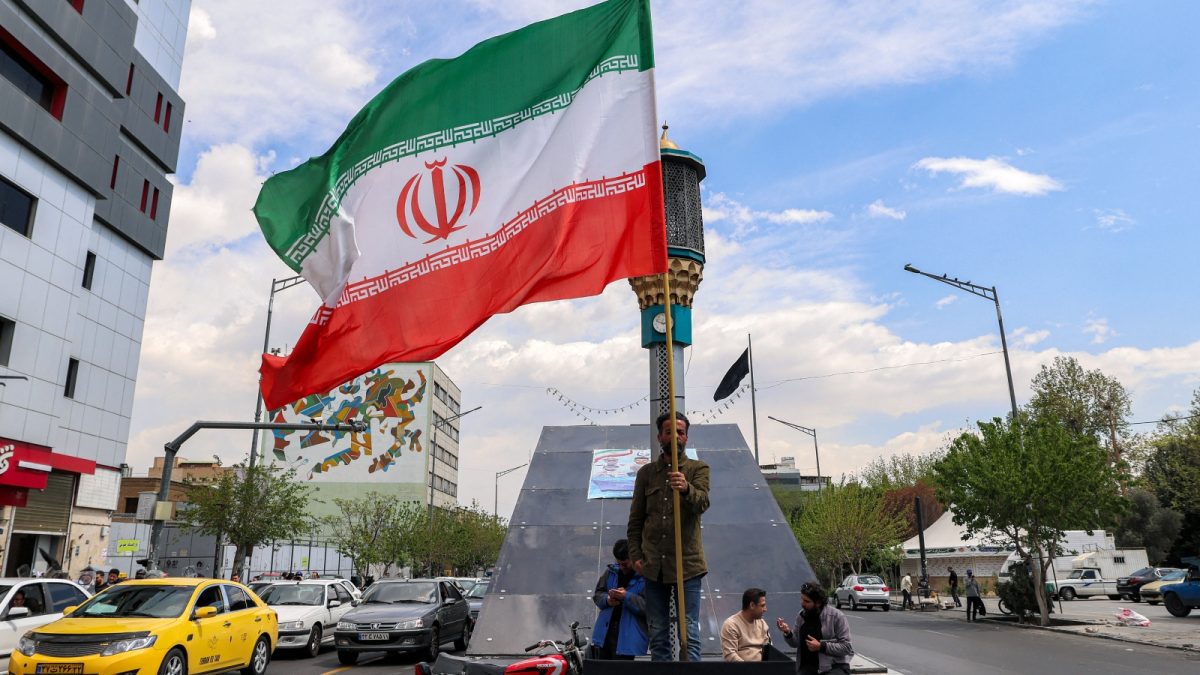
The US-Iran war in the Middle East has turned into a regional conflict, pulling in regional powers that had nothing to do with the rivalry between the two powers. The Middle East has always been a volatile region, with competing interests and rivalries that have kept the region on edge for years, with sporadic wars and aggressive posturing threatening economic development.
For the rest of the world, particularly the developing world, these challenges in the Middle East have been a death knell for their economies, as every country’s economic success is tied to world trade, and the Middle East remains central to a commodity the world hasn’t been able to wean itself from-oil.
Across the developing world- especially for high-growth countries in Asia, including India, Bangladesh, Vietnam, the Philippines, Sri Lanka, and others- have developed their economic growth around the assumption that their oil and gas supplies from the Middle East will keep coming as required. Now, with the disruptions in the Middle East, that assumption has threatened their economic growth and development, and alternatives to oil have been consistently ignored.
Oil: The abundant, easy-to-use energy source
Modern mobility technologies- automobiles, aviation, shipping, and allied activities- have traditionally been developed with abundant oil and gas reserves that are easy to procure, develop, and transport. For years, the focus has been on improving vehicle design to reduce carbon emissions, even though EV vehicles have been around for quite some time.
Over the years, the ease of maintaining vehicles has led to an explosion in demand for cars, buses, trucks, planes, and ships. Even though environmentally friendly Electric vehicles have gained popularity slowly, it hasn’t been enough to replace the demand for oil. To date, almost 90% of global transportation relies on oil.
That has meant an ever-increasing demand for oil, which has meant increased shipments from the primary exporters- the Gulf countries of Iran, Iraq, UAE, Kuwait, and Saudi Arabia- which account for the majority of global crude oil shipments.
Due to rising demand, Middle Eastern producers have been forced to expand output, pumping around 30.4 million barrels of oil per day, accounting for almost half of the oil supplied to the global markets.
Why oil remains central to economic growth, prosperity
Despite the growing impacts of global warming and the fact that oil remains a finite resource, most of the developing world hasn’t been able to wean itself off this energy source. Besides the ease of procuring and using them, alternatives haven’t been widely adopted because they require additional infrastructure investments that the developing world cannot readily commit to.
 Each barrel of crude oil offers more than just fuel, it powers up various industries
Additionally, crude oil powers more than just our transport infrastructure- various other products we use daily- paraffin wax used in cosmetics, candles, and crayons, plastics used for packaging, and synthetic fibers used for our clothing, amongst others.
Even though alternatives to these products exist, they haven’t been widely adopted because the technology for them hasn’t been viable for long-term use yet.
How war remains a visible challenge for economic growth, imports
For the world, the current instability in the Middle East shows how vulnerable the global economy is to wars and conflicts. Any short-term disruptions in supplies, especially for energy imports, can be catastrophic for developing economies, which depend on sustained supplies of oil to power up their economies and growth prospects.
Diversifying sources does help in the short term, as India is doing by ramping up Russian oil purchases, but the core vulnerability remains. With oil still powering surface, maritime, and air transport, a buffer stock of oil reserves remains important, even as the urgency to shift towards renewable energy sources remains high.





 English (US) ·