

 10 hours ago
4
10 hours ago
4
ARTICLE AD BOX
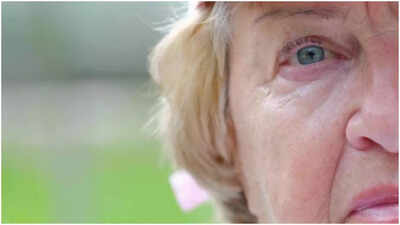
As women cross 50 years of age, the body undergoes significant hormonal and physiological changes, revolving around menopause. While hot flashes, mood changes, and bone health are commonly discussed, eye health often receives less attention.
Reduction in oestrogen levels after menopause can have an effect on the eyes.
1. Dry eye syndrome
One of the most frequent complaints in postmenopausal women is dry eye disease. Oestrogen, androgen, and other hormones play an important role in maintaining the tear film, which is the thin layer that keeps the eye lubricated. After menopause, reduced hormone levels can decrease tear production and alter tear quality. Women may experience a burning sensation or foreign body sensation, some redness in the eyes, and increased sensitivity to light.
Also, some women have excessive watering. This is reflex tearing due to irritation from dryness. Treatment consists of preservative-free artificial tears, lubricating gels at night, omega-3 supplementation, and, in some cases, prescription anti-inflammatory eye drops. Early treatment avoids chronic discomfort and corneal damage.
2. Increased risk of cataracts
Age is the most significant risk factor for cataracts, and women tend to develop them slightly earlier than men.
A cataract is the gradual clouding of the natural lens of the eye, leading to blurred vision. Postmenopausal hormonal shifts may cause oxidative stress in the lens. The protective role of oestrogen against oxidative damage decreases after menopause. Women may experience blurred vision. halos around light, frequent change in glass power. Treatment includes cataract surgery, which restores vision effectively when vision becomes significantly affected.
3. Glaucoma: The silent threat
Women above the age of 50 are also at increased risk for glaucoma. Glaucoma is a progressive optic nerve disease often associated with raised intraocular pressure, but it can occur even with normal pressure. Hormonal shifts in postmenopausal women tend to alter the outflow facility in the eyes and also alter the vascular network, thereby increasing intraocular pressure. This leads to increased chances of glaucoma.
Glaucoma usually evolves very silently. Original peripheral vision loss may go unnoticed until advanced stages. Regular eye examinations, consisting of intraocular pressure measurement, must be performed.
Early detection provides treatment with eye drops, laser, or surgery to avert irreversible vision loss.
4. Age-related macular degeneration (AMD)
Post 50, the risk of age-related macular degeneration rises, to a greater extent in women due to declining hormonal protection of the retina.
AMD affects the macula, the central part of the retina responsible for sharp, detailed vision. Women may observe distortion of straight lines or a dark or blurry spot in central vision. There are two kinds, dry and wet AMD. Dry AMD progresses slowly; wet AMD requires treatment with intravitreal injections to prevent vision loss. Changes in lifestyle, such as maintaining a healthy diet and quitting smoking, may lessen the risk.
5. Diabetes and retinal health
Metabolic changes in the body increases the risk of developing diabetes. This, in turn, raises the risk of developing diabetic retinopathy, affecting vision in various grades. Yearly retinal evaluations are therefore necessary with such patients, even if vision is normal.
6. Presbyopia and reading difficulty
Presbyopia is a natural age-related change where the patient has difficulty in reading because of decreased accommodation and shift of the natural lens.
Protecting vision after 50
Preventive eye care becomes especially crucial after menopause. Therefore, a comprehensive eye examination every 1–2 years and yearly screening if diabetic or at high risk for glaucoma are important. Using UV-protective sunglasses outdoors is recommended. A balanced diet rich in antioxidants with regular exercise is a need. Menopause marks a new phase of life, but vision disturbance does not have to be a bit of it.(This is an authored article by Dr. Mamatha H, Consultant Ophthalmologist, and Dr Agarwals Eye Hospital, Electronic City.)









 English (US) ·