

 1 hour ago
7
1 hour ago
7
ARTICLE AD BOX

Outfit Repetition: Sustainable Style Secret and The One-Element Swap
We have all felt it. That twinge of guilt when you reach for the same jeans-and-jumper combo you wore three days ago. The quiet worry that someone might notice but here's the thing: outfit repetition makes sense.
It is practical, cost-effective and far kinder to the planet than constantly chasing something new.According to a recent 2026 study published in the journal Sustainability, “Frequent reuse and restyling of garments is associated with lower consumption patterns and more sustainable wardrobe behaviours.” This reinforces that repeating outfits is not just practical, it is environmentally responsible, aligning with the sustainability angle.
So why does it still feel like a fashion faux pas?
In an interview with the Times of India, Leanna Spektor, Co-Founder and Style Expert at Brand House Direct, an Australian online retailer specialising in footwear, apparel and accessories, answered, “People often feel pressure to look different every time they leave the house but that expectation isn't realistic or sustainable.
Social media has created this illusion that everyone else is constantly wearing new things.
In reality, the most stylish people repeat their favourites all the time. They've just learned how to make it look intentional.”
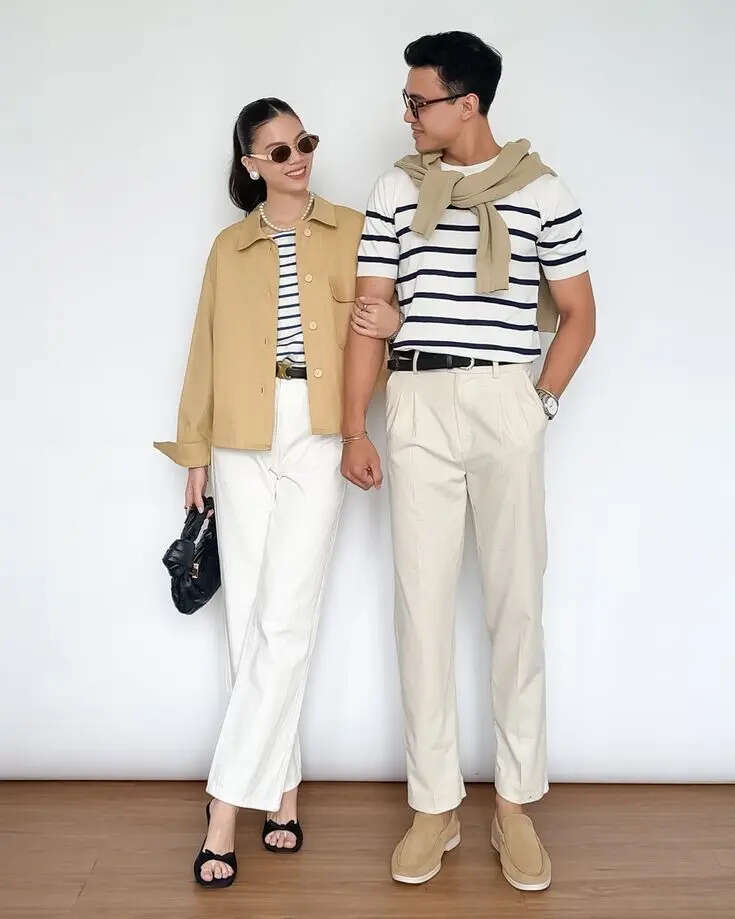
Tired of Outfit Repeats? This Simple Styling Trick Will Change Everything
The good news? There is a simple styling rule that can shift your mindset entirely. It does not require a bigger wardrobe or a bigger budget. Read on as we spill the beans on the one-element swap that turns outfit recycling into elevated dressing.
The rule: Change one thing, not the whole outfit
The trick to repeating outfits without them feeling stale is surprisingly simple: change just one visible element each time you wear it. “You don't need to reinvent the wheel every morning,” Spektor explained. “If you wore your favourite black trousers and white shirt on Monday, wear them again on Thursday but swap your trainers for ankle boots. That single change creates a completely different impression.”A 2026 study in the Journal of Consumer Research found, “Even minor alterations in visible elements significantly increase perceived novelty without requiring entirely new products.”
This is the scientific backbone of the “change one thing” rule where small tweaks like shoes or accessories make something feel new.
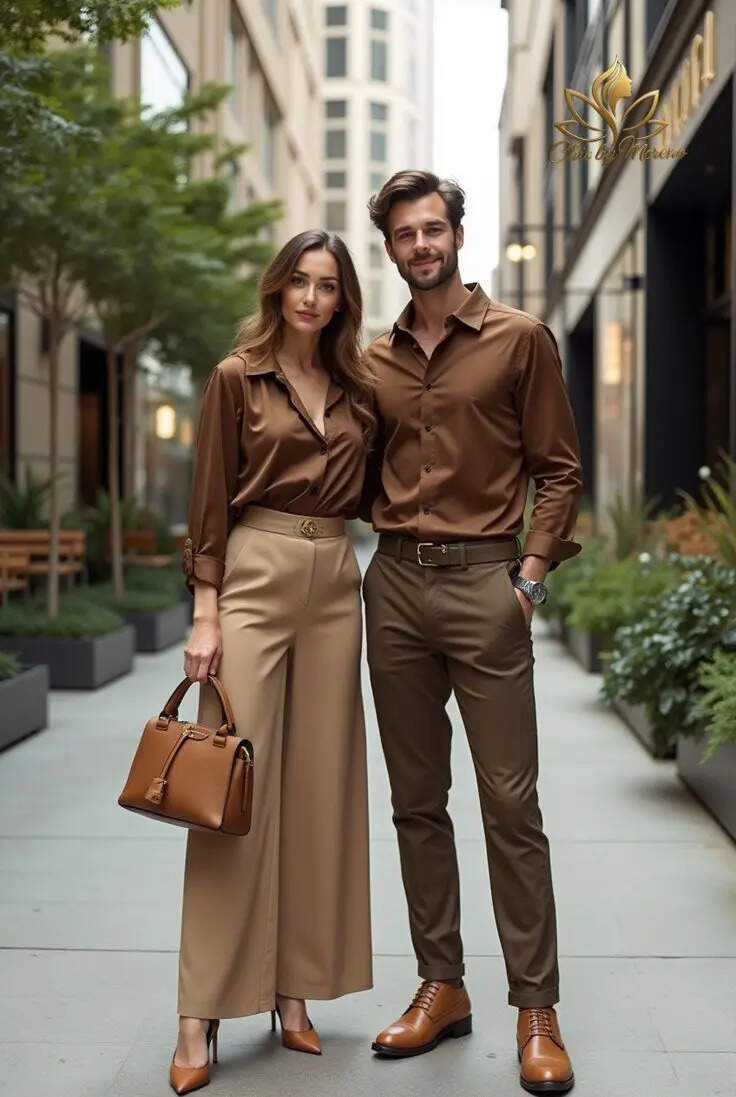
Style expert shares a simple one-element swap that turns outfit recycling into intentional dressing
This approach works because our brains register visual contrast, not complete novelty. When one element shifts, the entire outfit reads as fresh. This is why capsule wardrobes work so well for people who have mastered them. The pieces stay the same but the combinations feel endless.“Think of your core outfits as a canvas,” said Spektor. “The one thing you change is the brushstroke that makes it feel new.”
What counts as the 'one thing'?
The beauty of this rule is its flexibility. Almost any visible element can serve as your styling shift. Below are the most effective swaps to try -
- Shoes: Footwear has an outsized impact on how an outfit reads. The same midi dress looks relaxed with white trainers, polished with pointed flats and evening-ready with heeled boots. “Shoes are my go-to swap,” Spektor noted. “They're the easiest way to change the entire mood of an outfit without touching anything else.”
- Outerwear: Your coat, blazer or cardigan often dominates the visual impression of an outfit, particularly in colder months. Switching from a structured wool coat to an oversized puffer or from a leather jacket to a soft knit, transforms the look instantly.
- Accessories: Belts, bags, jewellery, scarves and gloves all count. A chunky gold necklace versus delicate silver chains. A structured tote versus a crossbody bag. These small details carry more weight than most people realise. “Accessories are underrated,” said Spektor. “A different belt or a bold earring can make people think you're wearing something completely new.”
- Silhouette Tweaks: This one requires no additional purchases at all. Simply styling the same garment differently can shift its entire character. Try tucking in a shirt you usually leave untucked. Add a belt to a dress you normally wear loose. Roll your sleeves. Cuff your jeans. “Playing with proportions is free and effective,” Spektor added. “It's about working smarter with what you already own.”
- Hair or Makeup Shift: While not technically part of your outfit, how you style yourself above the neck affects how your clothes are perceived. A sleek low bun reads differently from loose waves. A bold red lip changes the vibe entirely.
Spektor explained, “The reason this rule works is psychological. People don't actually remember your full outfit from last week. They register an overall impression.
When you change one visible element, you disrupt that impression enough to make the look feel new.”
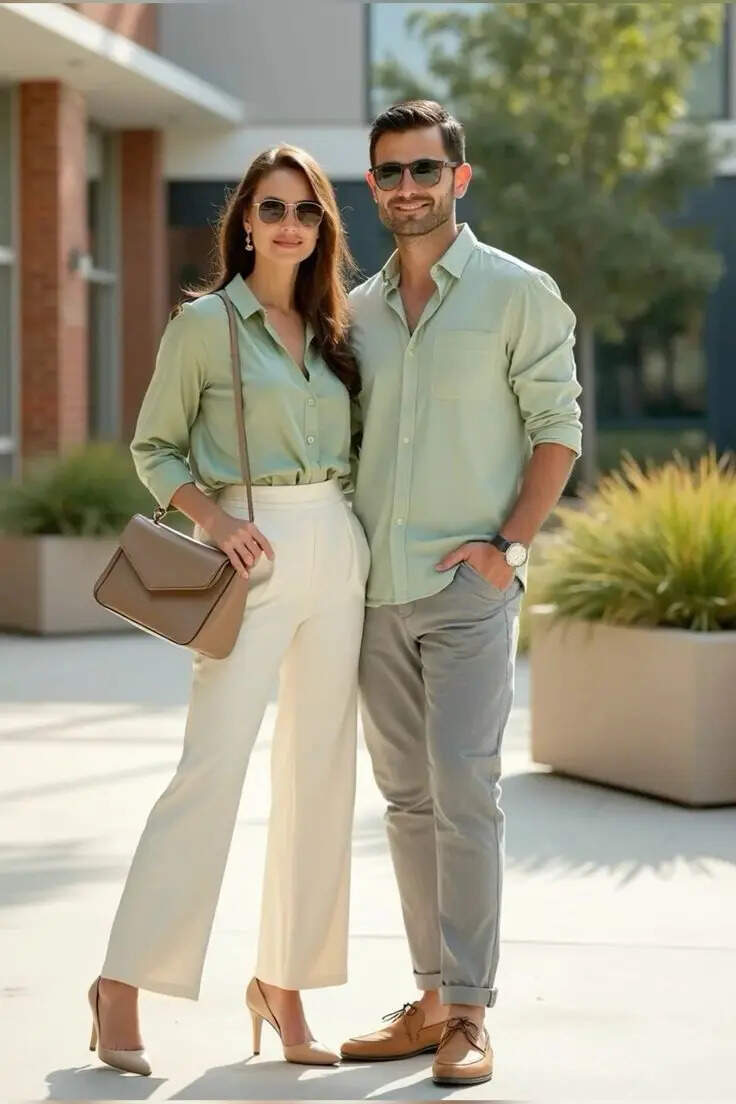
The secret is changing just one visible element each time, whether that's shoes, outerwear, accessories or how you style the silhouette
A 2026 study in the Journal of Experimental Psychology: General revealed, “Observers tend to retain generalised impressions rather than detailed recall of repeated visual stimuli, including clothing.” This directly confirms that people do not remember full outfits, they remember overall impressions, which is why changing one element works.This approach also supports sustainable fashion in a practical way.
Instead of buying more clothes to avoid repeating, you are getting more value from what you already own. It is about creativity, not consumption.Leanna Spektor shared, “The biggest mistake I see is people thinking they need to change everything or nothing. They'll avoid wearing a favourite piece because they wore it recently, then reach for something they like less. That's backwards. Wear your favourites often. Just give them a small twist each time.”









 English (US) ·