

 47 minutes ago
5
47 minutes ago
5
ARTICLE AD BOX
Last Updated:May 25, 2026, 11:32 IST
A salary hike on paper often disappears into recurring urban expenses before workers can actually feel richer


Employees required to travel daily are effectively paying an additional monthly “office tax” simply to remain employable. (AI-Generated Image)
A cup of coffee before work. A rushed cab after staying late. Lunch orders because carrying food feels exhausting. Extra rent to live “closer to office". New formal clothes. Salon visits. Parking fees. The occasional team dinner that is optional, technically, but socially unavoidable.
For millions of urban workers, returning to the office has no longer meant just paying for fuel or tapping a metro card. It means entering an entire ecosystem of hidden spending that quietly eats into salaries month after month.
Individually, these costs feel manageable, but together, they can quietly become a second monthly bill. And in cities where inflation, rents and commute times are already rising, many salaried workers increasingly feel that work itself has become expensive.
The Commute Is Just The Beginning
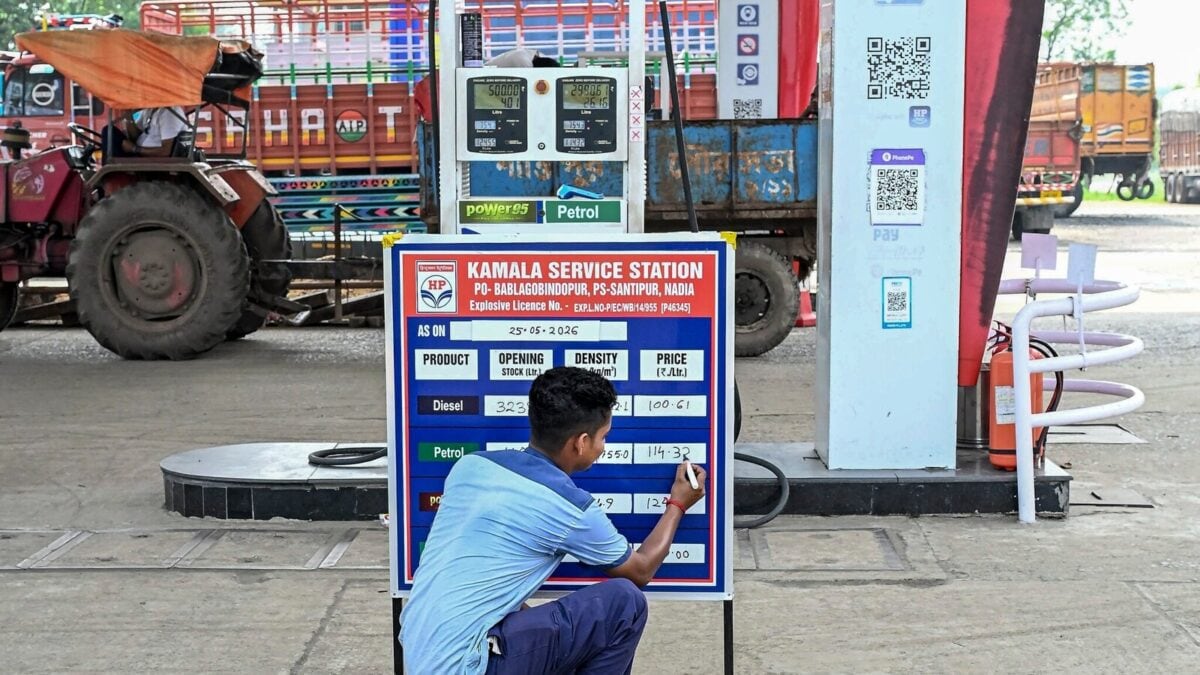
The most obvious office expense is travel, given yet another round of fuel price hike. But even here, costs add up faster than people realise.
ALSO READ | Can Your Boss Defy PM Modi’s Work From Home Call? What New Labour Laws Say
Meet Rohit, a 29-year-old IT employee in Bengaluru. He drives around 18 kilometres each way to his office in Whitefield. On paper, his commute sounds simple. In reality, his monthly office-travel spending looks something like this:
Petrol: Rs 6,000-Rs 7,000
Parking: Rs 1,500
Occasional tolls and bike maintenance: Rs 1,000
Surge-price cabs during rain or late nights: Rs 2,000
That is nearly Rs 10,000 every month, before he has even entered the office. For metro users, the spending pattern changes but does not disappear.
A Delhi employee travelling daily by metro may spend Rs 2,500-Rs 4,000 on travel, Rs 1,500-Rs 3,000 on autos/e-rickshaws for first- and last-mile connectivity, plus frequent food or convenience purchases during long commutes. The longer the commute, the higher the concept of “friction spending". Friction spending means the small, impulsive expenses people make simply because they are tired, rushed or outside home for longer.
Aditi Setia, an IT professional, says: “People think going to office is just about fuel costs. But once you start stepping out every day, everything becomes expensive; food, clothes, grooming, even the rent you pay to stay closer to work. Sometimes it feels like I’m spending money just to remain employable."
The Rs 250 Lunch That Quietly Becomes Rs 6,000
One of the biggest hidden office expenses is food. At home, lunch may cost Rs 60-Rs 100. Outside, even a relatively modest office-day meal can look like this—Coffee: Rs 180, Lunch: Rs 250, Evening snack or chai: Rs 80, Water or small convenience purchases: Rs 40. That takes the total for one day to roughly Rs 550.
Across 22 working days, that becomes over Rs 12,000 a month.
Of course, not everyone spends this much daily. Many carry food from home. But office culture often creates spending pressure as colleagues order together, there is dependence on cafeterias, client meetings, birthday treats, and quick app deliveries during hectic days.
Even workers trying to save money often end up spending more simply because office life reduces control over routine. Imagine reaching home late in the evening and then cooking a meal for the next day. Fatigue, unforgiving heat, and the sheer exhaustion of a day would render many only capable of hitting the sack. This means you need to spend on all meals the next day, further pushing up your in-office costs.
The “Office-Ready" Lifestyle Is Expensive
Then comes the category people rarely calculate properly: appearance and maintenance costs.
ALSO READ | ‘Covid-Era Measures’: After PM’s Appeal, Is Work From Home Set To Return To India’s Workplaces?
Working from home dramatically reduced spending on formal clothes, footwear, makeup and grooming, dry cleaning, frequent haircuts, skincare and cosmetics, and accessories and bags. Returning to office brings many of these costs back.
For women professionals especially, the financial expectations can be significantly higher. A corporate employee may spend monthly on makeup and skincare restocking, salon appointments, formalwear rotation, footwear, laundry and ironing. None of these are officially mandatory. But many workers say office environments create unspoken pressure to look consistently polished and professional.
In sectors like consulting, media, law, luxury retail or corporate sales, appearance itself can quietly become a work expense.
The Most Expensive Cost May Be Time
Perhaps the biggest office expense is also the least measurable: lost time.
A worker spending 90 minutes commuting each way five days a week loses nearly 15 hours weekly or about 60 hours monthly. That is effectively more than an entire extra workweek spent in transit.
And long commutes often trigger secondary costs—ordering food because of exhaustion, taking cabs after late evenings, paying more rent to move closer to office, reduced sleep, less exercise, burnout and stress.
“The exhaustion itself becomes expensive. After spending hours in traffic and coming home tired, you stop making cost-saving choices. You order food instead of cooking, book cabs instead of waiting, buy convenience instead of planning, and slowly fatigue starts showing up in your bank account," says Setia. She adds: “By the time I get home from office, I barely have energy left for myself. Exercise becomes optional, proper sleep gets delayed and weekends turn into recovery periods instead of rest. Over time, it starts affecting not just your finances, but your mental and physical health too."
For parents, the costs can multiply further with day care, school transport, domestic help, CCTVs at home, nannies, and after-school supervision. The workday no longer ends when office hours end. This is also true for those who have the elderly to look after and have hired help for their chores.
The Rent Premium Of ‘Living Close To Office’
Many urban workers now make housing decisions around commute survival rather than lifestyle preference. Living closer to major office hubs in cities like Bengaluru, Gurugram, Mumbai or Hyderabad often means paying dramatically higher rent.
For example, a flat farther from Bengaluru’s tech corridor may cost Rs 18,000 but a similar flat closer to office districts may cost Rs 30,000 or more.
Workers are effectively paying an “anti-traffic premium". This is especially visible in Bengaluru, where commute times have become a defining part of urban life.
Why Salaries Feel Smaller Today
This is why many middle-class workers say they feel financially tighter despite earning more than they did a few years ago.
The pressure comes from multiple directions at once: inflation, urban rents, rising lifestyle costs, stagnant salary growth in many sectors, and the return of office-linked spending. A salary hike on paper often disappears into recurring urban expenses before workers can actually feel richer.
Take Aarav, a 30-year-old marketing professional in Gurugram. Last year, his monthly in-hand salary was Rs 75,000. This year, he got a 5 per cent annual increment, taking his new monthly in-hand to around Rs 78,750. A hike of Rs 3,750 per month may sound decent, but now look at what changed after stricter return-to-office rules and rising urban costs.
Petrol + parking + occasional cab rides: Earlier Rs 3,500, now stand at Rs 7,000 (Increase of Rs 3,500)
Lunches + snacks + coffee runs: Earlier (WFH/hybrid) was Rs 2,000, now Rs 6,000 (Increase of Rs 4,000)
Formalwear + laundry + grooming: Earlier was Rs 1,500, now Rs 3,500 (Increase of Rs 2,000)
Rent premium (Moved closer to office to avoid 3-hour commute): Rent increase is Rs 5,000
This takes the additional total monthly cost to Rs 14,500. So, even after a salary hike, Aarav is effectively spending Rs 10,750 more every month than before.
Add to this inflation, EMIs, electricity, healthcare, subscriptions, or family expenses and the costs shoot up even more. This is particularly true for younger professionals in metros, where social and professional life increasingly overlap with consumption.
Why Companies Still Want Workers Back
Employers, meanwhile, argue that offices improve collaboration, mentoring, team culture, supervision, innovation and productivity. Many firms have also invested heavily in office real estate and infrastructure.
ALSO READ | ‘This Isn’t Covid-19’: Why Your Boss May Not Be Ready To Approve Work From Home Yet
Some managers believe remote work weakens accountability or slows organisational cohesion. The result is a growing tug-of-war: companies pushing return-to-office mandates while employees calculating whether office life is financially and emotionally worth it.
The ability to work remotely or hybrid is increasingly becoming a hidden economic advantage.
Workers with flexible arrangements save not just money, but time, energy, commute stress, and often mental bandwidth. Meanwhile, employees required to travel daily are effectively paying an additional monthly “office tax" simply to remain employable.
And in India’s biggest cities, that tax is no longer small.
Handpicked stories, in your inbox
A newsletter with the best of our journalism
News explainers 'Fatigue Shows Up In Bank Accounts': This Hidden 'Office Tax' Is Eating Into Your Salary & Health
Disclaimer: Comments reflect users’ views, not News18’s. Please keep discussions respectful and constructive. Abusive, defamatory, or illegal comments will be removed. News18 may disable any comment at its discretion. By posting, you agree to our Terms of Use and Privacy Policy.
Read More







 English (US) ·