

 1 hour ago
4
1 hour ago
4
ARTICLE AD BOX
Last Updated:April 08, 2026, 00:04 IST
Pakistan’s priority remains a delicate balancing act between its ideological neighbours and its financial lifelines


The vetoes by China and Russia, combined with the abstentions of Pakistan and Colombia, signify a total breakdown in the P5’s ability to manage global chokepoints. (File pic/Reuters)
As the West Asia conflict reaches a boiling point, the United Nations Security Council (UNSC) has once again descended into a state of paralysis. In a high-stakes session on Tuesday, a resolution backed by the United Arab Emirates (UAE) and Bahrain—aimed at securing the Strait of Hormuz—failed to be adopted. While the headlines are dominated by the decisive vetoes from China and Russia, it is the calculated abstention of Pakistan that reveals the complex economic and security anxieties gripping South Asia.
By choosing to sit on the fence alongside Colombia, Islamabad has sent a clear message: in a world of “maximum pressure", Pakistan’s priority remains a delicate balancing act between its ideological neighbours and its financial lifelines.
Why did Pakistan choose to abstain from the Hormuz resolution?
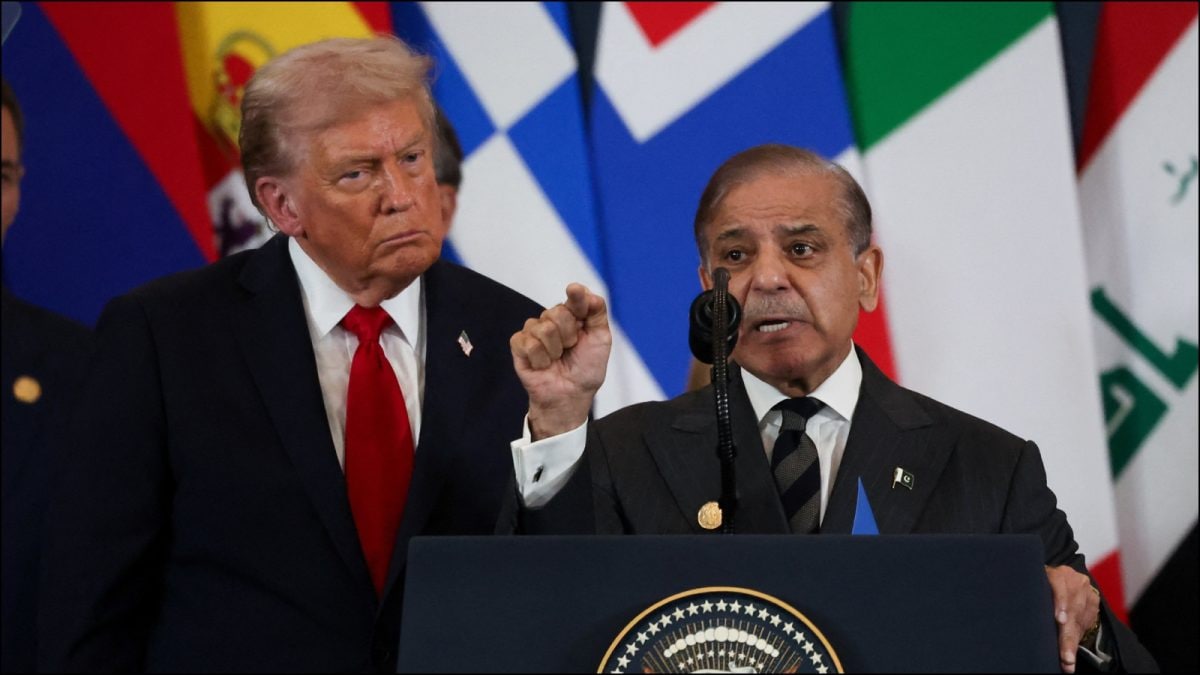
Observers say Pakistan’s decision to abstain is an attempt at pragmatic neutrality. For Islamabad, the resolution presented an impossible choice. Supporting the UAE-backed move would have aligned Pakistan with the Western-led “double engine" strategy, potentially alienating its immediate neighbour, Iran, during a period of extreme military volatility. Conversely, a “no" vote would have risked the wrath of the United States and the Gulf Arab states.
The abstention allows Islamabad to maintain its “balancing act". By not taking a side, Pakistan is attempting to protect its energy and security interests amidst record-high fuel prices. With the 8pm (ET) deadline for US infrastructure strikes on Iran looming, Pakistan is desperate to ensure it does not become collateral damage in a regional conflagration that could permanently disrupt the 20 per cent of global oil that flows through the Strait.
How critical are the Gulf Arab states to Pakistan’s economic survival?
The primary driver behind Pakistan’s diplomatic caution is the “remittance reality". The Gulf region is the single most important economic partner for Islamabad, hosting millions of Pakistani workers whose monthly transfers are the backbone of the nation’s foreign exchange reserves. Any diplomatic friction with the UAE or Saudi Arabia could jeopardise the livelihoods of these workers and, by extension, the stability of the Pakistani state.
Furthermore, Pakistan relies heavily on the Gulf for its energy security. With global oil prices currently hovering around $111 per barrel, Islamabad cannot afford any further alienation of the partners who provide its fuel on concessional credit. By abstaining, Pakistan is signaling to its Gulf partners that it respects their security concerns while simultaneously signalling to Tehran that it is not part of a “one-sided" move to escalate the conflict.
What does the UNSC failure mean for global energy security?
The vetoes by China and Russia, combined with the abstentions of Pakistan and Colombia, signify a total breakdown in the P5’s ability to manage global chokepoints. This deep polarisation suggests that Iran’s key allies are prioritising de-escalation on Tehran’s terms over a unified maritime mandate. The failure to adopt the resolution effectively leaves the Strait of Hormuz under a cloud of legal and military ambiguity.
For the global market, this deadlock is an invitation to further instability. Without a UN-sanctioned framework for Hormuz, the risk of “one-sided moves" by the US and the UAE increases exponentially. As trade remains disrupted and energy prices remain on an upward trajectory, the UNSC’s paralysis has left the world’s most vital maritime artery at the mercy of the “8pm deadline". For Pakistan, the hope is that this “silent" diplomacy will buy enough time to avoid an economic collapse that no amount of remittances could fix.
First Published:
April 08, 2026, 00:04 IST
News world Fence-Sitting In A Firestorm: Why Pakistan Abstained From Crucial UNSC Vote On Strait Of Hormuz | Exclusive
Disclaimer: Comments reflect users’ views, not News18’s. Please keep discussions respectful and constructive. Abusive, defamatory, or illegal comments will be removed. News18 may disable any comment at its discretion. By posting, you agree to our Terms of Use and Privacy Policy.
Read More



 English (US) ·