

 1 hour ago
5
1 hour ago
5
ARTICLE AD BOX
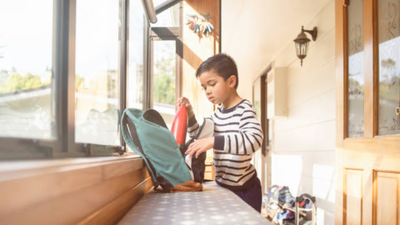
New school mornings don’t always look dramatic.Sometimes they just look… slow.The child who usually jumps out of bed suddenly takes forever to get ready. Breakfast becomes a negotiation.
Shoes go missing. There’s a sudden complaint of a stomach ache that mysteriously disappears by evening.And you know what it really is.Not laziness. Not drama.And nothing but the silent panic of entering a room where no one recognizes you at all.It is awkward enough to be starting somewhere new as an adult. It is like entering the world of another person, and as a child it is hard to find a place where people are already friends and routines are already known to them.All things seem to belong to a different person. The jokes. The seating patterns. Even the way kids raise their hands in class.And your child is left wondering where they fit.What makes this tricky is that children rarely say, “I’m nervous about being new.” Instead, it comes out as, “I don’t want to go.” Or “I don’t like it there.” Or sometimes just silence.That’s the part where most parents rush in to fix.“You’ll make friends soon.”
“It’ll be fine.”“You just have to try.”But confidence doesn’t appear because we suggest it should.What helps more is staying alongside the discomfort instead of brushing past it.Sometimes, the most reassuring thing you can do is treat their hesitation like it makes sense. Because it does.Before the first day, the smallest bits of familiarity help more than big pep talks. Knowing where the classroom is. Knowing what the morning routine might look like.
Even knowing how to ask the teacher something simple can take away that “I don’t know what to do” feeling.Children don’t need to be fearless. They just need to feel less lost.And they take their emotional cues from you far more than you realise. If the drop-off feels rushed or tense, they absorb that tension. If it feels calm and ordinary, they start to believe maybe this isn’t something to fear.After the day ends, resist the urge to run an interview.Instead of asking if they made friends or enjoyed it, try asking something softer. What was different today? What caught your attention?It gives them room to speak without feeling that they are under evaluation.The initial few days might also be full of tears, complaints or silent desires to remain at home. That’s not failure. It’s adjustment in progress.With time, the unfamiliar becomes routine. The corridor stops feeling endless. The faces stop feeling strange. The day stops feeling heavy.And suddenly, without a big announcement, it becomes normal.Your role isn’t to make the fear disappear instantly.It’s to make sure they don’t face it alone.









 English (US) ·