

 1 hour ago
6
1 hour ago
6
ARTICLE AD BOX
Last Updated:June 18, 2026, 15:56 IST
The UK government is exploring a social media ban for under-16s amid concerns over cyberbullying, harmful content and screen addiction. Here's everything we know so far.
Britain has become the latest country to crack down on children’s access to social media. Prime Minister Keir Starmer’s government plans to ban under-16s from major platforms, citing concerns over cyberbullying, harmful content, and excessive screen time. Here’s a look at what the proposed digital curfew means and the questions that still remain unanswered.
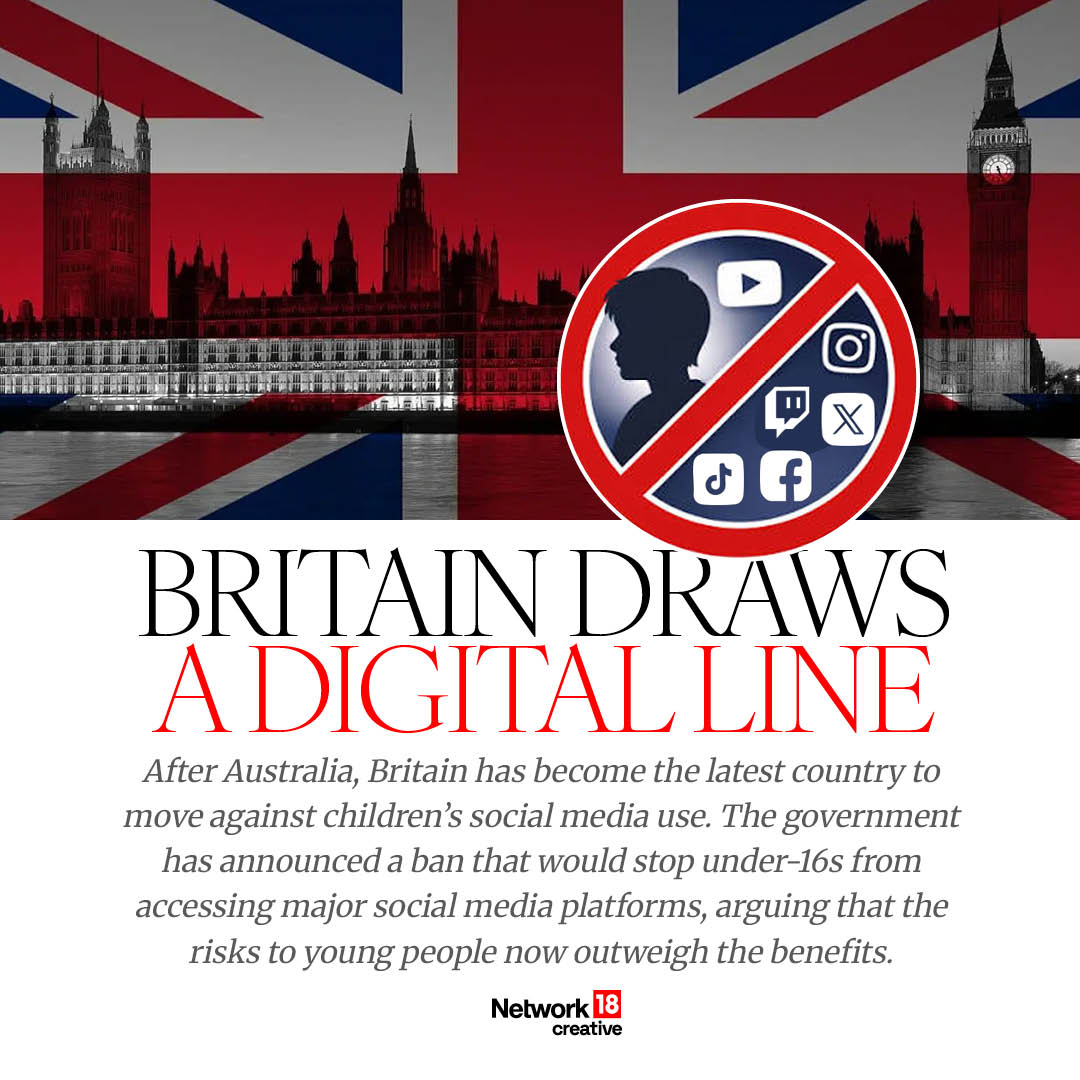
Britain is considering a sweeping move to keep children under 16 off major social media platforms. The proposal comes amid growing concerns about the impact of online spaces on young users' mental health and safety.
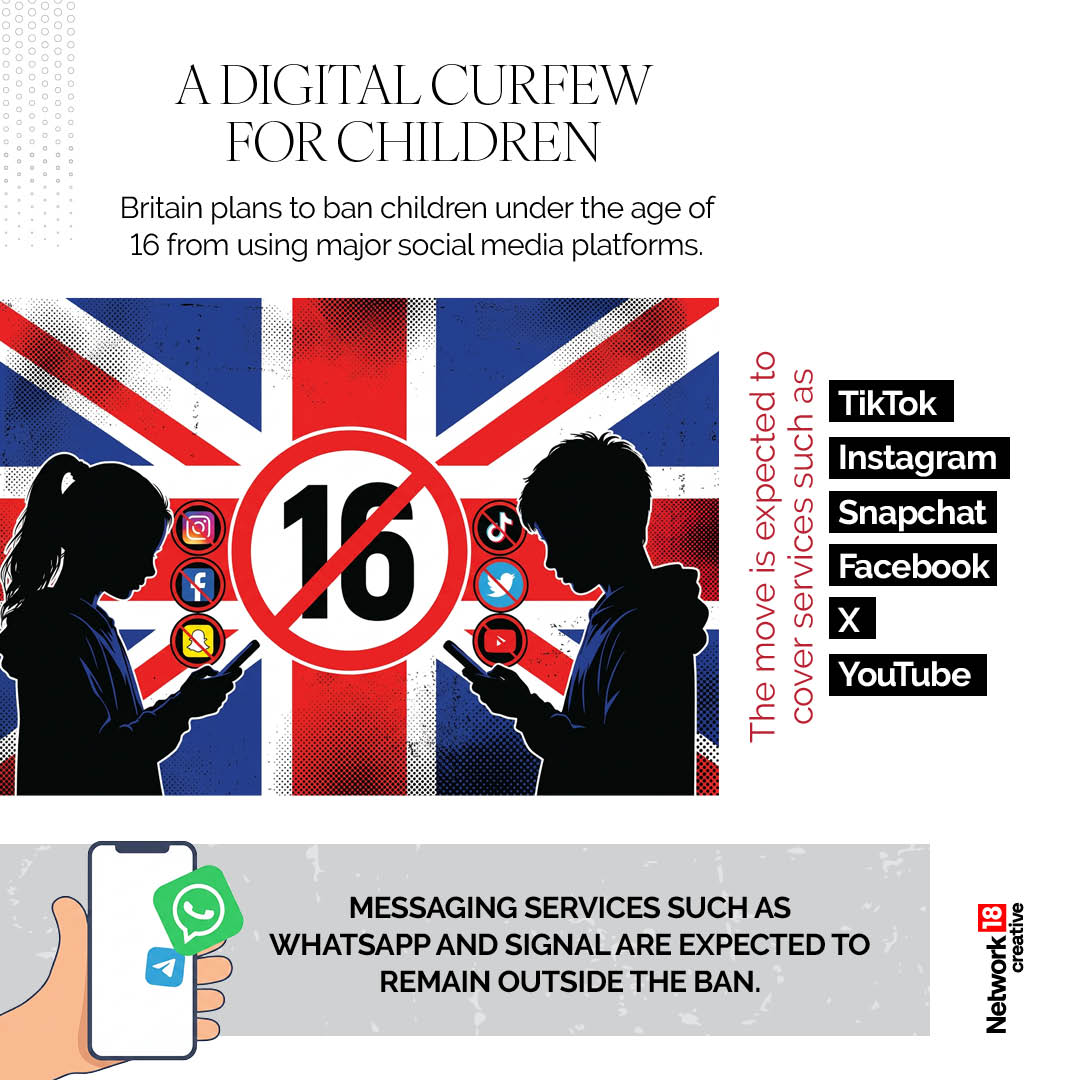
Under the proposal, children below 16 would be barred from platforms such as TikTok, Instagram, Snapchat, Facebook, X and YouTube. Messaging apps like WhatsApp and Signal are expected to remain unaffected.
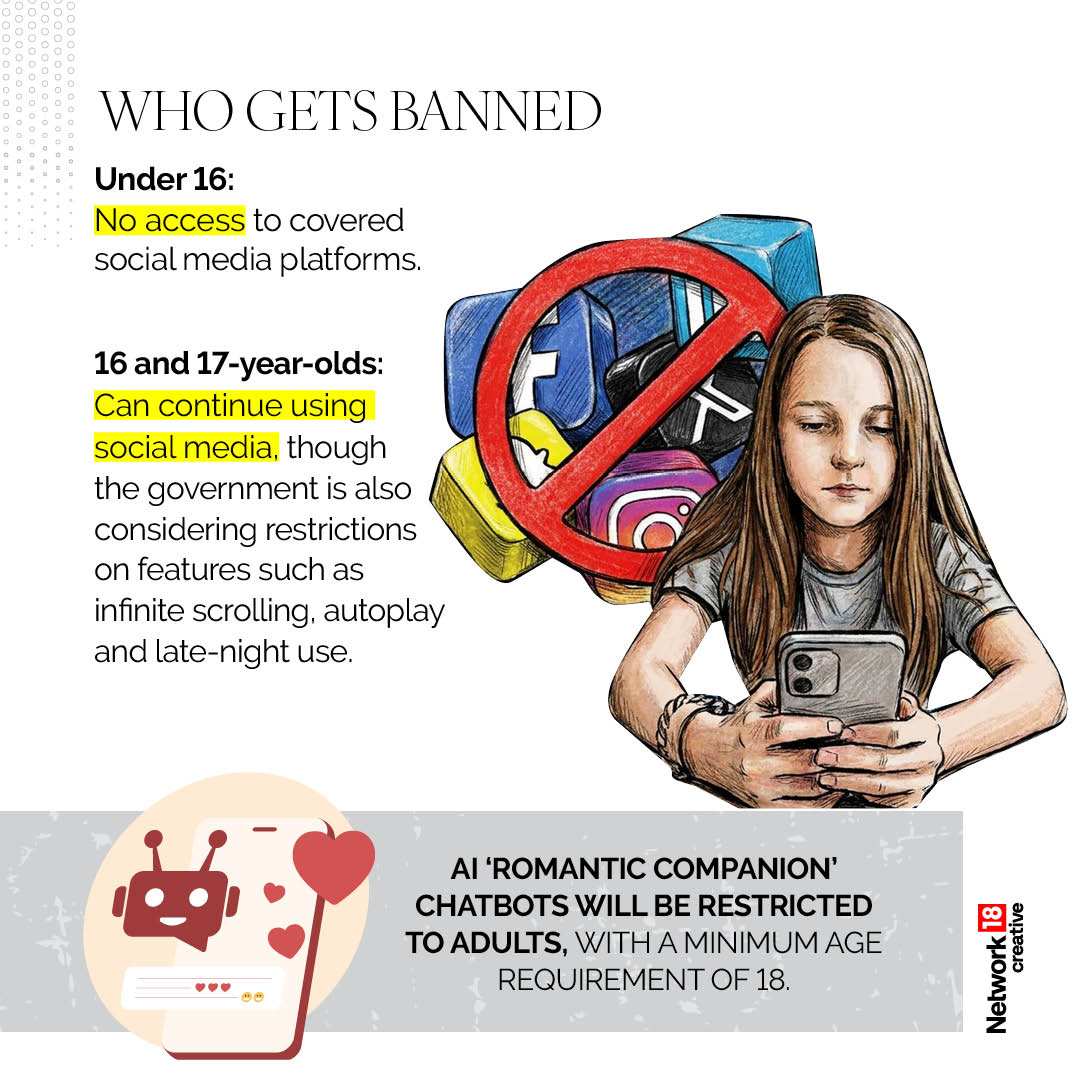
The rules would apply fully to those under 16. Teenagers aged 16 and 17 could continue using social media, though additional measures such as limits on endless scrolling and late-night use are also being discussed. AI companion chatbots for adults may also face a minimum age requirement of 18.
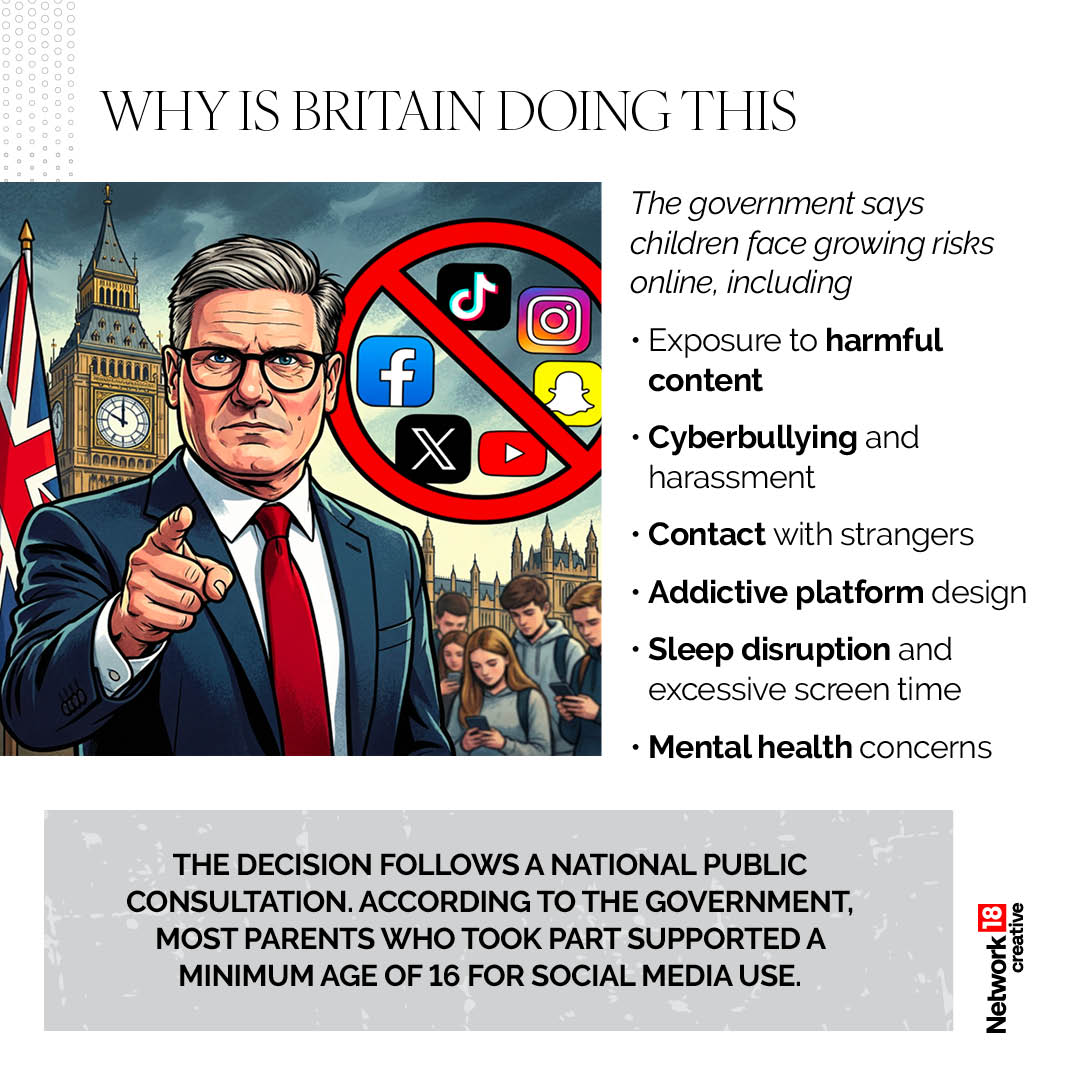
The government says children face increasing risks online, including harmful content, cyberbullying, contact with strangers, addictive platform designs, sleep disruption and mental health issues. Public support has also played a role in shaping the proposal.
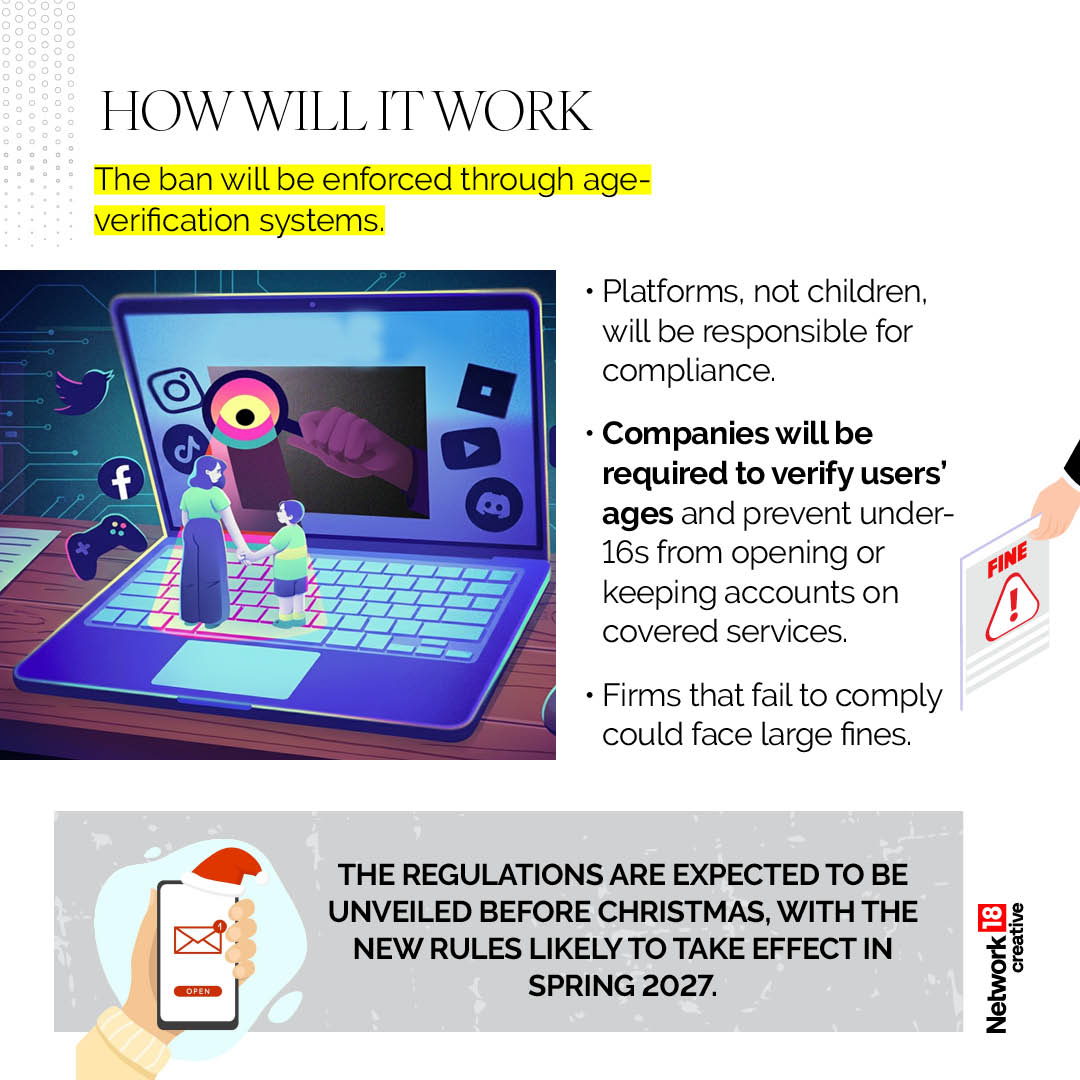
The ban is expected to rely on age-verification systems. Social media companies, rather than parents, would be responsible for ensuring compliance. Firms that fail to follow the rules could face hefty penalties.
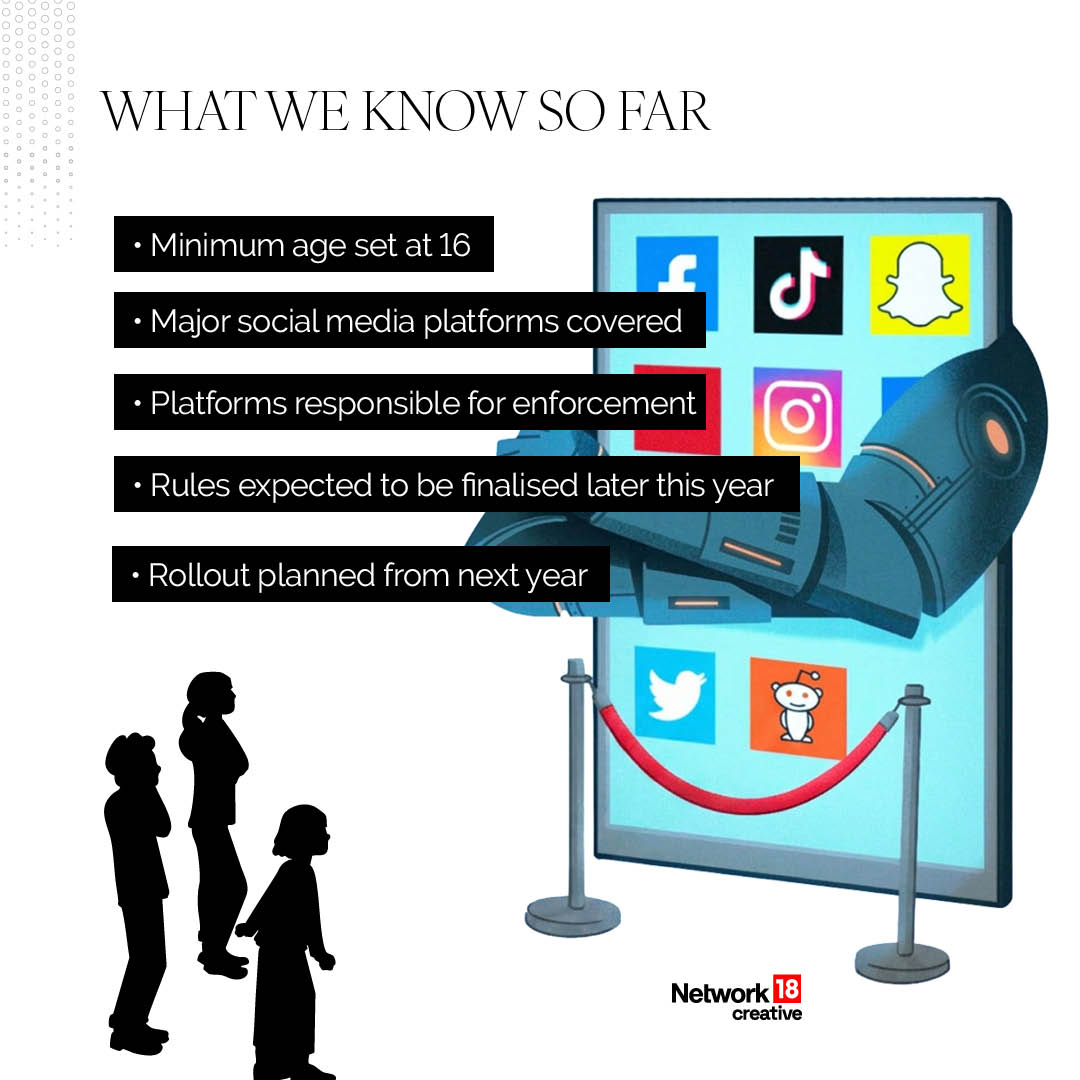
So far, the government has indicated that the minimum age would be 16, major platforms would be covered, and enforcement responsibilities would fall on tech companies. The rules are expected to be finalised later this year, with a rollout likely from next year.
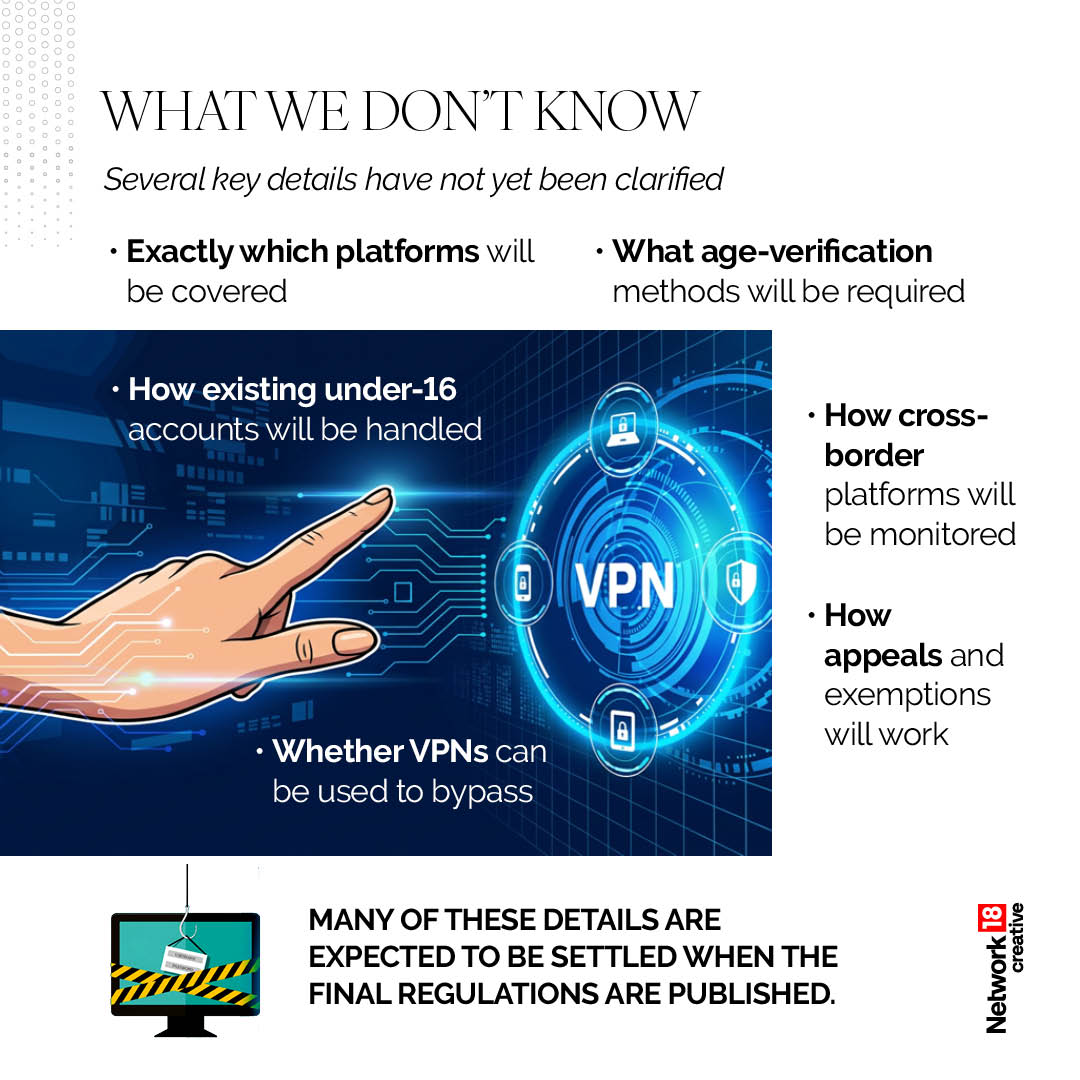
Several questions remain unresolved, including which platforms will be covered, how under-16 accounts will be handled, whether VPNs can be used to bypass restrictions, and how appeals and exemptions will work.
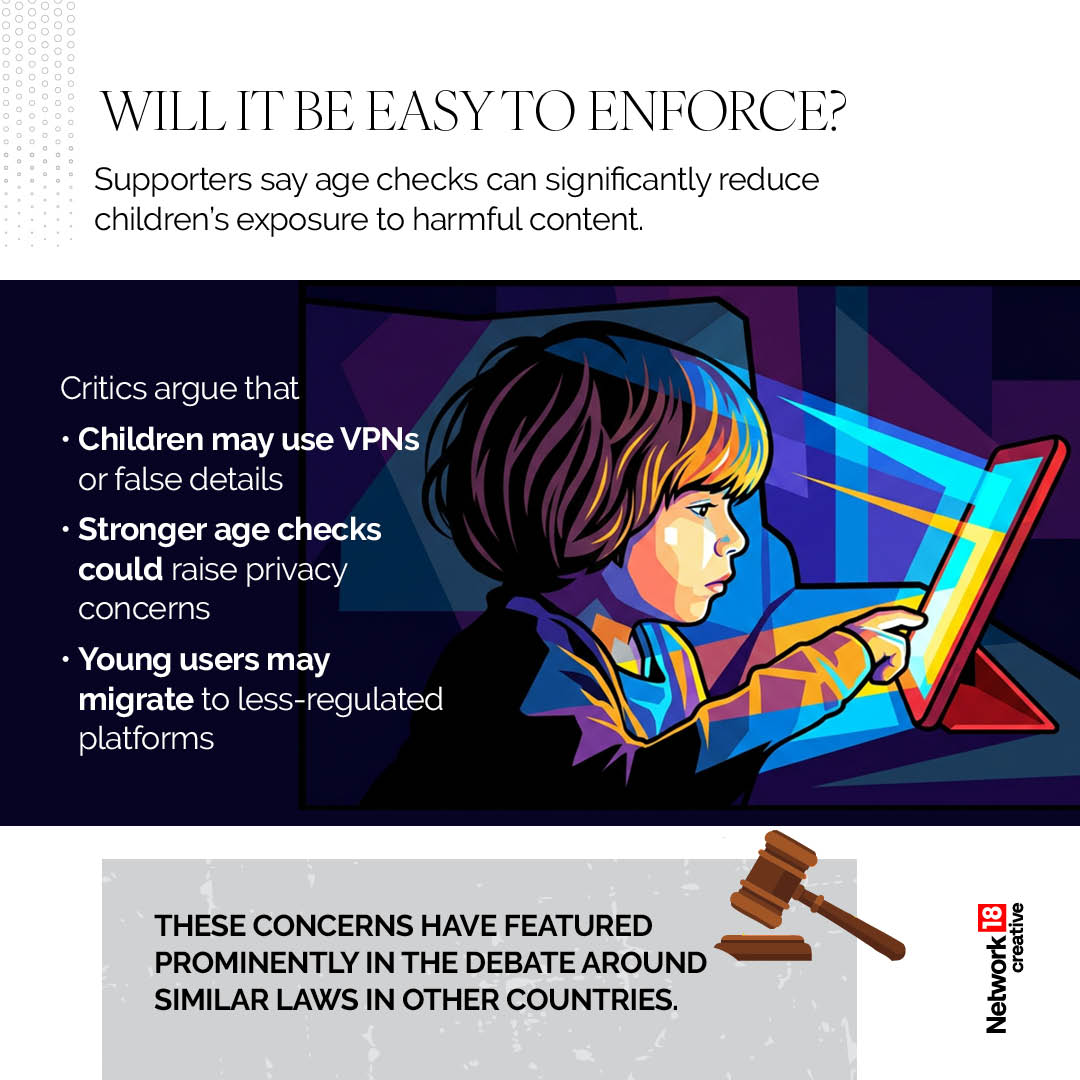
Supporters argue stronger age checks can protect children, but critics warn that young users could circumvent restrictions using VPNs or fake details. Privacy concerns around age verification have also been raised.
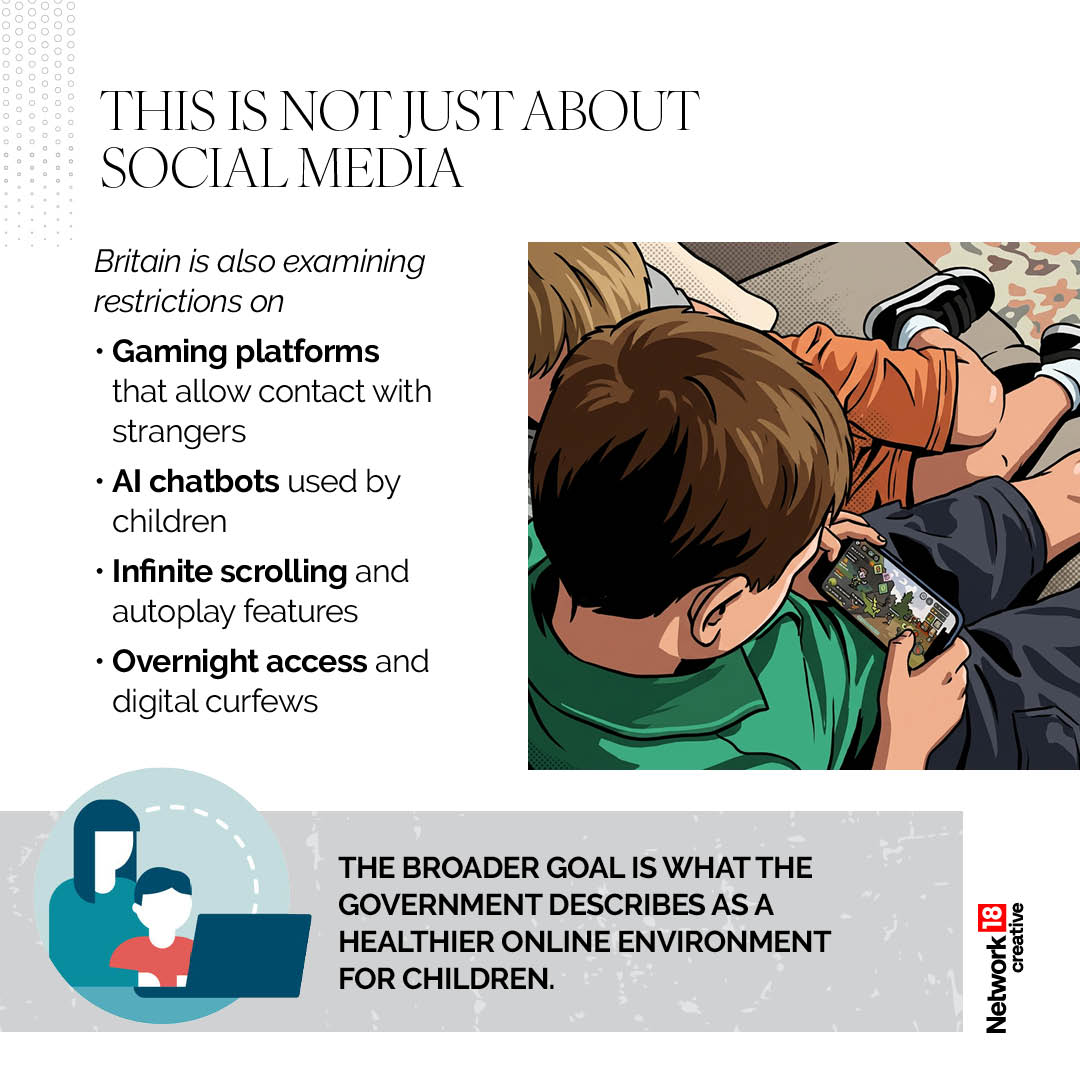
Britain is also exploring restrictions on gaming platforms, AI chatbots, autoplay features and overnight access to digital services. The broader aim is to create a healthier online environment for children.
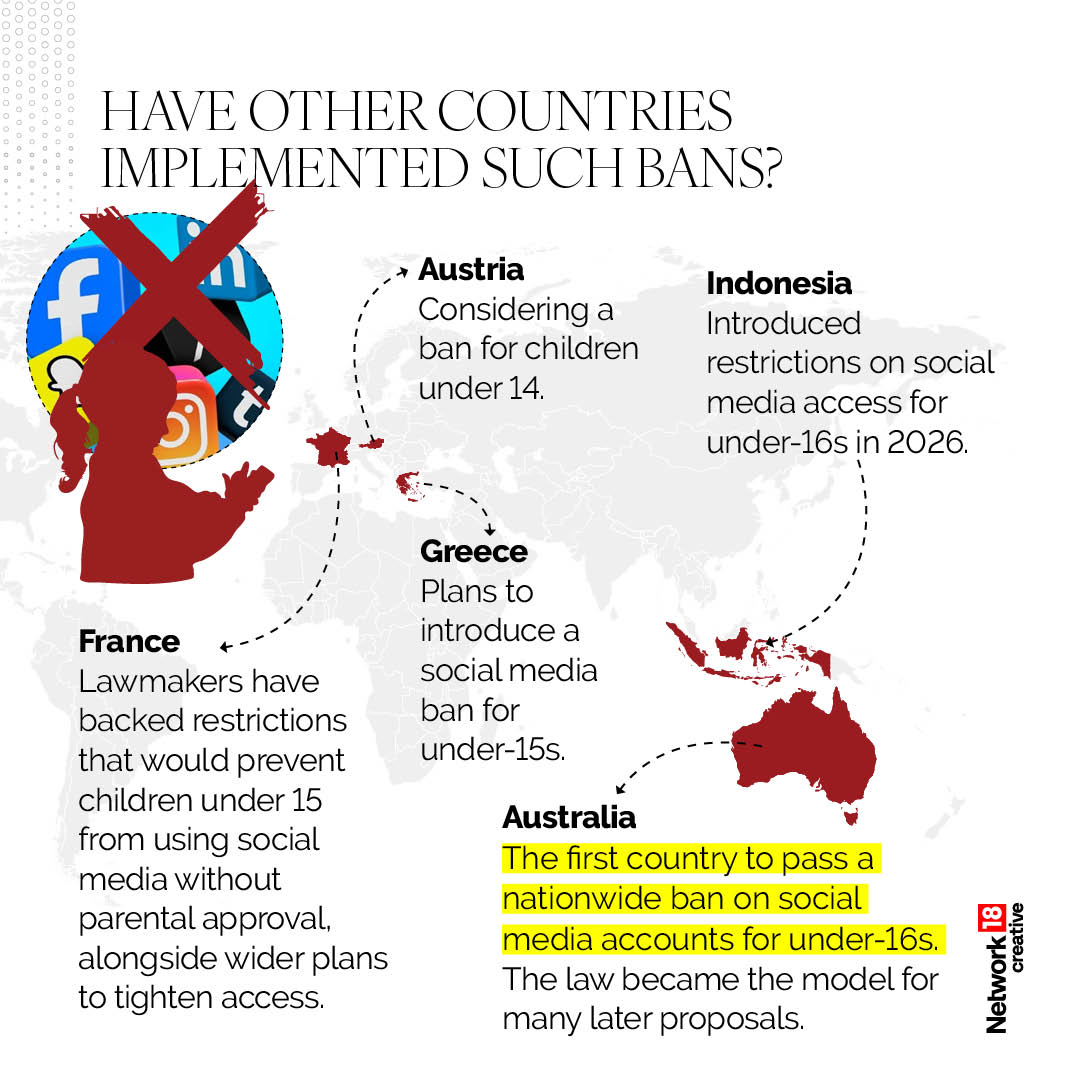
Britain is not alone. Australia has already passed a law banning social media for under-16s, while countries such as France, Greece, Austria and Indonesia are considering or introducing similar measures.
News Photogallery world Following Australia, Britain May Ban Social Media For Under-16s | GFX





 English (US) ·