

 1 hour ago
6
1 hour ago
6
ARTICLE AD BOX
Last Updated:February 28, 2026, 14:16 IST
The US-Iran hostility did not emerge overnight. It is the result of a long chain of political upheavals, covert operations, wars and failed diplomacy.


People watch as smoke rises on the skyline after an explosion in Tehran, Iran on February 28, 2026. (AP Photo)
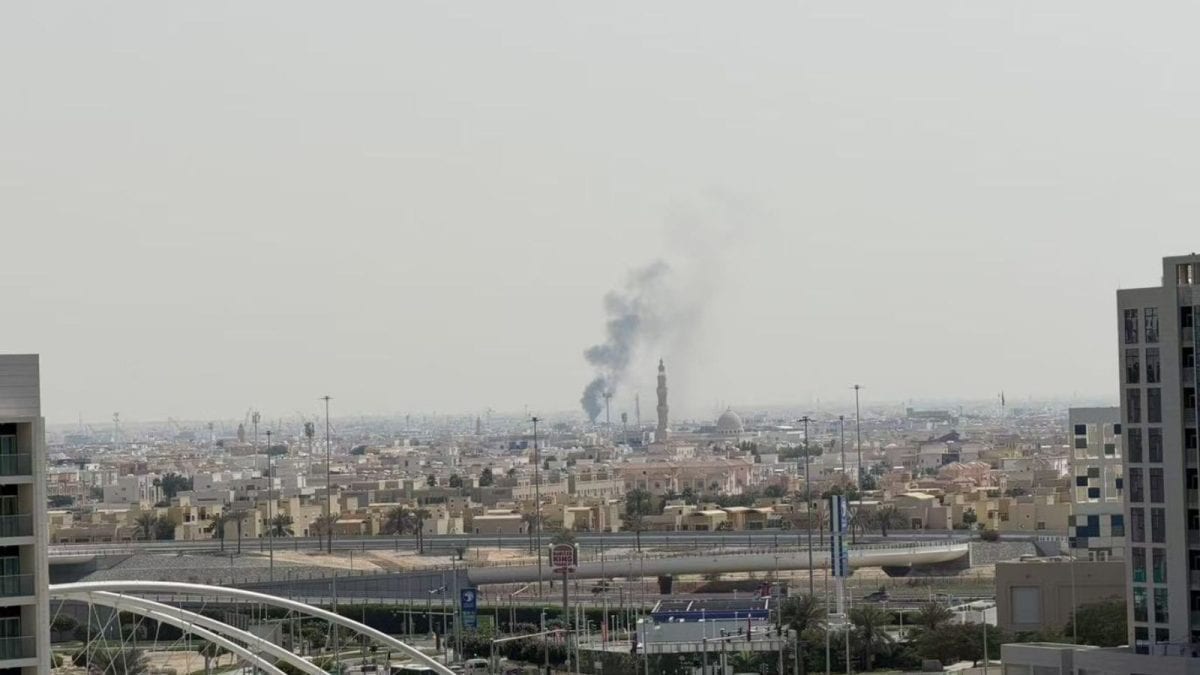
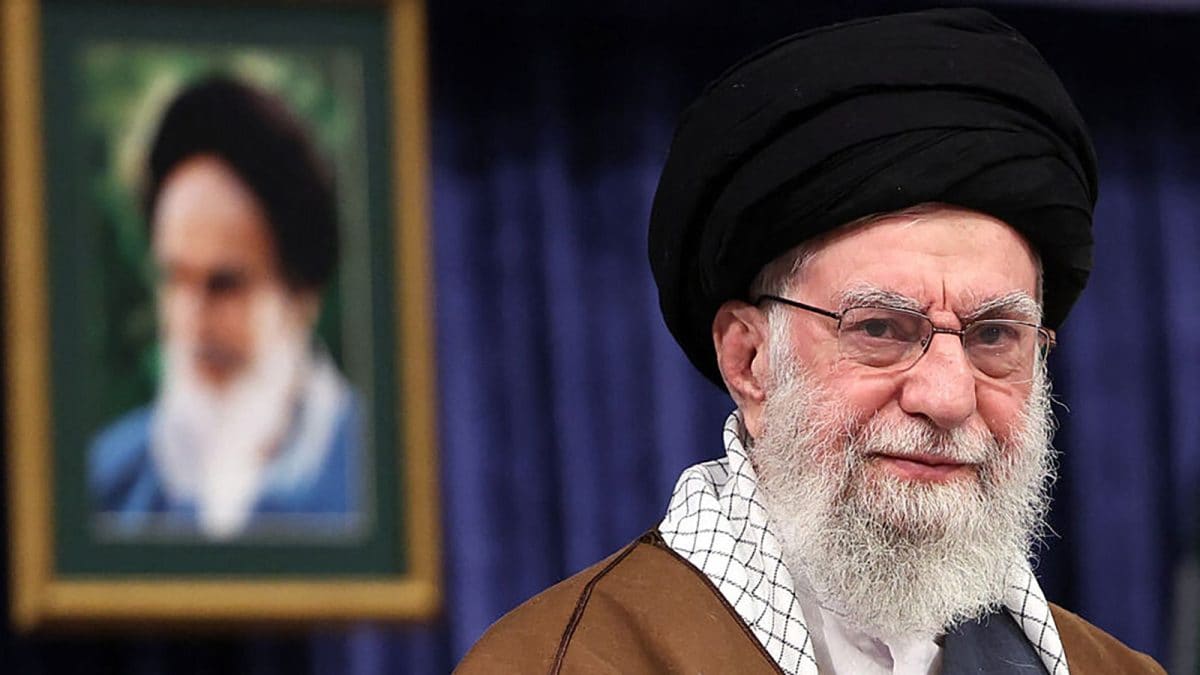
The United States and Israel attacked Iran on Saturday, with the first apparent strike happening near the offices of Supreme Leader Ayatollah Ali Khamenei. Iranian media reported strikes nationwide, and smoke could be seen rising from the capital.
US President Donald Trump said in a video posted on social media that the United States had begun “major combat operations in Iran". He claimed Tehran has continued to develop its nuclear program and plans to develop missiles to reach US.
Trump has acknowledged that the operations against Iran may lead to US casualties. “The lives of courageous American heroes may be lost, and we may have casualties," he said in a video posted to social media early on Saturday morning. “That often happens in war."
For Iranian leaders, the United States is the ‘Great Satan’ and successive American administrations have described Iran as a destabilising force in the Middle East. The hostility did not emerge overnight. It is the result of a long chain of political upheavals, covert operations, wars and failed diplomacy.
1953: The Coup That Altered Iran
The roots of the rupture stretch back to the Cold War.
In 1953, a covert operation known as Operation Ajax, led by the CIA with British backing, removed Iran’s democratically elected prime minister, Mohammad Mossadegh, from office. Mossadegh had nationalised Iran’s oil industry — previously dominated by British interests — and Western governments feared both economic losses and the potential expansion of Soviet influence.
The coup restored Shah Mohammad Reza Pahlavi to consolidated power. Under the Shah, Iran became a key American ally in the region. But his increasingly authoritarian rule, coupled with perceptions that he prioritised Western interests over domestic concerns, bred resentment inside Iran.
That anger simmered for decades — and eventually exploded.
1979: Revolution and the Hostage Crisis
The Islamic Revolution of 1979 transformed Iran from a pro-Western monarchy into a theocratic republic led by Ayatollah Ruhollah Khomeini. The Shah fled, and anti-American sentiment surged.
On November 4, 1979, Iranian students stormed the US Embassy in Tehran, taking 66 Americans hostage. More than 50 were held for 444 days. The crisis dominated American headlines and deeply embarrassed President Jimmy Carter’s administration.
A secret US rescue attempt — Operation Eagle Claw — failed after helicopters malfunctioned during a desert sandstorm, killing eight American service members.
Diplomatic ties were formally severed in 1980 and have not been restored since. The hostages were released in January 1981, moments after Ronald Reagan was sworn in as president.
The Iran-Iraq War: Washington’s Tilt Toward Baghdad
When Iraq, under Saddam Hussein, invaded Iran in 1980, the United States did not formally join the conflict. However, it leaned toward Iraq.
Washington provided intelligence, economic assistance and indirect military support to Baghdad. American officials feared that an Iranian victory could destabilise oil markets and expand Tehran’s revolutionary influence across the region.
The war lasted eight years, killed hundreds of thousands, and ended without a decisive victor. Ironically, US relations with Iraq would later collapse after Saddam’s invasion of Kuwait in 1990.
The Iran-Contra Scandal: Secret Deals in Public View
Despite branding Iran a state sponsor of terrorism in 1984, the Reagan administration became embroiled in a covert scheme involving Tehran.
US officials secretly sold arms to Iran, hoping to secure the release of American hostages held in Lebanon by groups linked to Hezbollah. Proceeds from the sales were then funnelled — illegally — to Contra rebels fighting Nicaragua’s leftist government, despite a congressional ban.
When the arrangement became public, it triggered a political firestorm known as the Iran-Contra affair. While several officials faced consequences, President Ronald Reagan avoided legal fallout, though his administration’s credibility took a hit.
‘Axis of Evil’: Post-9/11 Rhetoric
In the aftermath of the September 11, 2001 attacks, President George W Bush sharpened America’s stance.
In his 2002 State of the Union address, he grouped Iran with Iraq and North Korea, describing them as an “Axis of Evil" that threatened global peace. The phrase marked a rhetorical escalation and signalled Washington’s readiness to confront perceived rogue states.
Tehran and its regional partners responded with their own framing, sometimes referring to an “Axis of Resistance" opposing American and Israeli influence.
Proxy Conflicts Across the Middle East
The rivalry has frequently played out indirectly through allied groups and regional flashpoints.
Iran has long supported armed non-state actors, including Hezbollah in Lebanon and Hamas in Gaza. In Yemen, the Houthi movement has aligned itself with Iran’s broader regional posture. In Iraq, Shia militias with Iranian backing continue to operate, occasionally clashing with US forces.
Meanwhile, Syria became another arena of competition, with Iran backing President Bashar al-Assad during the country’s civil war.
Rather than direct warfare between Washington and Tehran, much of their confrontation has unfolded through these layered proxy dynamics.
The Nuclear Deal — And Its Collapse
In 2015, Iran reached a landmark agreement with the United States, the United Kingdom, France, Germany, Russia and China. The deal — formally known as the Joint Comprehensive Plan of Action (JCPOA) — placed restrictions on Iran’s nuclear programme in exchange for sanctions relief.
Iran agreed to reduce its enriched uranium stockpile, limit centrifuge use and allow enhanced inspections.
Donald Trump criticised the agreement during his 2016 presidential campaign, arguing that it failed to curb Iran’s regional activities and only delayed its nuclear ambitions. In 2018, his administration withdrew from the deal and reimposed sweeping sanctions under a “maximum pressure" strategy.
Iran gradually scaled back its compliance, and international monitors later reported increased uranium enrichment activity.
Escalation Under Trump
Tensions surged further in January 2020 when a US drone strike in Baghdad killed Qassem Soleimani, the commander of Iran’s elite Quds Force. The strike brought the two countries to the brink of open conflict.
In subsequent years, US officials have accused Iran of plotting retaliation and targeting American figures. Legal charges have been filed against individuals allegedly linked to Iranian networks, though Tehran has denied involvement.
Saturday’s strikes, which Trump said were aimed at destroying Iranian missiles and annihilating its navy, follow repeated US-Israeli warnings that they would strike Iran again if it pressed ahead with its nuclear and ballistic missile programs.
Location :
United States of America (USA)
First Published:
February 28, 2026, 14:16 IST
News world From 1953 Coup To 2026 Strikes: The Long Road To US-Iran War
Disclaimer: Comments reflect users’ views, not News18’s. Please keep discussions respectful and constructive. Abusive, defamatory, or illegal comments will be removed. News18 may disable any comment at its discretion. By posting, you agree to our Terms of Use and Privacy Policy.
Read More



 English (US) ·