

 1 hour ago
6
1 hour ago
6
ARTICLE AD BOX
Last Updated:April 06, 2026, 09:08 IST
Highway travel in India is set for a major overhaul from April 10 as the government introduces new rules to tighten security and streamline toll operations.
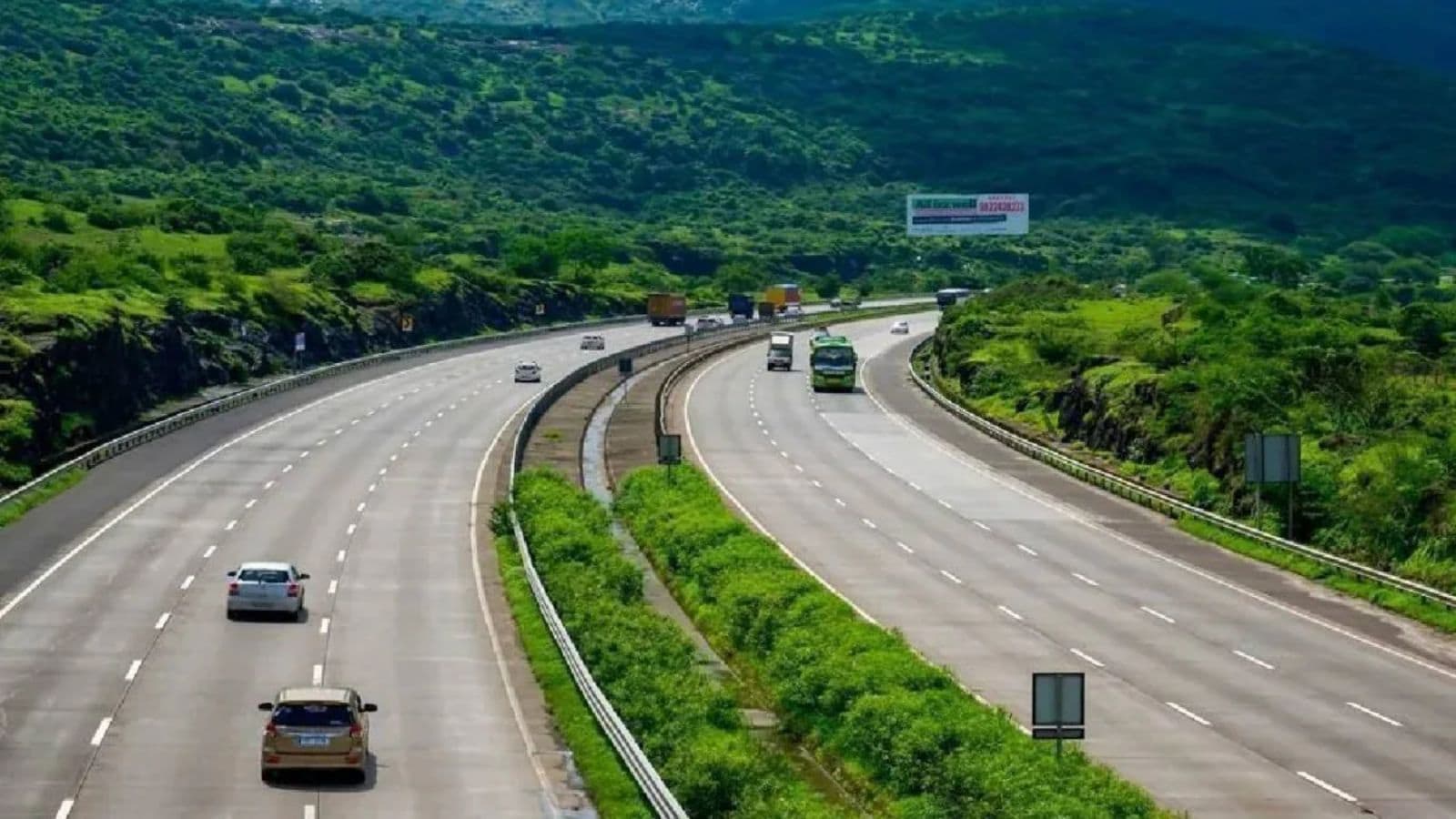
Highway travel in India is set to undergo a major transformation beginning April 10, with the government introducing a fresh set of rules aimed at tightening security, improving transparency, and streamlining toll operations. These changes will directly affect millions of commuters, truck drivers, and long-distance travellers who rely on the national highway network every day. From mandatory ID card display to a complete ban on cash transactions, the new regulations are designed to modernize the system and reduce loopholes that have long plagued highway management.
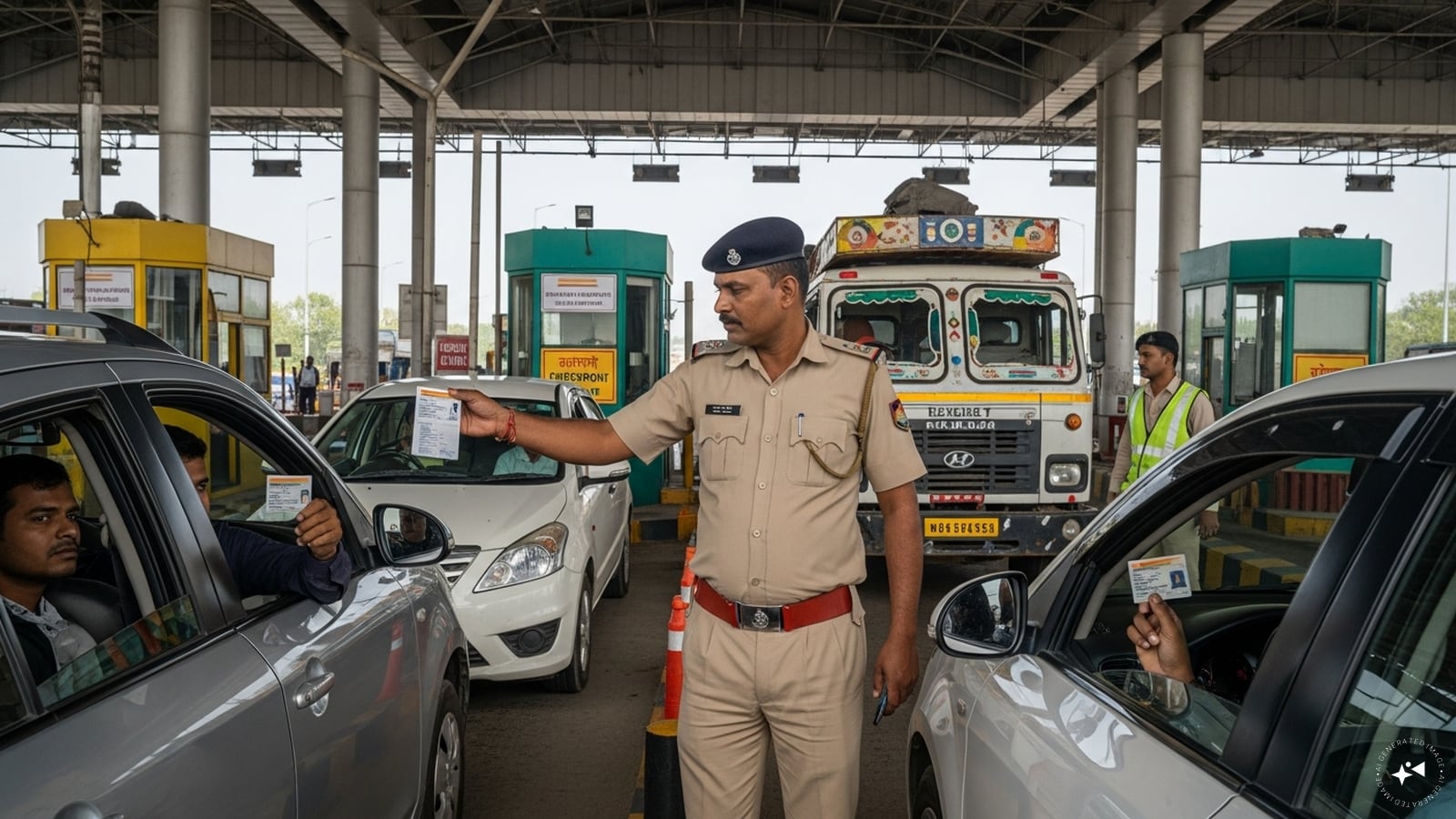
The first major change is the requirement for all travellers to carry and display a valid government-issued ID card when passing through toll plazas or highway checkpoints. This move is intended to enhance security and accountability, ensuring that every vehicle on the highway can be traced back to its owner or driver. Authorities believe this will help curb illegal activities such as vehicle theft, smuggling, and unauthorized transport operations. For regular commuters, this means keeping Aadhaar, driving license, or any other recognized ID handy at all times. Failure to produce an ID could result in fines or denial of passage.
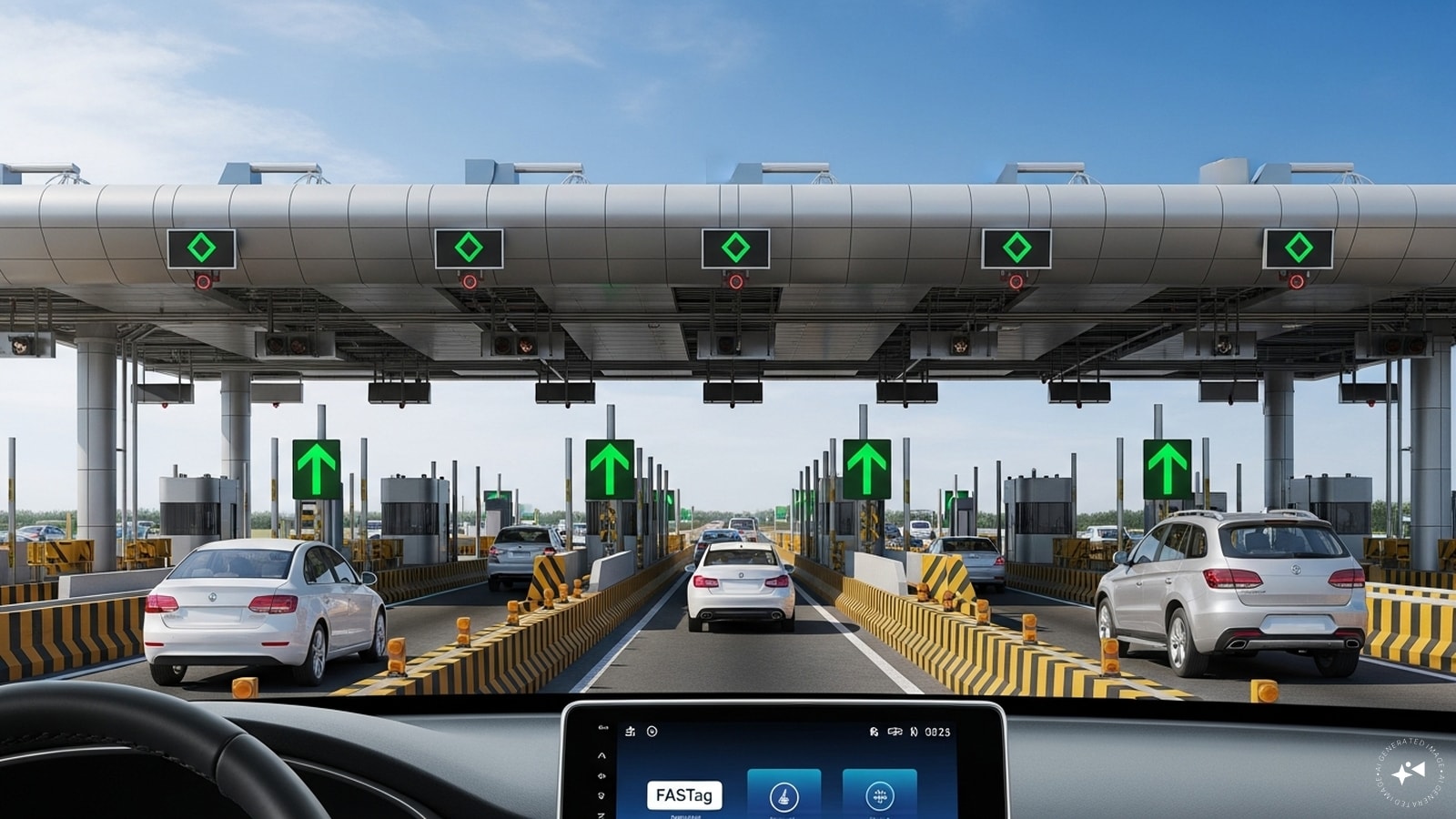
Equally significant is the government’s decision to ban cash payments at toll booths. From April 10 onward, all toll transactions must be conducted digitally, either through FASTag, UPI, debit cards, or other approved electronic payment methods. The rationale behind this move is twofold: to eliminate cash leakages that have historically led to revenue losses, and to speed up traffic flow at toll plazas. By removing cash handling, the government expects shorter queues, reduced waiting times, and a smoother travel experience. For drivers who have not yet adopted FASTag, this is a wake-up call to make the switch immediately, as cash lanes will no longer exist.
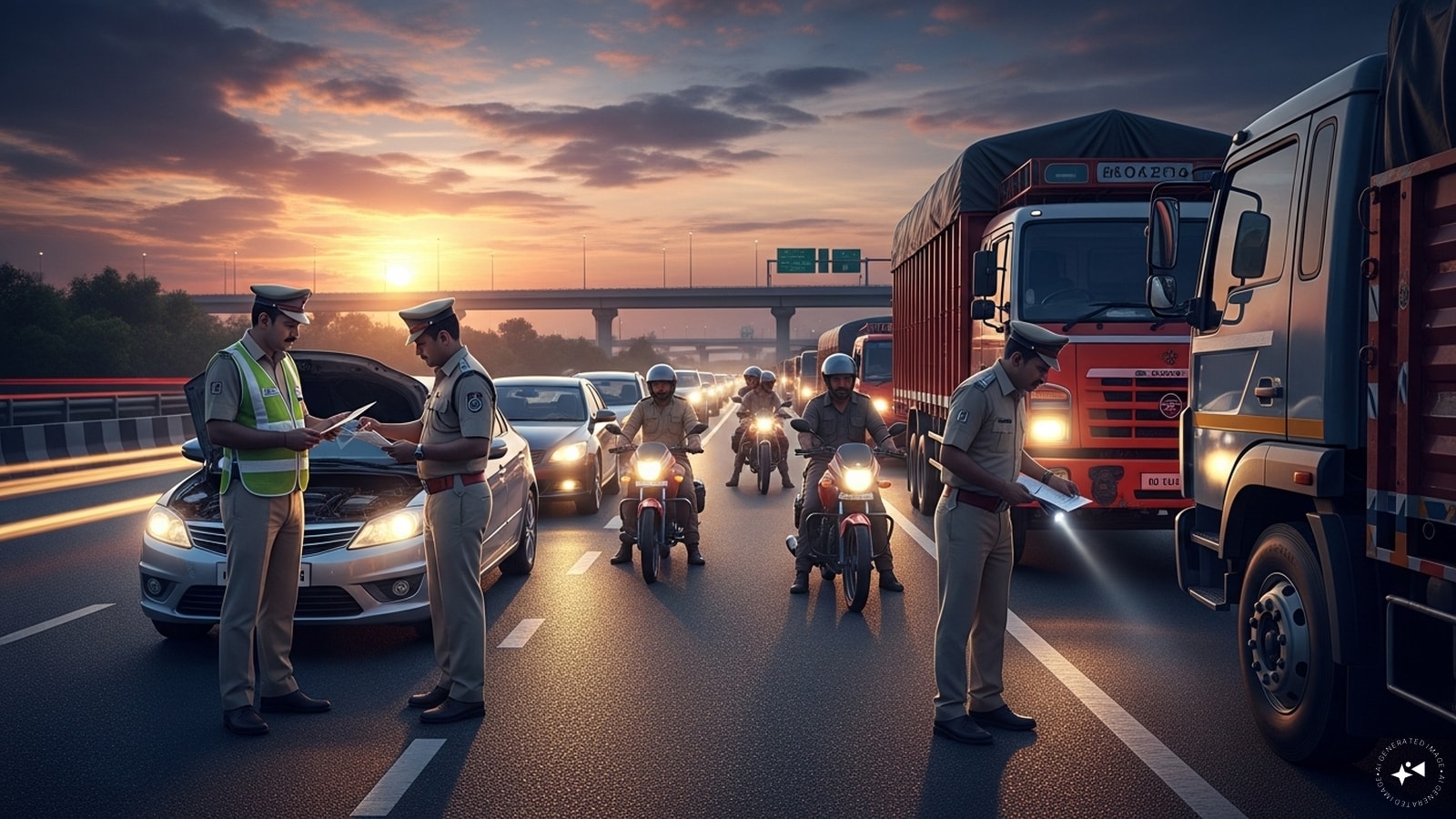
Another noteworthy rule is the stricter enforcement of vehicle documentation. Highway patrols will now conduct random checks to verify insurance papers, pollution certificates, and registration details. This is part of a broader push to ensure that only roadworthy and legally compliant vehicles are allowed on highways. The government hopes this will reduce accidents caused by poorly maintained vehicles and encourage owners to keep their paperwork up to date. Travelers should be prepared for more frequent inspections and should avoid neglecting routine compliance.
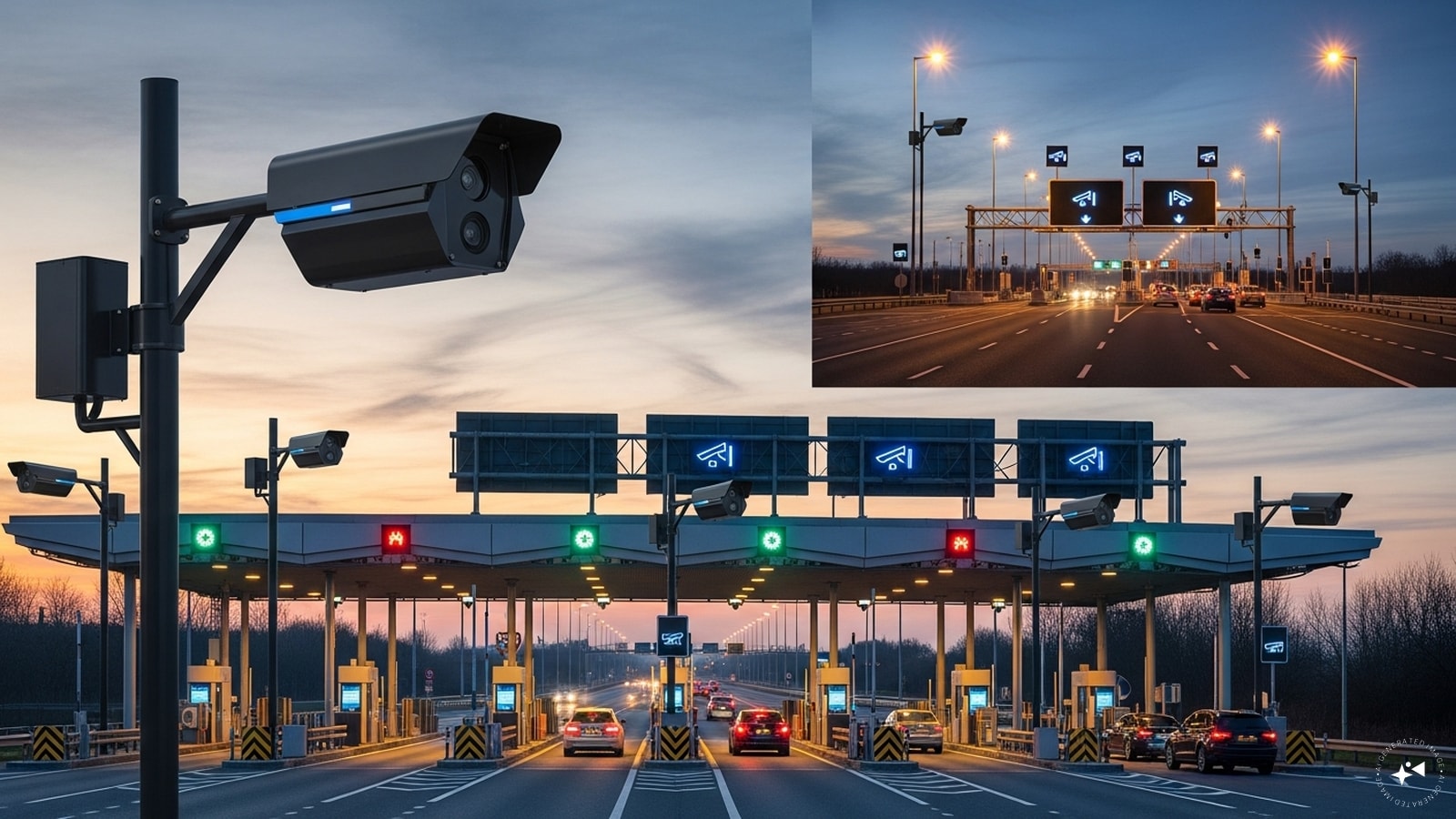
The new framework also introduces enhanced surveillance measures. Toll plazas and key highway junctions will be equipped with upgraded CCTV cameras and automated number plate recognition systems. These technologies will allow authorities to monitor traffic patterns, detect violations, and track vehicles in real time. The integration of surveillance with digital payment systems is expected to create a more transparent ecosystem where every vehicle movement and transaction is recorded. This will not only deter criminal activity but also provide valuable data for future infrastructure planning.
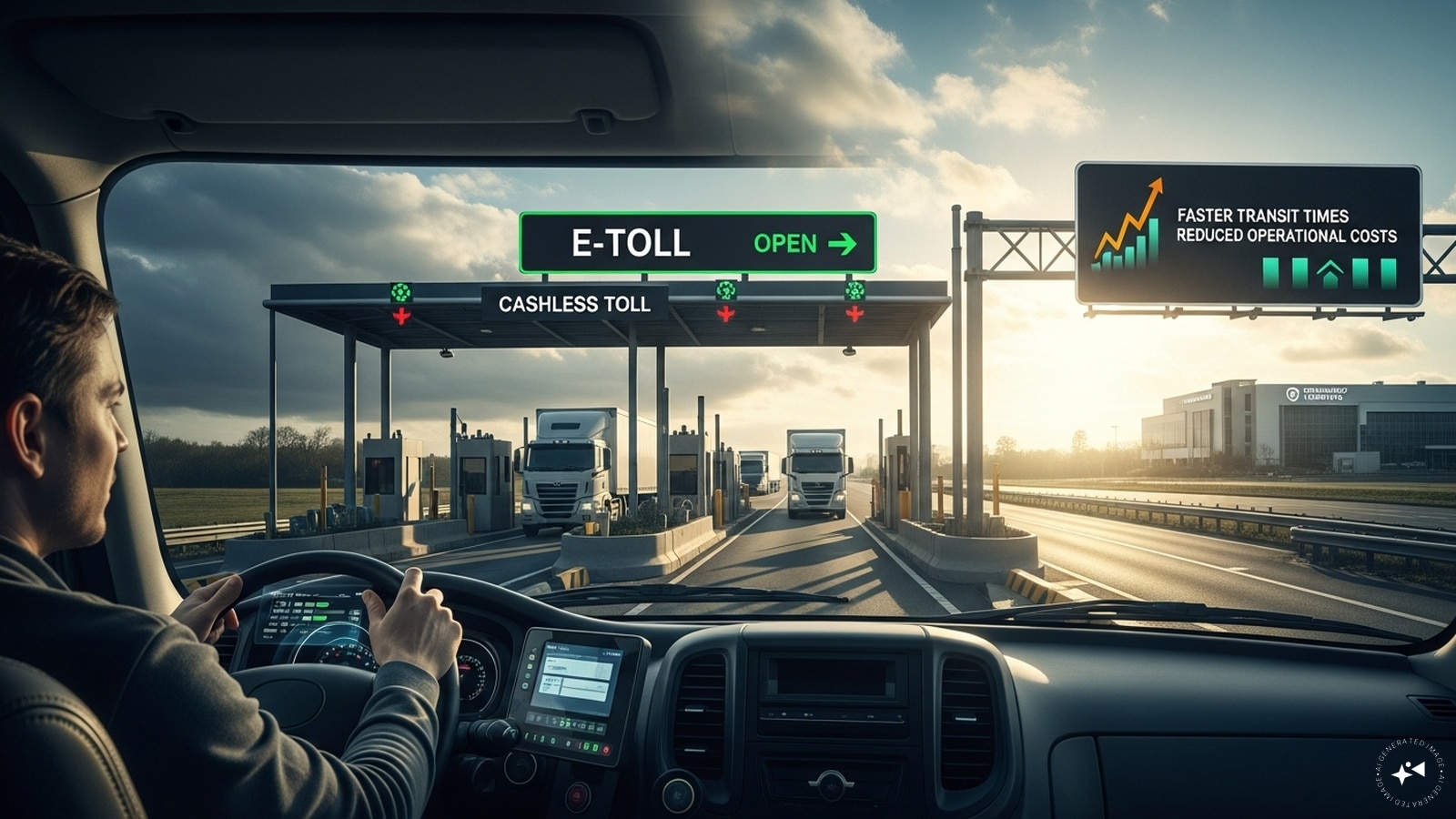
For commercial transporters, the rules bring both challenges and opportunities. On one hand, truck drivers and logistics companies will need to adapt quickly to cashless tolls and stricter ID requirements. On the other hand, the streamlined system promises faster transit times and fewer delays, which could ultimately reduce operational costs. Industry experts believe that once the initial adjustment period is over, the new rules will benefit the logistics sector by making highway travel more predictable and efficient.
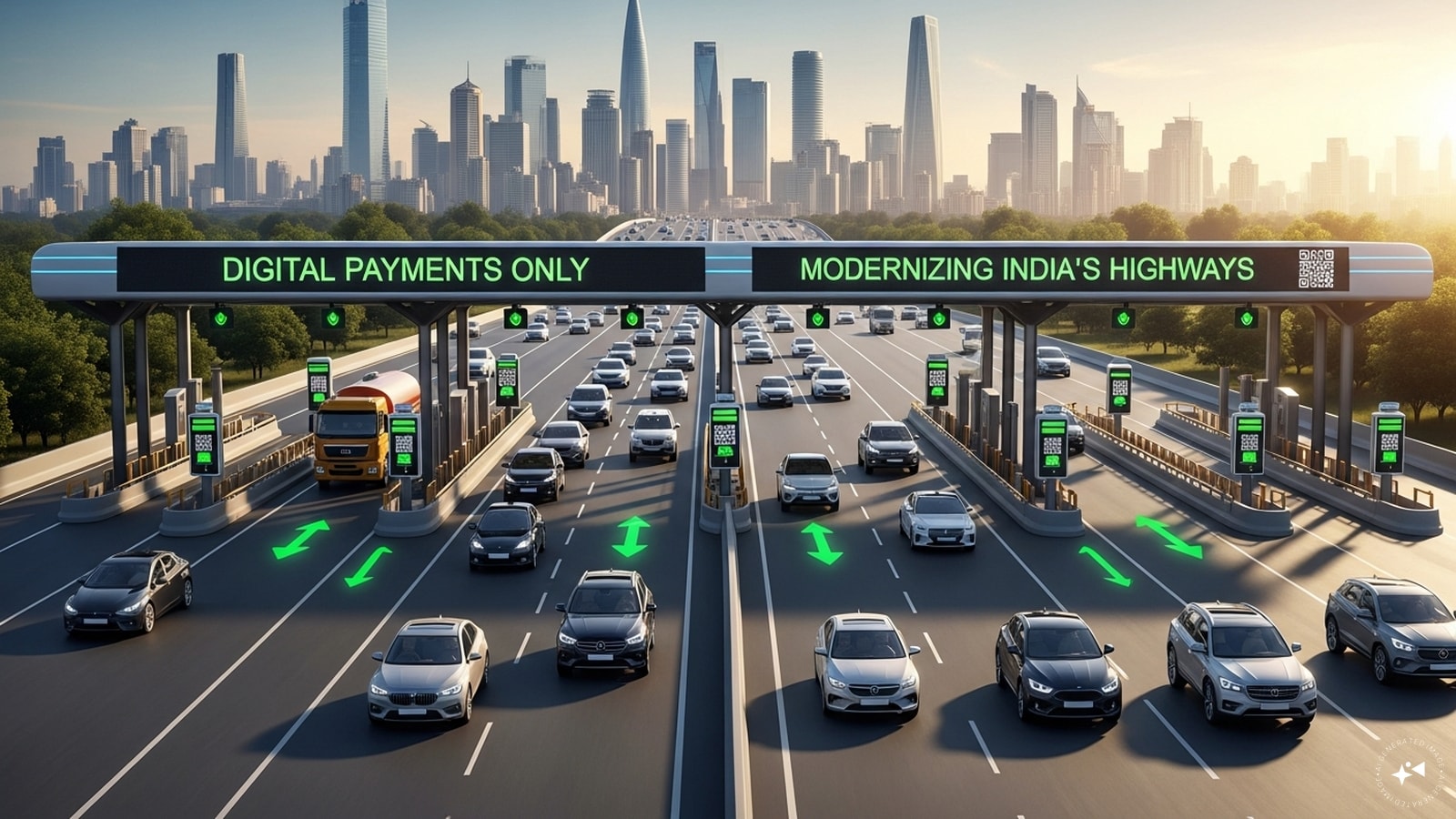
The government has also emphasized that these changes are part of a larger vision to modernize India’s highways in line with global standards. By mandating digital payments, enforcing documentation, and tightening security, the authorities aim to create a safer, faster, and more transparent travel environment. While some commuters may initially find the transition inconvenient, the long-term benefits are expected to outweigh the short-term challenges.
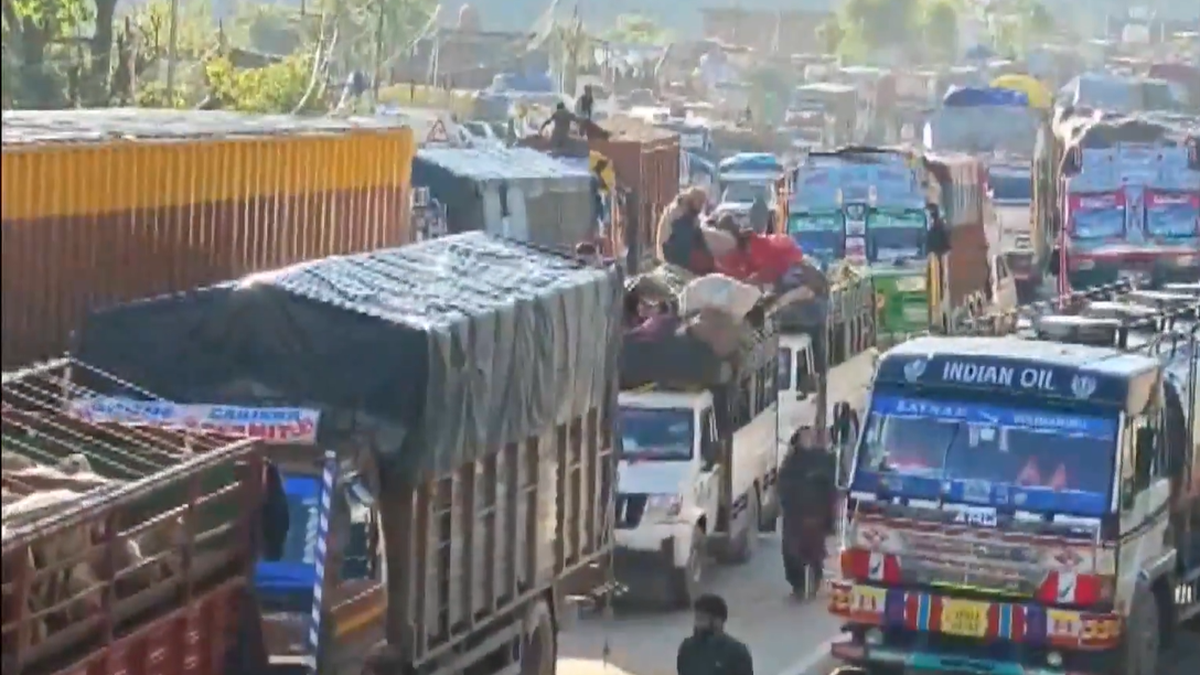
News Photogallery auto From April 10, Highway Travel To Get Stricter With New Regulations







 English (US) ·