

 1 hour ago
9
1 hour ago
9
ARTICLE AD BOX
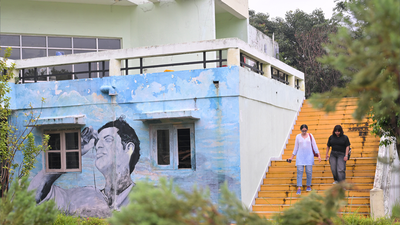
Long before audiences abroad discover them, many acclaimed independent films begin in the classrooms and editing suites of Kolkata’s Satyajit Ray Film and Television Institute (SRFTI).
Increasingly, students and alumni are taking their work to prestigious festivals, from Busan to Cannes, while securing international grants, entering co-production markets and collaborating across continents. Awards and festival selections may be more frequent today, but those at the institute believe their strength is in a culture that values artistic honesty over market trends. CT visited the sister institute of FTII, Pune, to explore the ecosystem behind its growing global success.
Saikat Sekhareswar Ray, professor & HOD, Dept of Editing says, "It is commendable that students are bringing stories from their lands to global audiences. Not just filmmakers, our cinematographers, editors and others are also making their mark."The world within...Posters of films made by students – self-funded, self-believed – lined the corridors of the Satyajit Ray Film and Television Institute alongside pantheon names such as Satyajit Ray, Abbas Kiarostami and Jean-Luc Godard.
No hierarchy was implied – in fact, none was needed. At SRFTI, the conversation between experts and students has always been linear. That much was clear within minutes of our arrival.The campus bustled around us. Students sat in clusters, debating, dissecting, doing what filmmakers do when they’re off the lens. Murals stretched across walls we walked past, film stills bled into original artwork, and somewhere deeper inside, we found a room holding 8mm cameras, 16mm relics, lenses that had seen decades of cinema pass through them.
The institute museum carried film reels, props, editing bays, and development rooms that smelled of a medium refusing to die.
Beautiful, the way archives always are. Heavy with intention and history.Tribeny Rai
“SRFTI reshaped my understanding of filmmaking, and I draw inspiration from filmmakers like Satyajit Ray and Nuri Bilge Ceylan, as well as seniors and classmates who became collaborators.” Her feature Shape of Momo, rooted in her own experiences, was built through the institute’s collaborative ecosystem. Developed largely without international funding, it has received a post-production award from NUBE Studio through NFDC Film Bazaar.She says, "I’d happily revisit experimental narratives, but the right story matters more to me than the genre. It must keep surprising & challenging me"
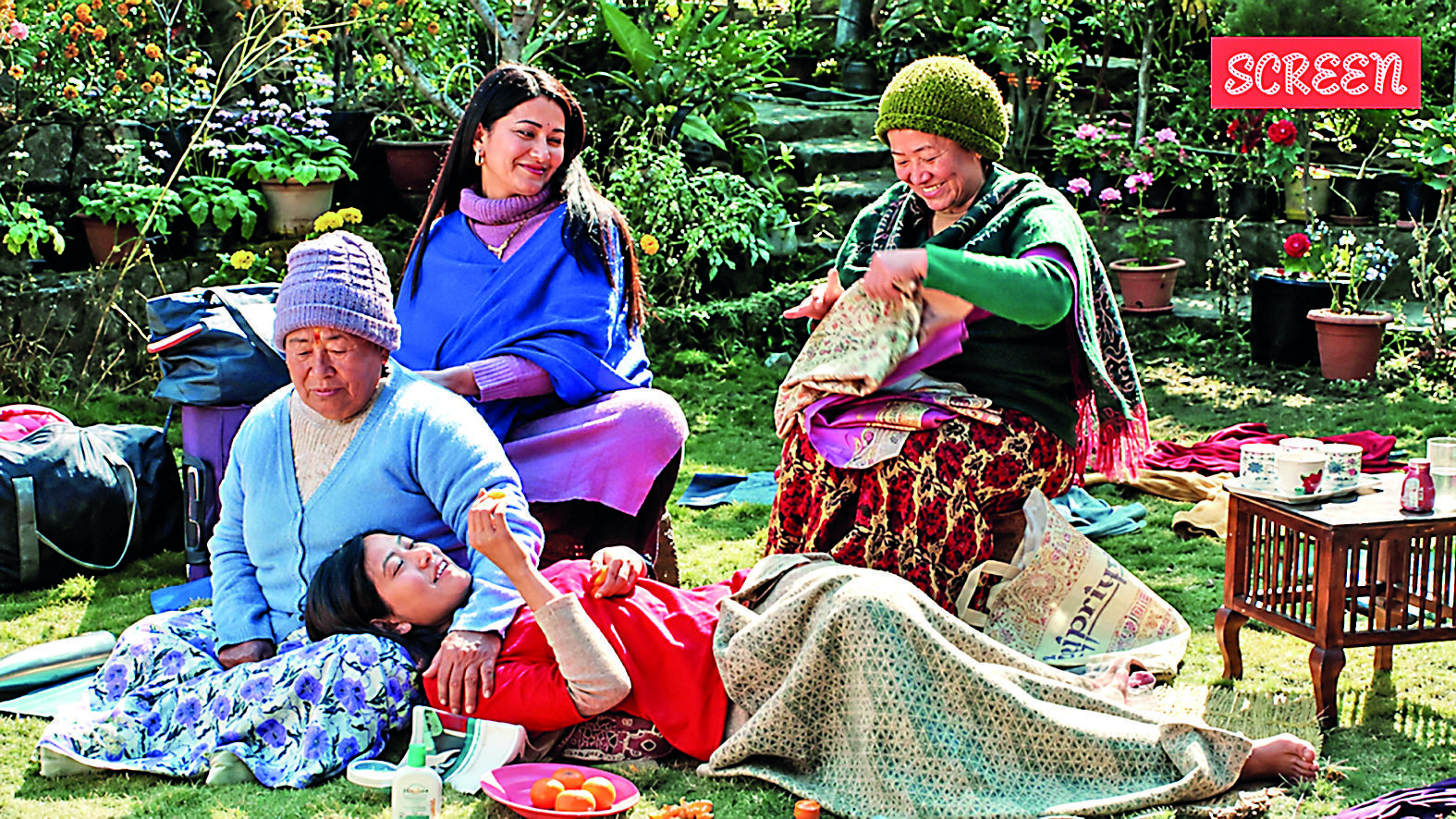
A still from Shape of Momo (2025)
Dominic Sangma
Though festivals were never his initial goal, his films have travelled from MAMI and Shanghai to Locarno, with Rapture backed by major international funds for development. He credits SRFTI as “a sacred place” where he discovered cinema, art and himself.He says, "Cinema should reveal the beauty of life, from the vastness of the universe to the smallest unseen details. That’s what interests me as a filmmaker."
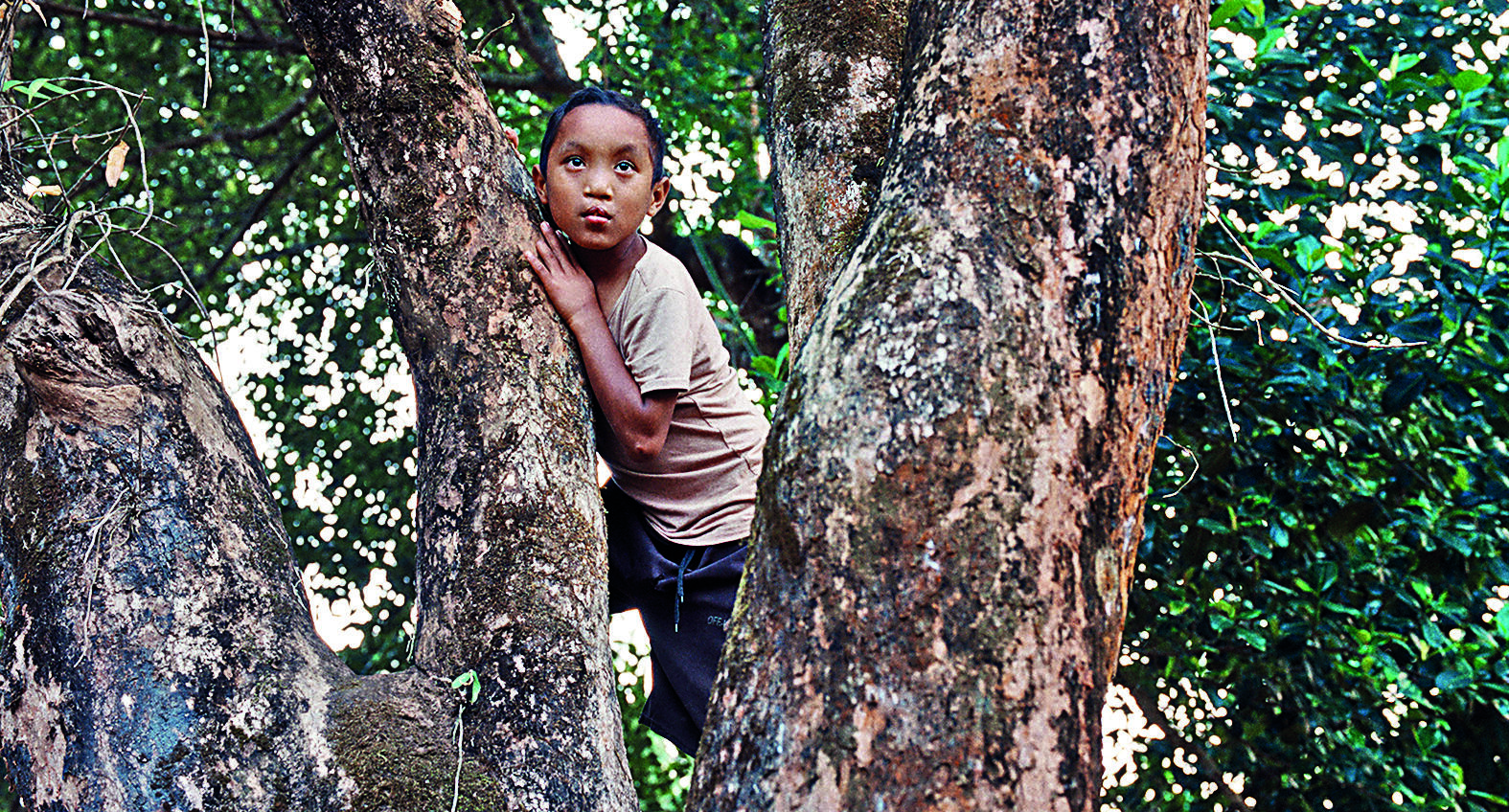
A still from Rapture (2023)
Maharshi Tuhin Kashyap
While he values festivals, he believes films should be made honestly. His acclaimed works include The Horse from Heaven (Oscar 2023 entry, VGIK, Golden Raven, BISFF winner), Flowers in a Hailstorm (NaraIFF) and Kok Kok Kokoook (Busan). He credits SRFTI with shaping both his craft and artistic identity.He says, "The festival circuit helps build connections with people who understand your work and guide your film’s journey towards co-productions."
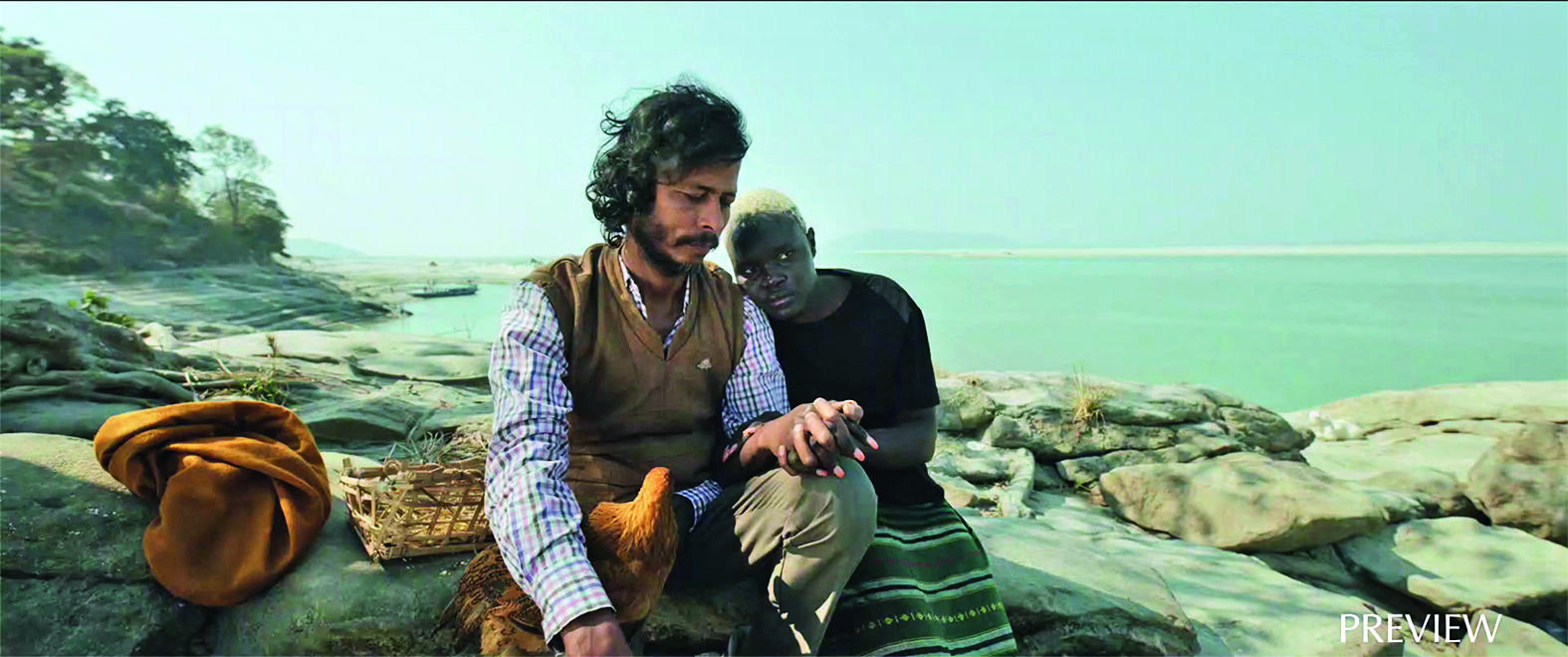
A still from Kok Kok Kokoook (2025)
Akashdeep Banerjee
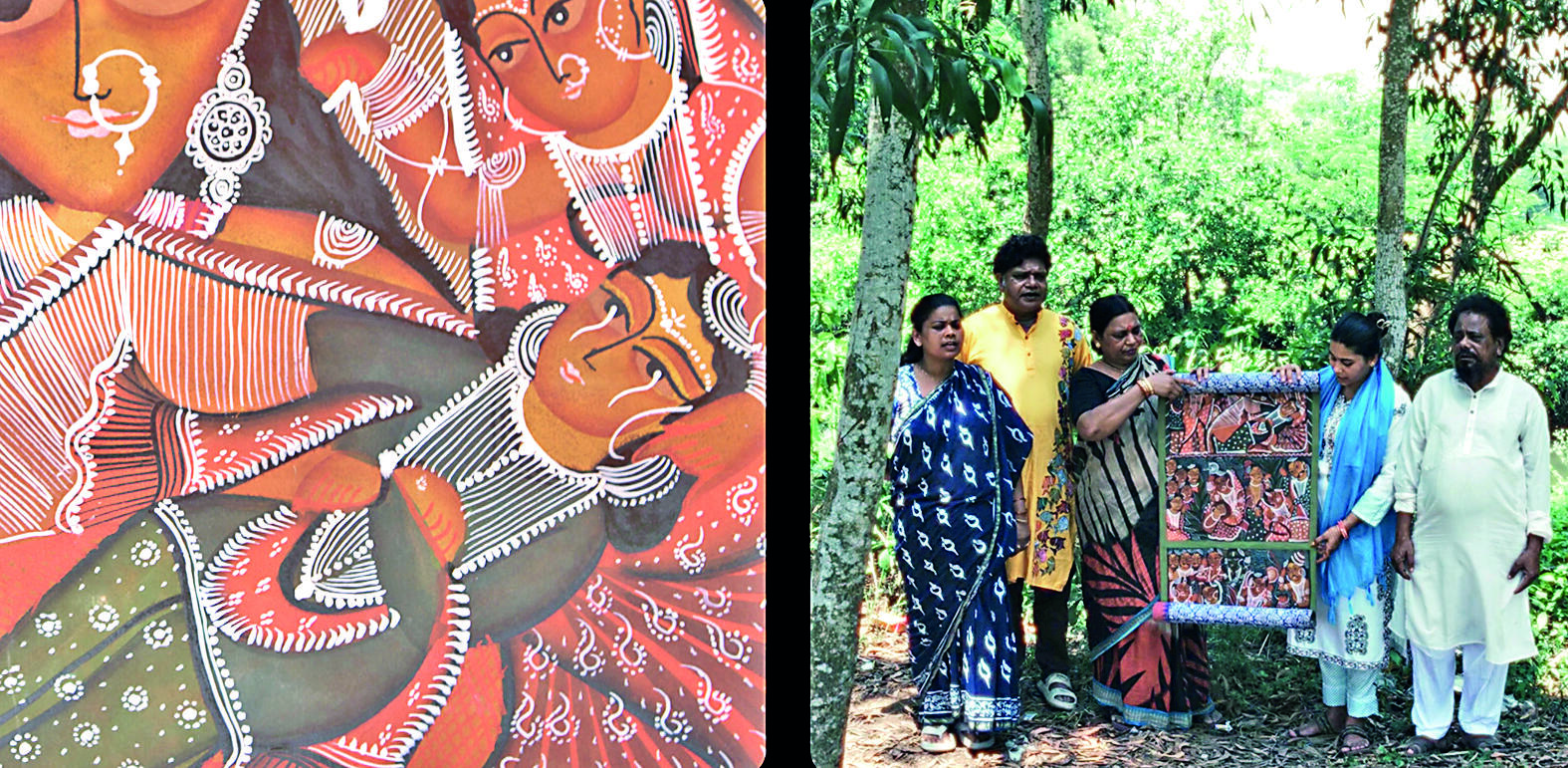
A still from Song of Behula (2026)
– with inputs by Monodeep Dey







 English (US) ·