

 1 hour ago
2
1 hour ago
2
ARTICLE AD BOX
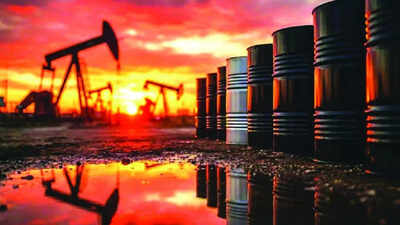
One of the world’s largest oil refineries in the United Arab Emirates has been shut down as a precaution after a drone attack near the facility, as the Middle East conflict continues to disrupt global energy supplies.The shutdown comes amid mounting fears of a broader energy crisis, with the Paris-based International Energy Agency announcing an emergency meeting of member countries to assess supply risks and consider releasing strategic oil reserves.
Ruwais refinery halts operations after drone attack
A source cited by news agency AFP said that the massive Ruwais Refinery had halted operations “out of precaution” following the attack near the industrial complex in Abu Dhabi.
Earlier, the Abu Dhabi Media Office said a drone strike caused a fire in the Ruwais Industrial City area, though officials did not confirm whether the refinery itself had been directly hit.State-owned oil giant Abu Dhabi National Oil Company (ADNOC) describes the Ruwais facility as the world’s fourth-largest single-site refinery.A driver working at the industrial complex told AFP that workers were being evacuated when fresh explosions were heard.
“Just as we were about to leave, we saw two more bursts of fire rising from the complex, with loud sounds like explosions,” the driver said, requesting anonymity.
Aramco warns of ‘catastrophic’ impact on oil markets
The escalating attacks on Gulf energy infrastructure have raised alarms among global oil producers.Saudi Aramco chief executive Amin H. Nasser warned the conflict could have “catastrophic consequences” for global energy markets.“The disruption has caused a severe chain reaction in not only shipping and insurance but there's also a drastic domino effect on aviation, agriculture, automotive and other industries,” Nasser said during a media briefing announcing Aramco’s 2025 earnings, as reported by AFP.“There would be catastrophic consequences for the world’s oil markets the longer the disruption goes on,” he added.Nasser also called for the reopening of the Strait of Hormuz, a key maritime corridor that normally carries about 20 percent of the world’s oil supplies but has been severely disrupted by the conflict.Iran has been accused of targeting energy facilities across the Gulf as it attempts to tighten control over the strategic waterway.
Energy sector under pressure across Gulf
The war has already disrupted energy operations across the region.Iranian attacks have targeted Saudi oil infrastructure, including the massive Ras Tanura Refinery complex, one of the Middle East’s largest refining hubs, forcing some operations to halt.Energy analysts warn the situation could create widespread economic fallout.“The Gulf energy sector is getting whacked from multiple angles,” said Robert Mogielnicki, a non-resident scholar at the Arab Gulf States Institute, as quoted by AFP.“Energy facilities being targeted, export capability through the strait is hampered, and storage capacity filling up,” he added.Iranian attacks have also forced QatarEnergy to halt production temporarily and declare force majeure on some exports, while energy producers in Kuwait have issued similar warnings.
Global energy watchdog calls crisis talks
Amid the growing turmoil, the International Energy Agency has called an extraordinary meeting of its member governments to review the global supply situation.IEA executive director Fatih Birol said the meeting would assess market conditions and consider releasing emergency oil reserves if necessary.“In oil markets, conditions have deteriorated in recent days,” Birol said in a statement cited by AFP.“In addition to the challenges of transit through the Strait of Hormuz, a substantial amount of oil production has been curtailed. This is creating significant and growing risks for the market.”He added that the emergency meeting would help determine whether strategic oil stocks held by IEA countries should be released to stabilise markets.
Oil markets swing wildly amid war fears
The conflict has triggered sharp swings in global energy prices.Oil prices surged nearly 30 percent earlier this week amid fears of supply disruptions before falling again after US President Donald Trump suggested the war could end soon, AFP reported.Meanwhile, officials from the Group of Seven countries have also begun discussing whether strategic oil reserves should be released to stabilise global energy markets.French President Emmanuel Macron said the G7 would continue consultations this week on possible emergency measures to deal with the mounting energy crisis.







 English (US) ·