

 1 hour ago
7
1 hour ago
7
ARTICLE AD BOX
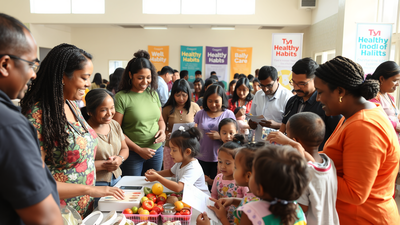
Representative image (AI)
NEW DELHI: Newborns and young children identified as being at high health risk will receive more intensive homebased care, including additional follow-up visits by frontline health workers, under a new national programme that the Centre will launch Monday to strengthen care during the first three years of life.
Health minister JP Nadda will launch Samagra Shishu Bal Swasthya Karyakram during Central Council of Health and Family Welfare’s meeting. The programme brings together the existing HomeBased Newborn Care and Home-Based Care for Young Child schemes into a single framework covering children from birth to 36 months. For the first time, the programme introduces a riskstratified care model. Newborns identified as “at risk” will receive up to nine home visits during the first 42 days of life, while at-risk children will receive up to eight home visits up to the age of three years.
The additional visits are intended to ensure early identification of health problems, timely referrals and closer follow-up of vulnerable children. The programme will also strengthen coordination among ASHAs, auxiliary nurse midwives, community health officers and anganwadi workers through joint home visits. It will introduce well-baby sessions during village health, sanitation and nutrition days and monthly Shishu Shivirs to identify and monitor children requiring additional care.
In another significant addition, Samagra Shishu Bal Swasthya Karyakram incorporates post-partum maternal mental health screening into routine community-based care and integrates nurturing care for early childhood development by promoting responsive caregiving, early learning, age-appropriate play and family engagement during home visits








 English (US) ·