

 1 week ago
4
1 week ago
4
ARTICLE AD BOX
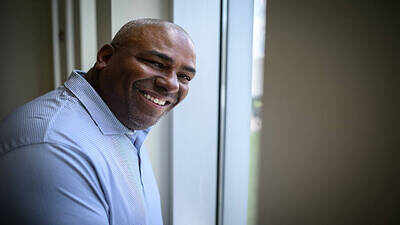
Bobby Bonilla poses for a portrait on Thursday, June 26, 2025 in Tampa, Fla. July 1 is known as "Bobby Bonilla Day" amongst Major League Baseball fans - the day he receives a $1.19 million payout annually until 2035. (Photo by Thomas Simonetti for The Washington Post via Getty Images)
Each July 1, Bobby Bonilla Day is here, as the former Mets outfielder cashes another yearly check from New York. The 63-year-old is pulling in about $1.19 million in 2026 under a deal he signed in 1999, keeping one of MLB’s more unique contracts in the news.Bonilla last played in 2001, but his deferred deal remains notable for its combination of long-term interest, payroll strategy and a payment schedule that runs through 2035. And it serves as a reminder to baseball fans that Bonilla was a productive hitter who hit 287 home runs and had multiple All-Star seasons.
Bobby Bonilla Day explained: Why the New York Mets still pay their former star
The Mets still pay Bonilla because they deferred about $5.9 million due in 1999, and agreed to 8% interest.
That decision made the original amount equivalent to annual payments of about $1.19 million each July 1 through 2035.
| Key detail | Figure |
| Annual payment | $1.19 million |
| Final payment | July 1, 2035 |
| Bonilla age in 2026 | 63 |
Why the New York Mets still pay Bobby Bonilla
Bonilla traded short-term cash for sure long-term income. It provided a steady income stream for him long after he had retired and is one of the clearest examples of how deferred money can work out to a player’s advantage over time.Also, the structure offered Bonilla financial security at a time when many players worry about life after baseball.
He agreed to a contract that would pay him decades later instead of taking all the remaining money all at once.
Why Bobby Bonilla contract still matters in MLB
The Mets’ final payment is due in 2035. Bonilla will be 72 years old. That’s a big part of why the deal remains such a popular sports-business story: the long timeline.The deal also was a lesson in baseball finance. The Mets thought they could get a better return by putting the money to work elsewhere, but that rationale went out the window after the Bernard Madoff scandal.
Still, they were on the hook legally for Bonilla’s contract, and continued to pay him on schedule.
| Contract fact | Detail |
| Original amount | About $5.9 million |
| Interest rate | 8% |
| Payment start year | 2011 |
| Payment end year | 2035 |
Bonilla was more than a contract story. All of which add up to a strong and durable career, with a .279 batting average, 287 home runs and 1,173 RBIs in 2,010 games.He played for the Pirates, Mets, Orioles, Marlins, Dodgers, Braves and Cardinals. His best years were in Pittsburgh when he developed into one of the best switch hitters in the league.Deferred deals are still counted, as they help teams manage payroll and help players secure their finances. Similar arrangements have appeared in contracts involving Manny Ramirez, Chris Davis, and Christian Yelich.The deal also altered baseball’s attitude toward long-term money. Teams got more conservative with deferred salaries, and players and agents became more aware of the value of guaranteed future income.
Why Bobby Bonilla Day still resonates with fans
For fans, Bobby Bonilla Day is a simple but unforgettable reminder that one contract can outlive an entire playing career and still dominate conversations in Major League Baseball every summer.









 English (US) ·