

 1 hour ago
5
1 hour ago
5
ARTICLE AD BOX
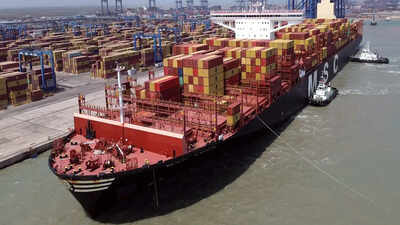
Kuwait has asked its energy customers to pick up refined petroleum directly from its ports as the US and Iran aim for a final agreement within 60 days, adding to signs that cement the opening of the Hormuz Strait.
The country is situated deep inside the Persian Gulf and is among the worst-hit economies due to the conflict.According to Bloomberg, the National Oil Company, Kuwait Petroleum Corporation, issued a tender to sell naphtha, a specific kind of refined petroleum to make gasoline and plastics, asking buyers to pass through the Strait with their own vessels. During the conflict, Kuwait Petroleum previously shipped liquefied petroleum gas through the Strait of Hormuz with its own ships.The move is yet another example that the Middle East is moving towards peace. In a joint statement issued on Monday, after the Lake Lucerne summit in Switzerland, the US and Iran announced the establishment of a communication line to “avoid incidents and miscommunication” in the Strait of Hormuz.Additionally, Iran has committed to facilitating the movement of commercial ships through the strait, without imposing transit fees during the 60-day negotiation period.
As per Bloomberg, Kuwait Petroleum CEO Sheikh Nawaf Al-Sabah said the company had started boosting oil output and lifted all the force majeure notices, which allowed producers to not honour contractual commitments, issued during the war.The reopening of the Strait of Hormuz is expected to release a significant volume of crude that accumulated during the conflict. According to Kpler, as much as 93 million barrels of non-Iranian oil remained stranded in the Persian Gulf due to shipping disruptions.Brent crude has fallen sharply from the highs recorded during the conflict. However, analysts caution that physical oil flows may take weeks or even months to fully normalise because shipowners, insurers and port operators remain cautious about security risks in the region.While a complete recovery could take several months, Goldman Sachs expects Gulf exports to return to pre-war levels by the end of JulyDespite these positive signals, uncertainty remains. Shipping through the Strait of Hormuz has continued to fluctuate amid tensions linked to developments in Lebanon and ongoing negotiations between Washington and Tehran.Reuters noted that refined fuel markets remain tighter than crude markets, meaning fuel prices may not fall as quickly as crude oil prices even if the Strait remains open.








 English (US) ·