

 1 hour ago
6
1 hour ago
6
ARTICLE AD BOX
Last Updated:April 08, 2026, 11:43 IST
Russia blames US and Israel for the Strait of Hormuz crisis as it and China veto a UN resolution to reopen the vital oil route, the US warns it may still act in self defense


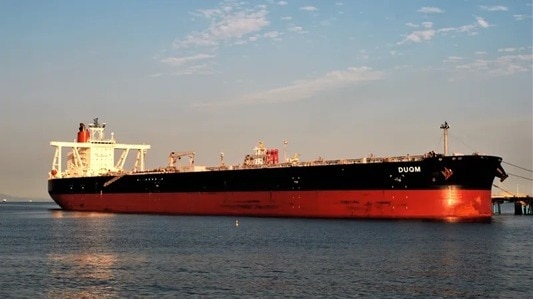
The Strait of Hormuz includes eight major islands, most of which are controlled by Iran. (Image: Reuters)
Russia on Tuesday accused the United States and Israel of triggering the crisis in the Strait of Hormuz, telling the UN Security Council that the disruption followed their military strikes on Iran.
“The Strait of Hormuz was open until your military strikes on Iran. Trump now demands it reopen as a ceasefire condition, but you created the disruption you’re complaining about," Russia said during the session.
The remarks came as Russia and China vetoed a Western-backed resolution calling for the reopening of the critical shipping route. The draft, prepared by Bahrain and supported by the United States, received 11 votes in favour but failed to pass after two countries voted against and two abstained.
The resolution had already been diluted, removing provisions sought by Gulf states that would have allowed the use of force to secure the waterway.
At the UN Security Council, Russia Slamed the US & Israel:“The Strait of Hormuz was open until your military strikes on Iran.
Trump now demands it reopen as a ceasefire condition — but you created the disruption you’re complaining about."
Russia and China while vetoing the… pic.twitter.com/CtnV0JjPpV
— Megh Updates 🚨™ (@MeghUpdates) April 8, 2026
The vote took place hours before US President Donald Trump’s deadline for Iran to reopen the Strait of Hormuz, a route that carries nearly a fifth of the world’s oil. Iran has effectively blocked the strait since the US and Israel launched military action on February 28, triggering global economic concerns.
Following the vote, US Ambassador Mike Waltz said the outcome would not restrict Washington from acting in self-defense or in defence of its allies.
Bahrain’s Foreign Minister Abdullatif bin Rashid Al Zayani, speaking on behalf of Gulf nations, said the failure to pass the resolution sent “the wrong signal to the world," warning it could embolden threats to international waterways.
Iran’s UN Ambassador Amir Saeid Iravani opposed the resolution, calling it an attempt to “punish the victim" and warning it could be used to justify further use of force in violation of international law.
First Published:
April 08, 2026, 11:43 IST
News world 'Hormuz Was Open Until You Struck On Iran': Russia Slams US, Israel At UNSC
Disclaimer: Comments reflect users’ views, not News18’s. Please keep discussions respectful and constructive. Abusive, defamatory, or illegal comments will be removed. News18 may disable any comment at its discretion. By posting, you agree to our Terms of Use and Privacy Policy.
Read More






 English (US) ·