

 1 hour ago
2
1 hour ago
2
ARTICLE AD BOX
Last Updated:March 11, 2026, 14:42 IST
When oil prices increase globally, India's middle-class families feel the squeeze twice over: when they use gas cylinders to cook and when they use fuel to travel


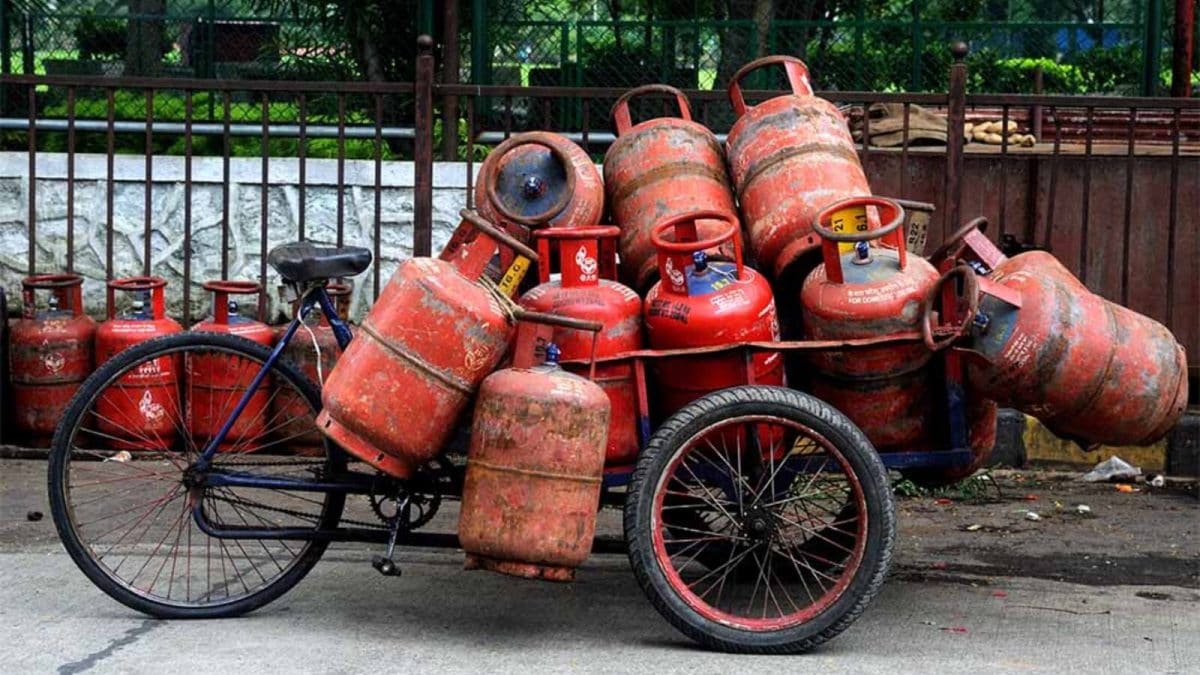
The shift towards cleaner cooking fuels and greater mobility has improved living standards across India but it has also tied household finances more closely to global oil markets. (AI-Generated Image)
If you thought a war happening thousands of kilometres away would not impact the cost of cooking your evening meal or the cost of travel to work in India, think again. With an increase in oil prices globally owing to tensions in West Asia, Indian families find themselves in a tight squeeze.
According to economist and member of the Prime Minister’s Economic Advisory Council, Shamika Ravi, Indian families are now facing what she calls “Dual Petroleum Dependency". This means that families rely on petroleum products for not one but two critical aspects of their lives: fuelling their vehicles and fuelling their gas cylinders.
The dual petroleum dependency: Indian households now depend on petroleum products for both cooking (LPG) & transport (petrol, diesel, fares). Together, LPG + Conveyance account for 7.5–10.2% of monthly budgets. This makes our households doubly exposed to any oil supply disruption…— Prof. Shamika Ravi (@ShamikaRavi) March 10, 2026
Simply put, Indian families now spend 7.5 to 10.2 per cent of their monthly expenses on LPG cylinders and conveyance (petrol, diesel, auto fares, bus and train travel). This means when oil prices increase globally, India’s middle-class families feel the squeeze twice over: when they use gas cylinders to cook and when they use fuel to travel.
According to an analysis of data provided by Ravi, the situation was quite different a decade ago. “In 2011, only 17 per cent of rural households used LPG for cooking. Today, over 53 per cent of rural households use LPG for cooking, which is a massive increase in cleaner cooking fuel use. Similarly, in urban areas, the use of LPG for cooking has increased from 71 percent to almost 90 per cent."
The government schemes that provided LPG connections to people, such as “Pradhan Mantri Ujjwala Yojana (PMUY)", have helped in reducing air pollution and improving living standards. But at the same time, it has led to a situation where people are dependent on petroleum products, which are determined by external forces.
To add to the pinch, the cost of transportation has risen sharply. Ravi writes, “In urban India, conveyance has become the single largest item of expenditure, ahead of cereals and milk. In rural India, the second-largest item of expenditure is transport."
This means the rise in fuel prices affects almost every aspect of one’s life, starting with the food one eats and the journey one undertakes to reach the workplace.
In the wake of the tensions in West Asia, there has been disruption in the flow of energy, particularly through the Strait of Hormuz, which is one of the most important routes in the world for the flow of oil and gas. This route carries a significant amount of energy supplies, including those meant for India.
To assuage the fears of the public, the Minister of Petroleum and Natural Gas, Hardeep Singh Puri, has said, “No shortage of energy in India and no cause for concern for consumers. We have invoked the provisions of the Essential Commodities Act and directed oil refineries and oil marketing companies to prioritise LPG production and supply for cooking requirements."
However, the concern has already resulted in panic buying of LPG gas cylinders in parts of the country.
According to Open magazine, the price of a 14.2kg domestic LPG gas cylinder, which usually costs around Rs 853, has been raised by around Rs 60, making the cost in Delhi around Rs 913, as energy prices have gone up worldwide with tensions rising in West Asia and the possibility of disruption in the key shipping lane, the Strait of Hormuz.
The increase, on the face of it, seems small, but for those households that use one or two cylinders on average, the increase will soon add up. Coupled with the hike in transportation costs, which are also essential, the scope for cutting down on expenditure is limited.
Ravi’s analysis thus reveals an irony—the shift towards cleaner cooking fuels and greater mobility has improved living standards across India, but it has also tied household finances more closely to global oil markets. As a result, every spike in energy prices—whether caused by war, supply disruptions or geopolitical tensions—now carries a deeper impact on Indian households than it did a decade ago.
First Published:
March 11, 2026, 14:42 IST
News explainers 'Households Doubly Exposed': Why Global Oil Shocks Are Squeezing India's Middle Class Twice
Disclaimer: Comments reflect users’ views, not News18’s. Please keep discussions respectful and constructive. Abusive, defamatory, or illegal comments will be removed. News18 may disable any comment at its discretion. By posting, you agree to our Terms of Use and Privacy Policy.
Read More





 English (US) ·