

 40 minutes ago
4
40 minutes ago
4
ARTICLE AD BOX
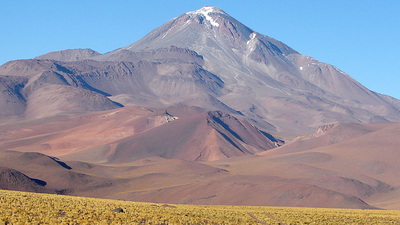
Volcán Llullaillaco | Wikimedia Commons
At more than 22,000 feet above sea level, conditions become hostile to almost all forms of mammalian life. Oxygen levels are less than half of those at sea level, temperatures remain below freezing for much of the year, and vegetation is sparse across volcanic slopes.
Yet the Andean leaf-eared mouse (Phyllotis vaccarum) has repeatedly been found living on the summit of Volcán Llullaillaco in the Andes at an astonishing 22,110 feet (6,739 meters), making it the highest-dwelling mammal ever documented. The discovery challenged long-held assumptions about the upper limits of vertebrate life, prompting scientists to investigate how such a tiny animal survives where even experienced mountaineers struggle. New research published in Science suggests the answer lies in a combination of specialized metabolism, efficient oxygen use, and an unexpected ability to thrive on toxic mountain plants. According to the Journal of Mammalogy, repeated scientific expeditions have confirmed that self-sustaining populations of these mice inhabit elevations above 6,000 meters, setting the highest verified elevational record for any terrestrial vertebrate.
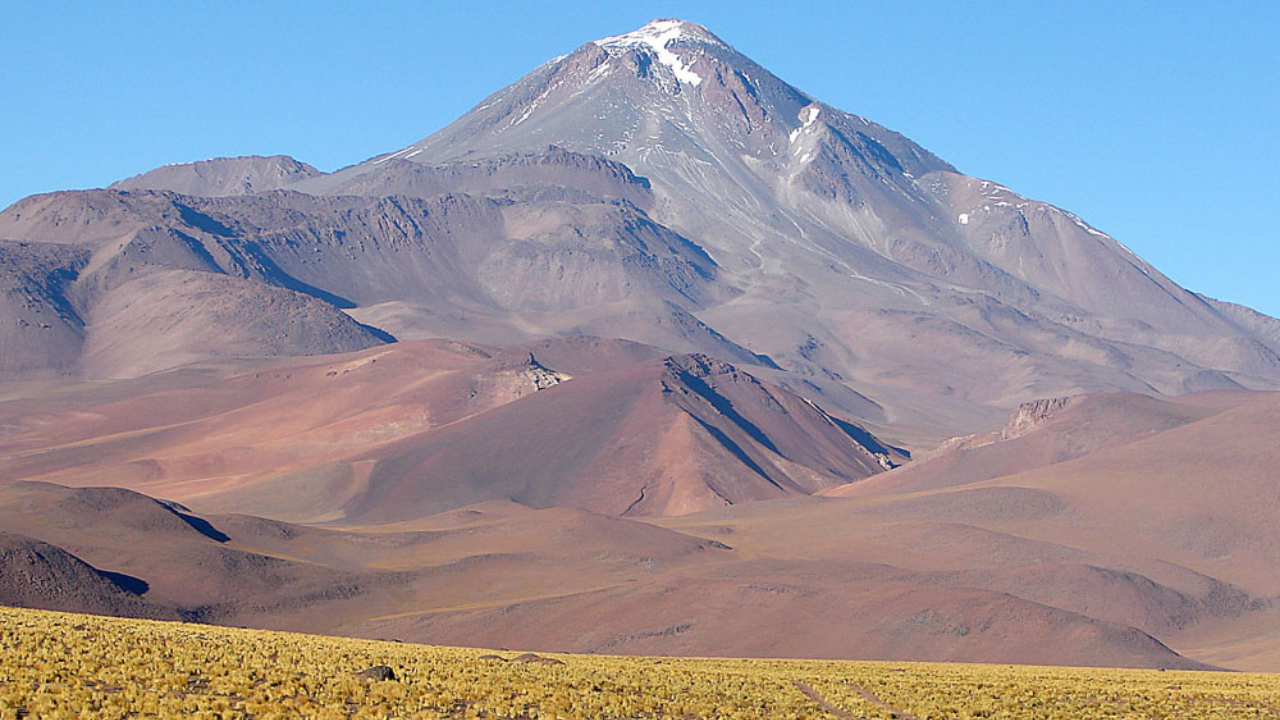
Volcán Llullaillaco | Wikimedia Commons
Built to survive where oxygen is scarceTo understand how the mice cope with extreme altitude, researchers compared the genomes of 167 animals collected from both lowland and highland populations before studying them in laboratory chambers designed to recreate freezing, oxygen-poor mountain conditions.
The high-altitude mice consistently performed better under hypoxic stress. They consumed oxygen more efficiently, generated more heat through shivering, and showed greater activity in brown adipose tissue, the specialized fat responsible for producing body heat.
Scientists also identified increased activity in genes that protect the heart while it works harder to circulate limited oxygen throughout the body.
Even the species’ unusually large ears may play a role by improving communication through high-frequency vocalizations that travel more effectively in thin mountain air. Together, these adaptations allow the mice to maintain body temperature and metabolic activity despite living in one of Earth’s harshest terrestrial environments. In fact, many of the strongest genetic signals were linked to oxygen transport, heat production, and cardiovascular protection under chronic hypoxic cold stress.Poisonous plants became part of the solutionThe research revealed another adaptation few scientists expected. Food at these elevations consists mainly of lichens and hardy alpine vegetation growing on volcanic terrain, where plants often contain natural toxins and accumulate heavy metals from the surrounding soil. Instead of avoiding these food sources, the leaf-eared mouse appears genetically equipped to process them.
Researchers identified several detoxification genes that were significantly more active in highland populations, allowing the animals to metabolize toxic compounds that would challenge many other mammals.
They also found that mice from lower elevations relied on different detoxification pathways, reflecting differences in the plants available across the species’ range. Earlier dietary studies using DNA metabarcoding and stable isotope analysis reached a similar conclusion.
Rather than surviving on insects blown up the mountainside, summit-dwelling mice feed primarily on lichens and other sparse vegetation, demonstrating that their digestive system has evolved alongside their extreme habitat. According to Ecology and Evolution, dietary analysis of mice collected near the summit of Llullaillaco confirmed an overwhelmingly herbivorous diet dominated by lichens despite the scarcity of plant life at such elevations.
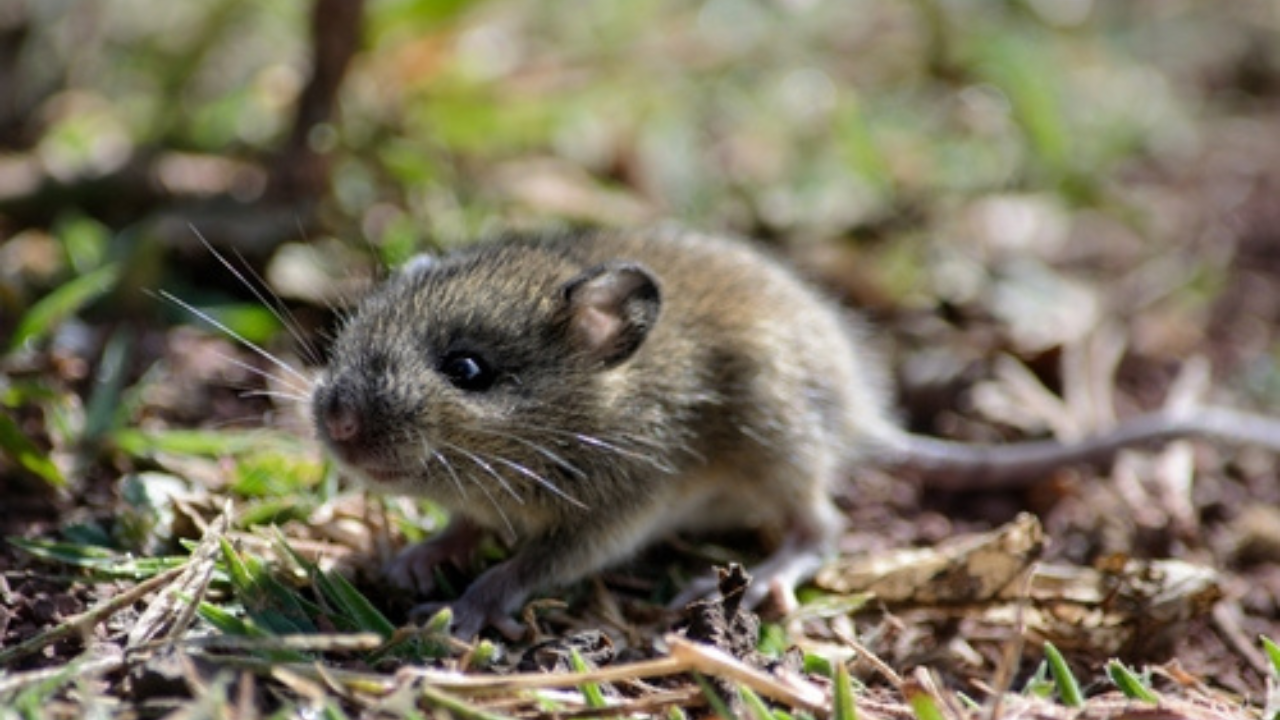
Genus Andinomys | iNaturalist
A new benchmark for life at extreme altitudeRather than relying on a single extraordinary adaptation, the Andean leaf-eared mouse combines efficient oxygen use, enhanced heat production, cardiovascular resilience and specialized detoxification systems into a package that allows it to flourish where virtually no other vertebrate can persist. Researchers believe these discoveries could improve understanding of how mammals adapt to chronic oxygen deprivation and may even offer insights into human physiology at high altitude.
What once appeared to be an impossible environment has instead become home to one of nature’s most remarkable survival specialists.









 English (US) ·