

 56 minutes ago
8
56 minutes ago
8
ARTICLE AD BOX
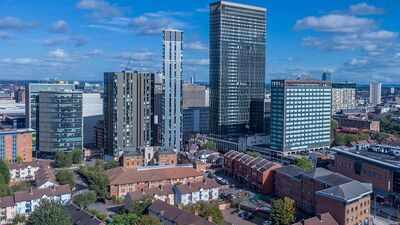
Walk through central Birmingham today, and it is easy to think of the city as a product of railways, factories, shopping districts and modern development. Yet the name Birmingham itself reaches back far beyond the industrial era.
Long before the city became known for manufacturing and innovation, it existed as a small settlement whose identity was tied to a local community and its leader.The origins of place names often reveal fragments of early history that would otherwise be lost. Birmingham is one such example. Its name preserves evidence of the Anglo-Saxon communities that settled across England after the end of Roman rule. While much about those early inhabitants remains uncertain, the city's name has survived for centuries, carrying clues about who lived there and how the settlement first emerged.
According to the University of Birmingham, the city's name is believed to originate from an Anglo-Saxon settlement known as "Beormingaham", a term associated with the people of a figure named Beorma.
The origin of Birmingham's name: From Beormingaham to Birmingham
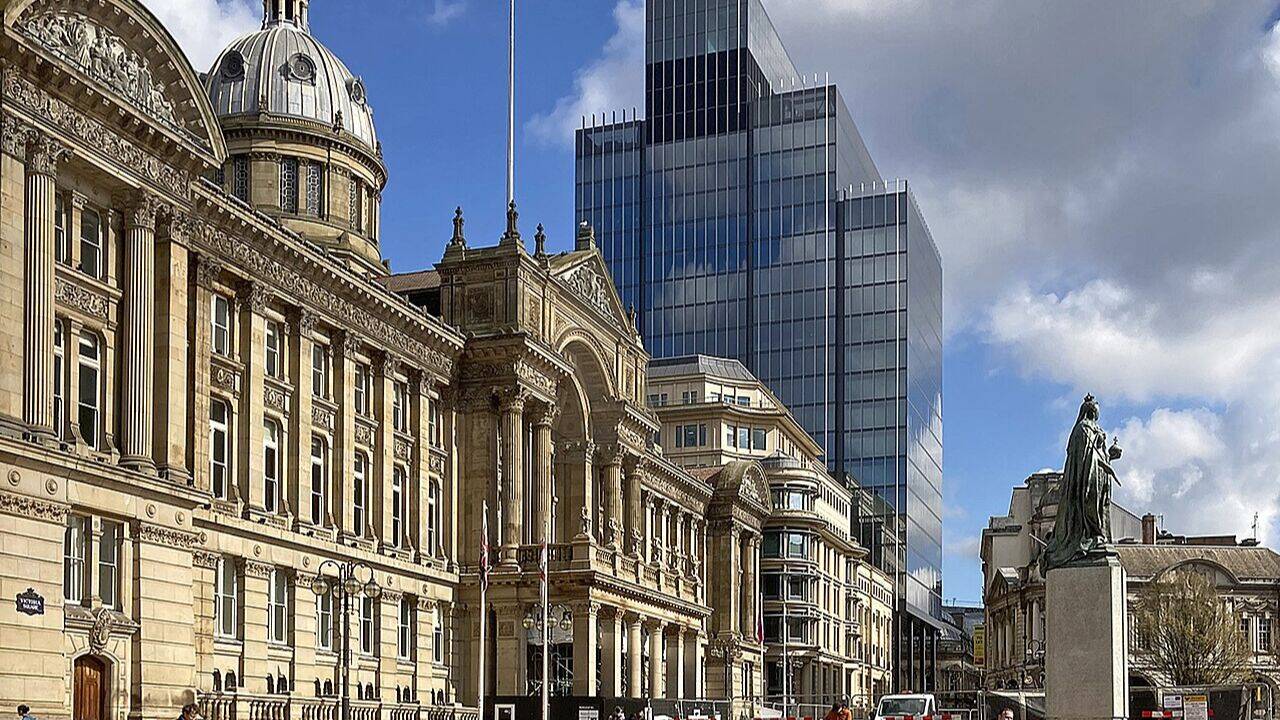
pc:wikipedia
The earliest form of Birmingham's name appears very different from the modern spelling. Historians generally trace it to the Old English word Beormingaham. Although spellings varied across medieval records, the name is widely interpreted as referring to the settlement of Beorma's people.
In Old English naming traditions, the element "-ing" often indicated a group of people connected to a particular individual, while "-ham" referred to a home, estate or settlement. Taken together, the name suggested a community occupied by the followers, family or descendants of a man known as Beorma.Little is known about Beorma himself. No contemporary record provides a clear account of his life, and some historians debate whether he was a local leader, a landowner or a legendary ancestral figure.
Even so, his name appears to have become attached to the settlement and remained embedded in its identity for well over a thousand years.
How Birmingham grew from an Anglo-Saxon settlement to a medieval market town
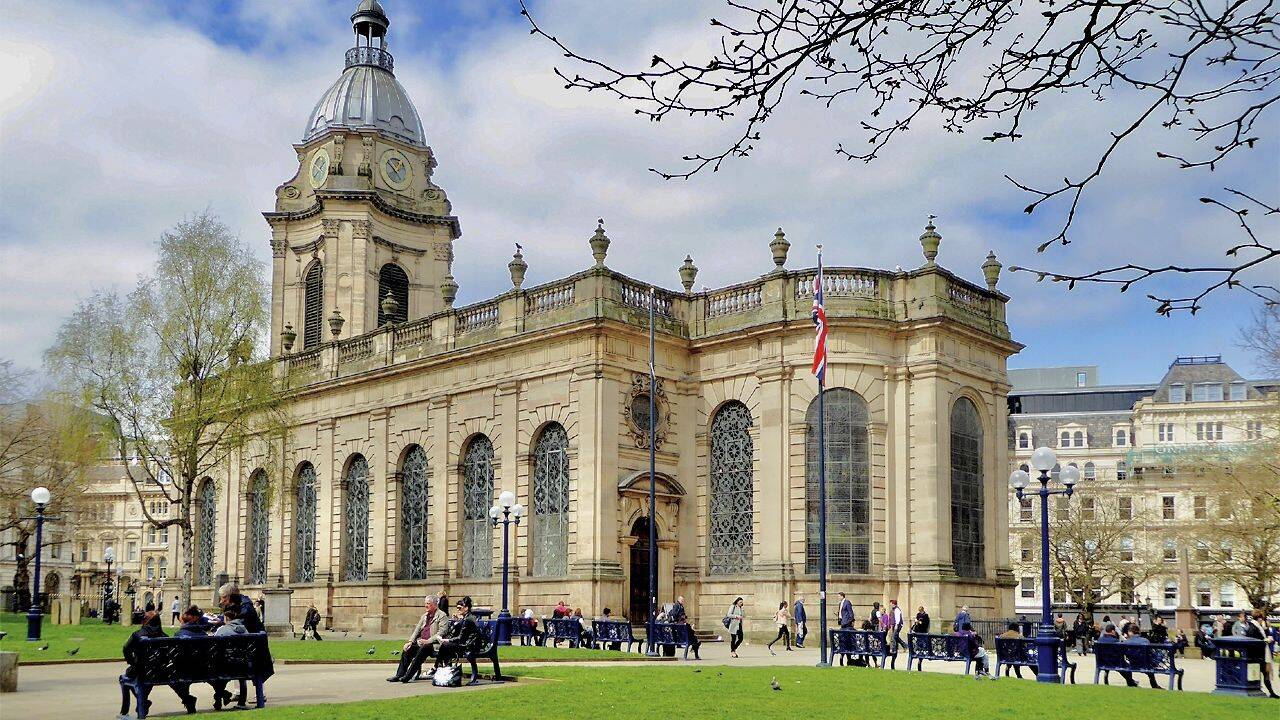
pc: wikipedia
The location that became Birmingham was initially modest in scale. During the Anglo-Saxon period it would have consisted of scattered dwellings surrounded by farmland and woodland. Its position, however, offered advantages. Routes connecting different parts of the Midlands passed nearby, helping the settlement maintain links with neighbouring communities.As per the University of Birmingham, by the medieval period, Birmingham had developed into a market centre. Trade increasingly shaped local life as merchants, craftsmen and farmers gathered to exchange goods. The settlement gradually expanded beyond its early origins, though the ancient name endured despite changes in language and pronunciation.As centuries passed, written records began to show various versions of the name.
Medieval scribes often spelt place names according to local pronunciation or personal preference, producing multiple forms before a more standard spelling eventually emerged.
How Birmingham's name changed from Anglo-Saxon England
pc: wikipedia
Language rarely stands still. The transformation from Beormingaham to Birmingham occurred gradually through everyday speech rather than through any single official decision.Pronunciations shifted as Old English evolved into Middle English and later into modern English.
Certain syllables became shortened, while others were simplified. Over generations, the longer Anglo-Saxon form became easier to pronounce and write, eventually producing the familiar Birmingham used today.This process was common across England. Many modern towns and cities contain traces of older linguistic forms that reveal their origins. Names ending in "-ham", "-ton" or "-worth", for example, often preserve elements of Anglo-Saxon settlement patterns even when their original meanings are no longer immediately obvious.









 English (US) ·