

 1 hour ago
6
1 hour ago
6
ARTICLE AD BOX
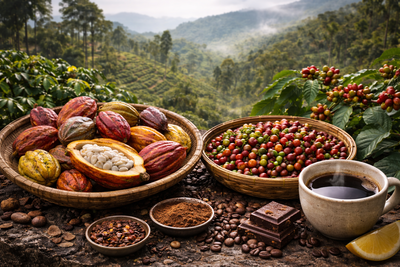
Long before café culture took over Indian cities, the hills of the south were already breathing the scent of roasted beans. Coffee and cocoa, two crops born far from India, found their footing here, carried by faith, trade, and colonial experiment.
Their roots sank deep into red soil, nourished by monsoon rains and the quiet labour of generations. Over time, they stopped being outsiders and became part of the land’s rhythm, its people, and its palate. Scroll down to read more...
Where coffee first took root
The story begins in the 1600s with a man named Baba Budan, a Sufi saint who returned from Yemen with seven coffee beans tucked into his robe. He planted them on the slopes of Chikmagalur, in what is now Karnataka, giving India its first taste of the drink that would one day become its morning ritual. Under British rule, those seven beans grew into vast plantations. The mist-covered hills of Coorg, Wayanad, and the Nilgiris turned green with coffee bushes shaded by silver oak trees. The air smelled of wet leaves and roasted promise. Over time, coffee became more than a colonial crop - it became a comfort. From the thick decoction poured through steel filters in Tamil homes to the steaming cups at old Bengaluru cafés, it wove itself quietly into everyday life.

Today, India is among the world’s top coffee producers, known for its shade - grown, eco-friendly beans. Grown slowly under forest cover, they carry hints of the land itself, slightly sweet, slightly smoky, touched by monsoon rain.
When Cocoa followed the trail
Cocoa’s arrival was quieter. It came in the early 1900s, when the British began looking for crops that would thrive alongside coffee and spices. Kerala’s warm, humid climate turned out to be perfect.
Farmers started growing cocoa beneath coconut and areca nut trees, letting it thrive in filtered sunlight.
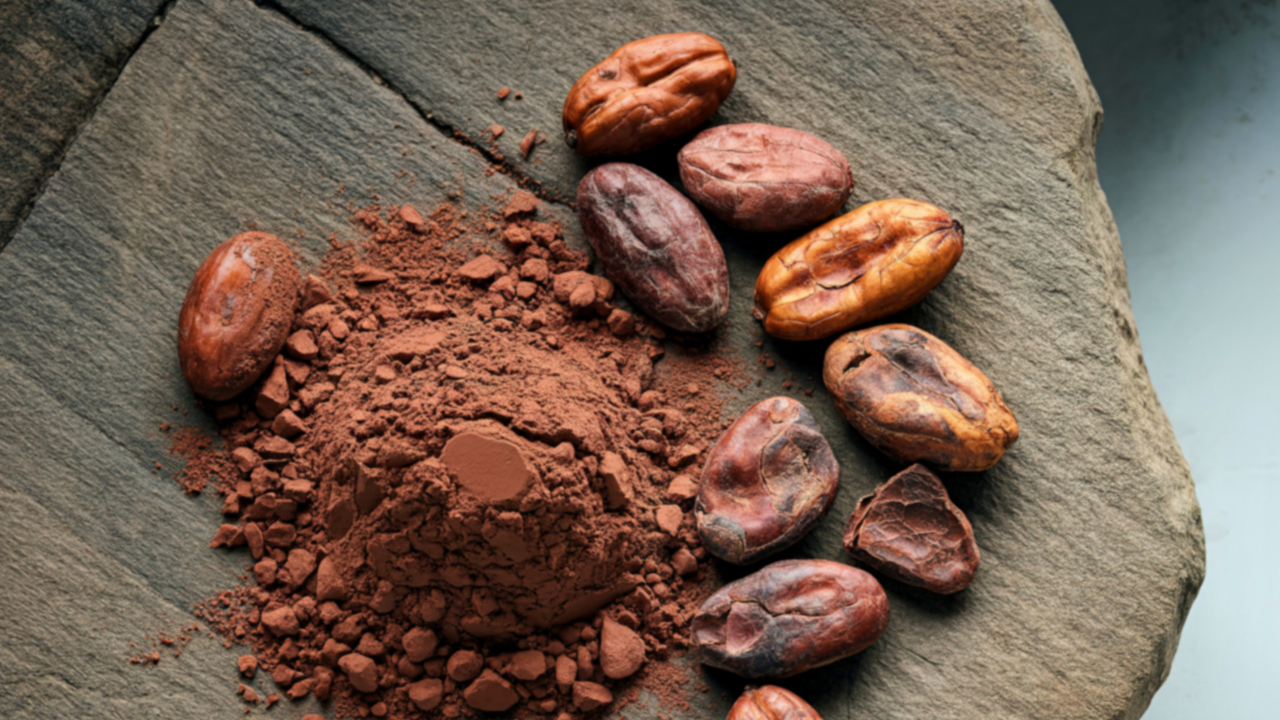
For decades, the beans fed India’s industrial chocolate industry. But lately, a different story has been unfolding. In Kerala, Andhra Pradesh, and Karnataka, small farmers have begun fermenting and drying cocoa with care - treating it like wine or coffee, tracing each batch to its farm. Their beans now find their way into handcrafted chocolate bars infused with jaggery, pepper, or sea salt.
What once grew quietly as a side crop has become the heart of India’s craft chocolate scene.
How the two stories meet
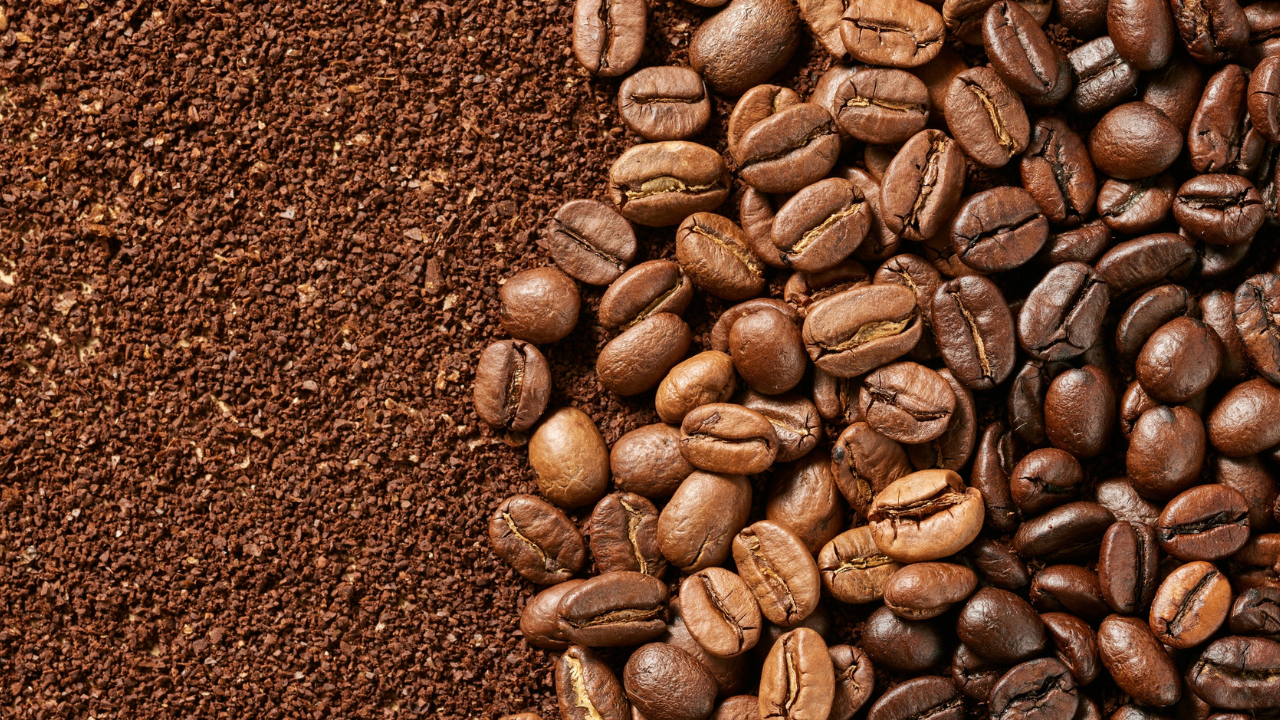
Coffee and cocoa may have come from opposite sides of the world, but they share a home now. Both love shade, rain, and red soil. Both depend on slow work and steady hands. And both have shifted from being colonial commodities to symbols of Indian craftsmanship.Today, they even meet in the same cup, a mocha made from local beans, brewed in a Bengaluru café or a Kodagu homestay.
Farmers who once sold their produce to bulk buyers now work directly with roasters and chocolatiers. The bond between grower and maker has deepened, turning trade into artistry.
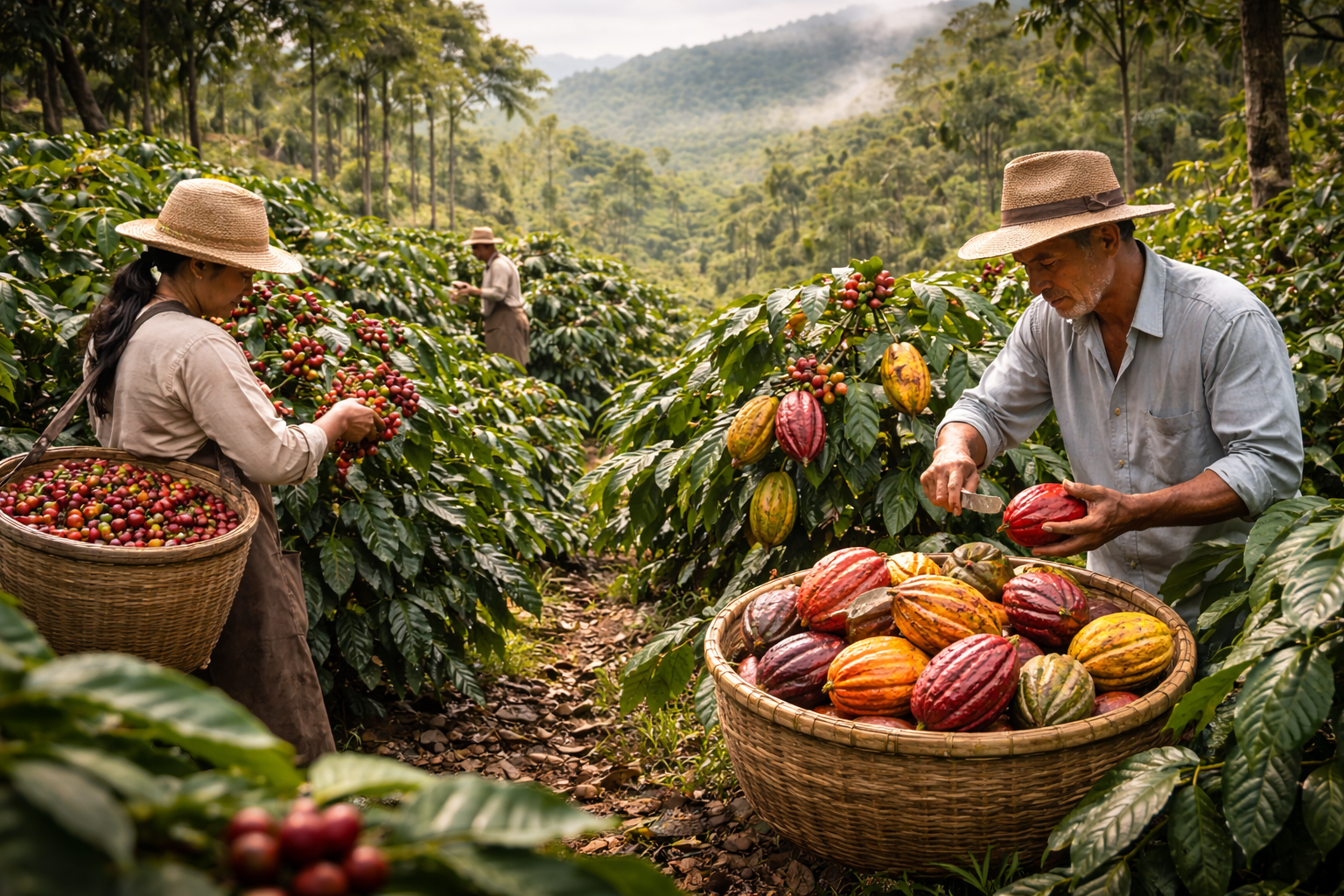
Cocoa and coffee didn’t just arrive in India’s hills, they belonged. The monsoon air that once carried the scent of cardamom now hums with roasted beans and slow ambition. And somewhere between Chikmagalur and Idukki, between an espresso and a square of dark chocolate, you can taste it - the story of how two foreign beans found home, and how India quietly made them its own.









 English (US) ·