

 1 hour ago
4
1 hour ago
4
ARTICLE AD BOX
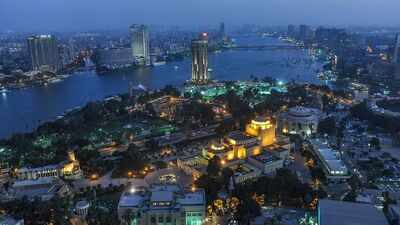
Cities often outgrow the meanings of their names. Centuries pass, dynasties rise and fall, neighbourhoods spread far beyond their original walls, and the reason a place was first named can become surprisingly easy to forget.
Cairo is one of those cities. Today it is a vast metropolis of millions, known for its mosques, markets, historic districts and constant movement. Yet the name itself comes from a very specific moment in history, tied to the foundation of a new city nearly a thousand years ago.Long before modern Cairo existed, Egypt had already seen several capitals emerge along the Nile. The city that would eventually become Cairo was not built from nothing.
Instead, it grew alongside earlier settlements and gradually absorbed them. The name that survived, however, came from the Fatimid period, when a newly founded city was given a title that would endure for centuries and become known around the world.
The origin of Cairo: From Heliopolis to Fustat
pc: wikipedia
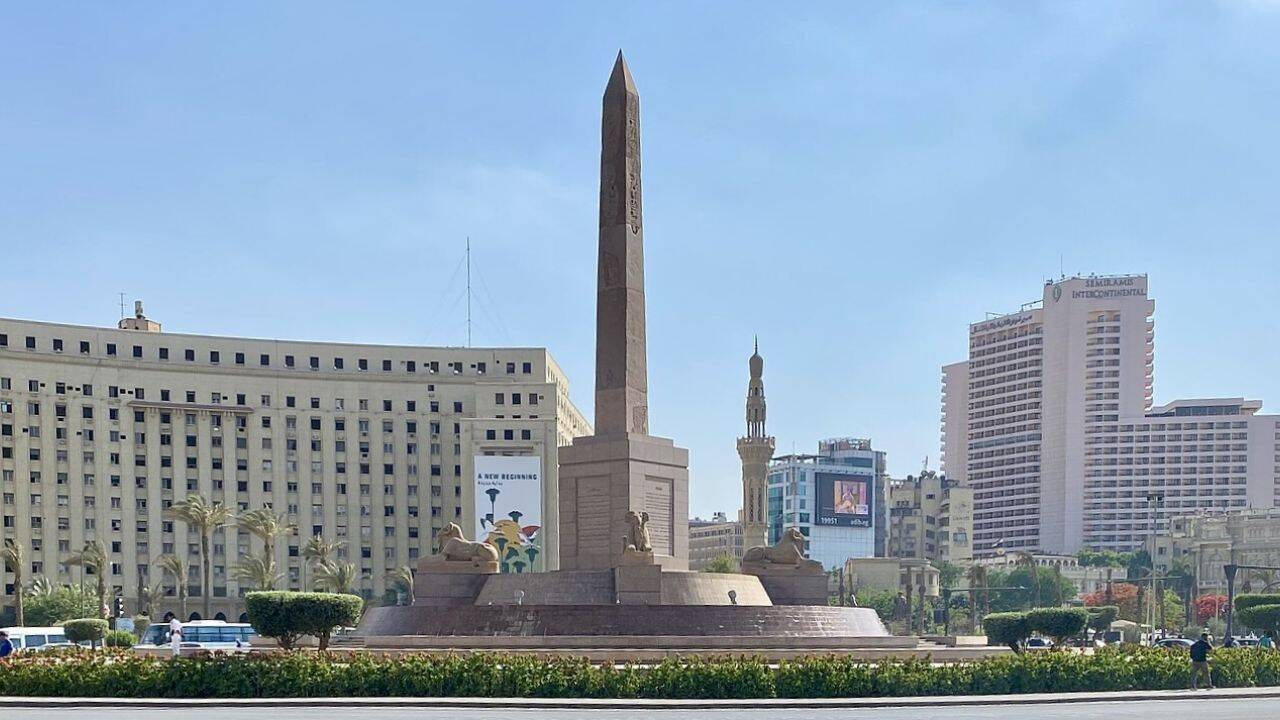
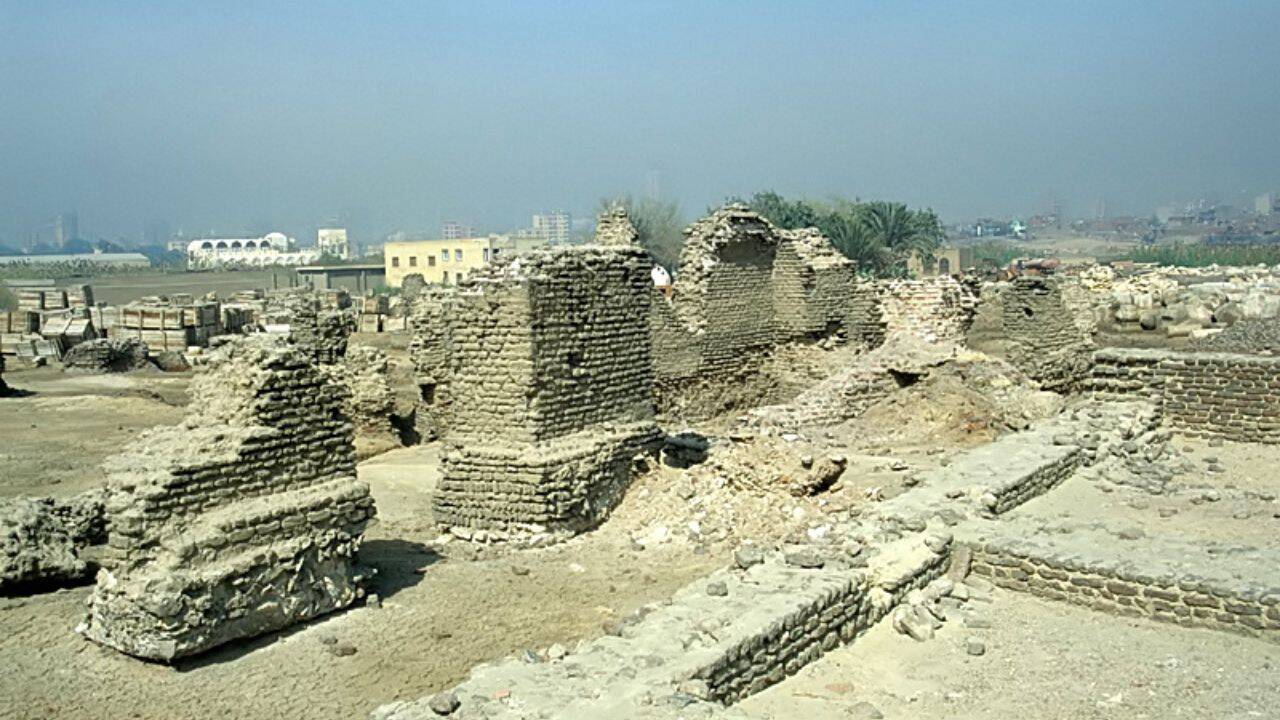
The area now occupied by Cairo had been important long before the city itself appeared. According to the Cairo Governorate's historical overview, the region hosted a succession of capitals linked to different periods of Egyptian history, including Heliopolis, Fustat, Al-Askar and Al-Qata'i.
Each served as a political or administrative centre before the arrival of the Fatimids.These earlier cities did not disappear when Cairo was founded. Instead, they remained part of the urban landscape. UNESCO notes that the historic city eventually developed into a cohesive urban area that incorporated Fustat, Al-Askar and Al-Qata'i, creating the layered cityscape that still characterises Historic Cairo today.This helps explain why Cairo's history often feels older than the city itself.
The name may date from the 10th century, but the settlement history of the area stretches much further back.
Why Cairo is called the 'Victorious City'
pc: wikipedia
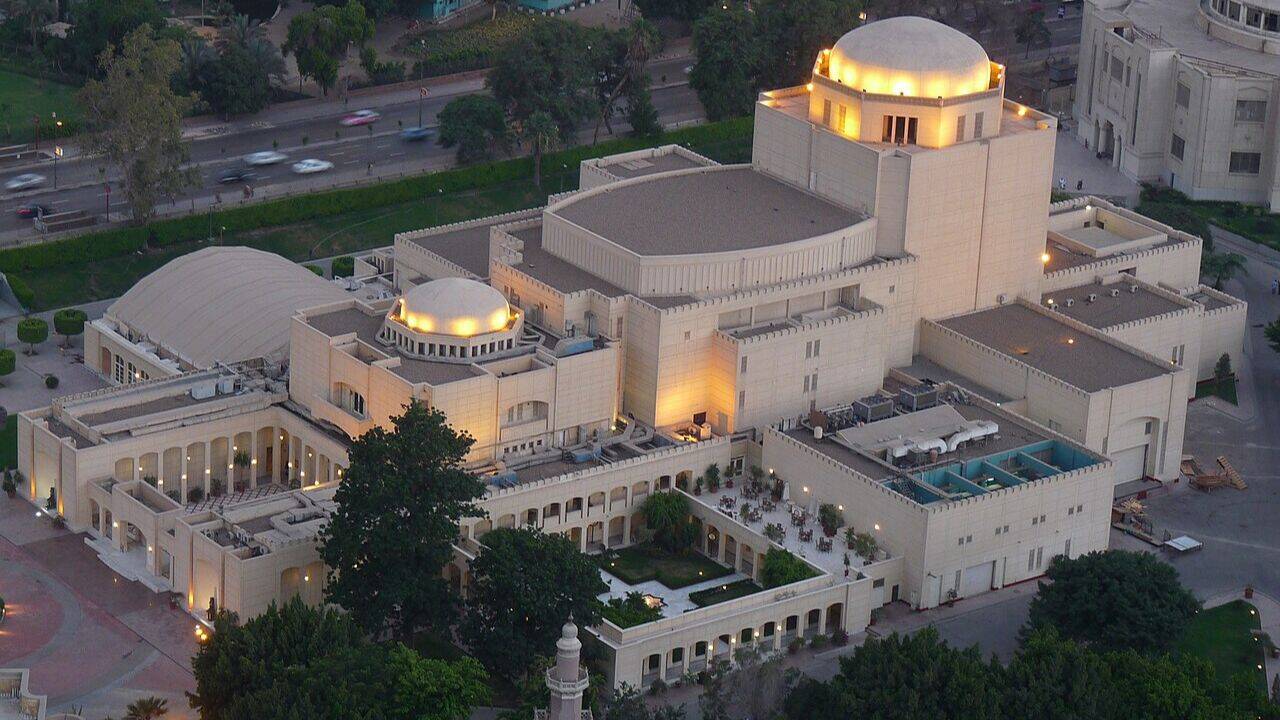
The name Cairo originates from the Arabic "Al-Qahirah". The city was established in 969 AD after the Fatimid general Jawhar al-Siqilli conquered Egypt on behalf of the Fatimid Caliph Al-Mu'izz li-Din Allah.According to the Cairo Governorate, Jawhar was instructed to build a new political capital for the Fatimid state.
The city that emerged became known as "Qahirat Al-Moez", referring to the Fatimid ruler, and was fortified with gates and defensive walls.The Arabic word "Al-Qahirah" is generally translated as "The Victorious" or "The Conqueror". Historians have long linked the name to the Fatimid conquest of Egypt and the establishment of a new seat of power. Rather than simply creating another settlement, the Fatimids were announcing the arrival of a new political order.
The name carried a message. It projected authority, success and permanence at a time when dynasties regularly used architecture and urban planning to express power.
The rise of Cairo: From royal city to thriving metropolis
pc: wikipedia
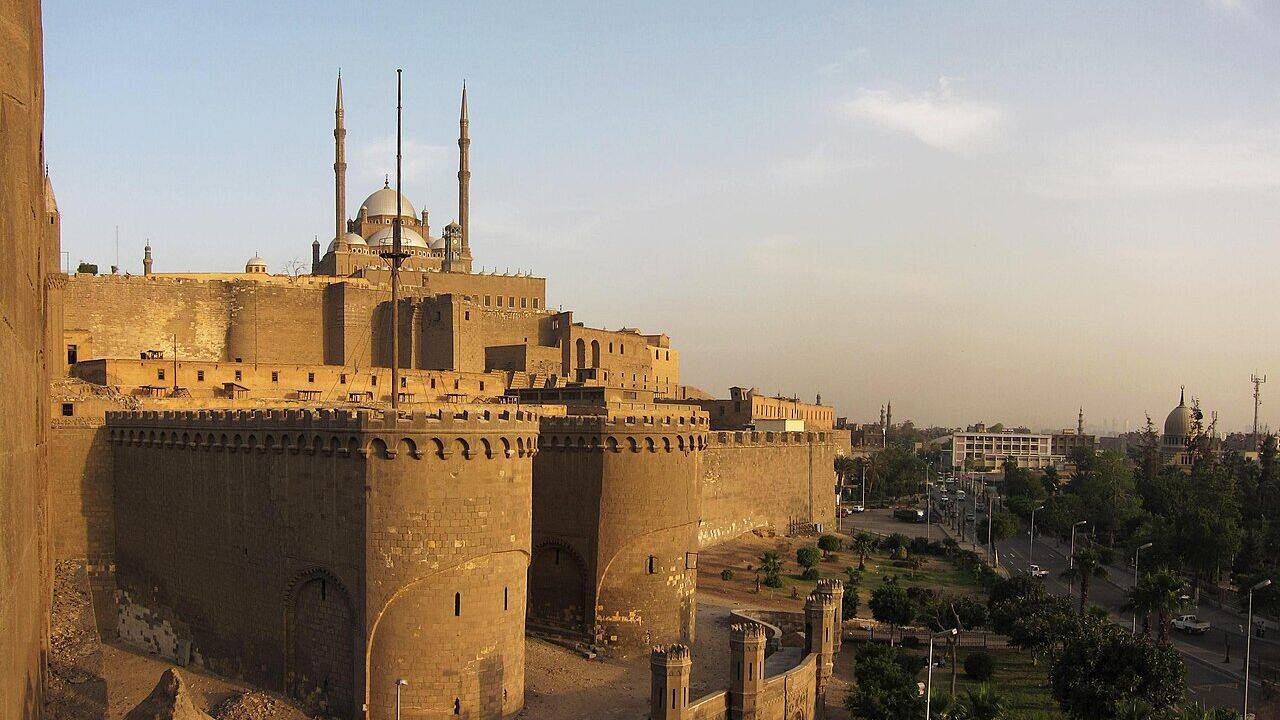
The Fatimid city was not originally intended for the entire population. UNESCO describes it as the headquarters of the Fatimid Caliphate, with a carefully planned layout enclosed within fortified walls. The city's main avenue, now known as Al-Mu'izz Street, formed the backbone of this new urban centre.According to UNESCO, the 10th-century Fatimid plan became the nucleus around which later Cairo expanded. What began as a royal and administrative city gradually attracted commercial activity, religious institutions and residential districts.The Cairo Governorate similarly describes the founding of Fatimid Cairo as the beginning of a new chapter in Egypt's urban history, one that continued to develop through the Ayyubid, Mamluk and Ottoman eras.In that sense, the city's name survived because the city itself never stopped growing. Dynasties changed, but Al-Qahirah remained the recognised centre of power.
How Cairo became one of the world's great historic cities
pc: wikipedia
Many medieval capitals disappeared from prominence when political circumstances shifted. Cairo followed a different path. Successive rulers expanded the city rather than replacing it.UNESCO describes Historic Cairo as one of the world's oldest Islamic cities and notes that it became a major political, cultural and economic centre, particularly between the 9th and 15th centuries.
The Cairo Governorate likewise highlights its role as Egypt's enduring capital and notes that it has remained the country's centre of power from the Fatimid era through to the present day.As the city absorbed surrounding settlements and spread beyond its original walls, the name Al-Qahirah remained attached to the growing urban centre. Over time, European languages adapted the name into forms such as "Cairo", which eventually became the standard English version. The modern city is vastly larger than the Fatimid capital founded in 969 AD. Yet its name still points back to that moment when a newly arrived dynasty established a fortified city on the Nile and called it Al-Qahirah, the victorious city.









 English (US) ·