

 1 hour ago
4
1 hour ago
4
ARTICLE AD BOX
4 min readNew DelhiFeb 7, 2026 05:58 PM IST
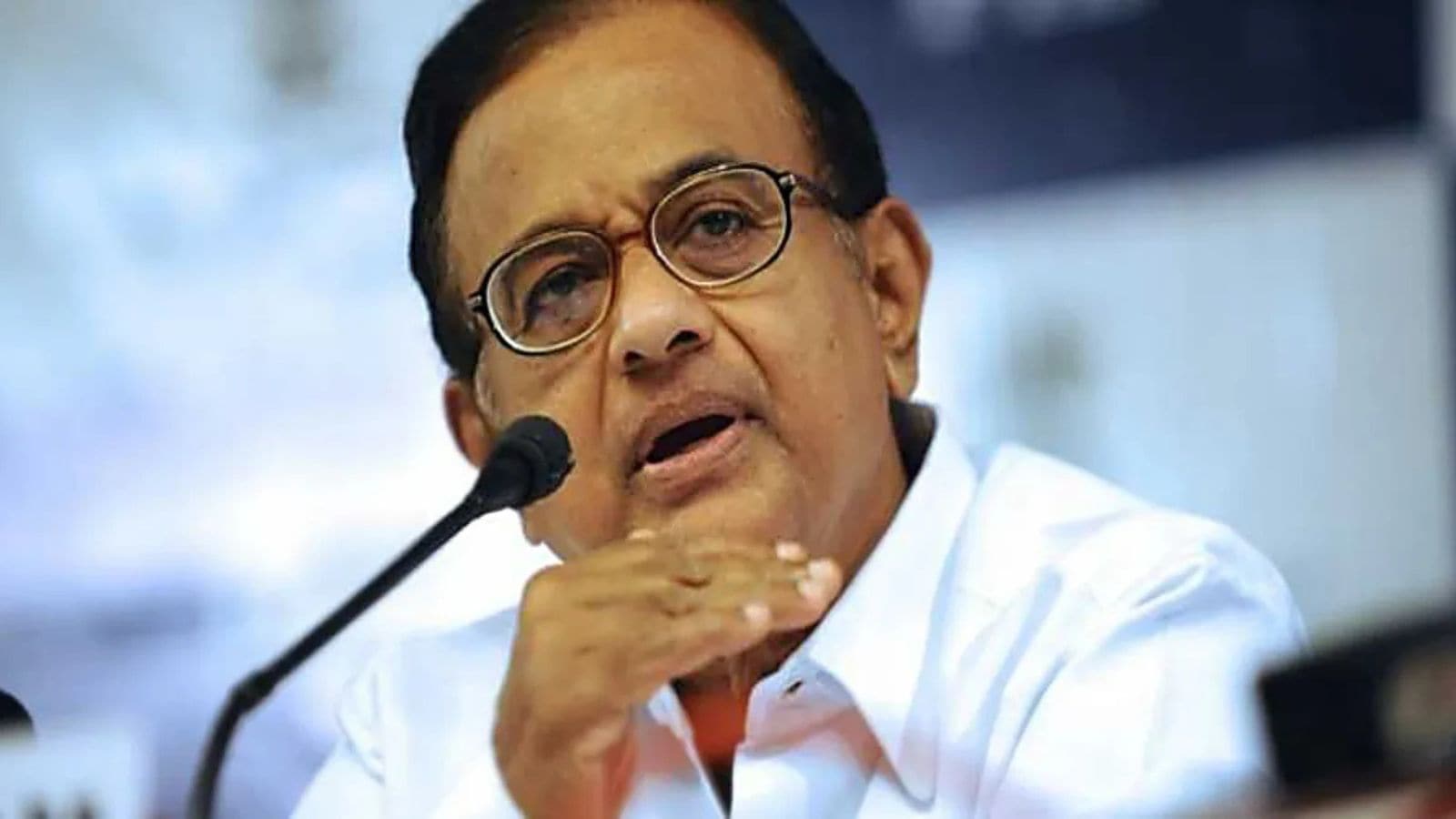 Chidambaram questioned the substance of the framework, noting that India has agreed to reduce tariffs, while the US will apply a reciprocal tariff of 18 per cent. (File Photo)
Former finance minister P Chidambaram on Saturday delivered a blistering critique of the United States-India joint statement on the interim trade deal released on February 6, asserting that what the government has touted as a diplomatic triumph is, in substance, an opaque and one-sided framework rather than a genuine agreement.
Chidambaram underscored that the joint statement clearly states that “no Bilateral Trade Agreement (BTA) has been reached” and that the parties have merely agreed on a “framework for an interim agreement” to advance broader BTA negotiations launched in February 2025. He argued that the language of the statement is so convoluted that, unless one closely scrutinises the numerous US executive orders it references, it is “not possible to understand the exact nature of the commitments undertaken by the US”. According to him, the disclosed commitments point to a deal “heavily tilted in favour of the U.S.” rather than a balanced pact.
Chidambaram questioned the substance of the framework, noting that India has agreed to eliminate or reduce tariffs on all US industrial goods and a wide range of food and agricultural products, while the United States will apply a reciprocal tariff rate of 18 per cent on a broad swathe of Indian exports, including textiles, leather, organic chemicals and certain machinery, with removal of those tariffs contingent on the successful conclusion of the interim agreement.
He also pointed out that US tariffs on items such as steel, copper and aluminium will largely continue—subject to separate provisions in the framework—and highlighted that an ongoing US trade investigation under Section 232 continues to loom over the pact. “How is this ‘framework for an Interim Agreement’ a matter of celebration?” he asked, challenging the government’s upbeat narrative.
Congress General Secretary Jairam Ramesh amplified these concerns in his own statement, portraying the revealed contours of the deal as detrimental to India’s economic interests. Ramesh said that, from what has been disclosed, the framework commits India to cease importing oil from Russia, with the United States indicating that a 25 per cent penalty could be reimposed if India buys Russian oil directly or indirectly.
He contended that India will reduce import duties in ways that benefit US farmers but harm Indian farmers, and warned that India’s annual imports from the United States will triple, effectively erasing the country’s long-standing goods trade surplus with Washington.
Ramesh further expressed deep uncertainty over the future of India’s services exports, particularly IT, saying the framework leaves India’s service exporters “in limbo,” while Indian goods could face higher effective duties than before in the US market. Dismissing the pomp surrounding the announcement, he wrote that “all the hugs and photo-ops have not amounted to much. Namaste Trump has scored over Howdy Modi. Dost Dost Na Raha!” — alluding to the symbolic optics of the visit and the perceived political triumph portrayed by the government.
Story continues below this ad
The United States-India Joint Statement describes the framework as a step toward a broader BTA, reaffirming commitments to reciprocal and mutually beneficial trade and outlining cooperation on tariff reductions, non-tariff barriers, digital trade rules, market access and resilient supply chains. It also includes India’s intention to purchase a substantial volume of US goods—including energy products, aircraft parts, technology products and precious metals—over the next five years.






 English (US) ·