

 1 hour ago
2
1 hour ago
2
ARTICLE AD BOX
Last Updated:February 18, 2026, 18:15 IST
Jamaat-e-Islami’s wins came primarily from areas along the Indo-Bangladesh border. News18 decodes the five key factors that led to their victory


Jamaat-e-Islami leader Shafiqur Rahman, in Dhaka, Bangladesh. (AP File)
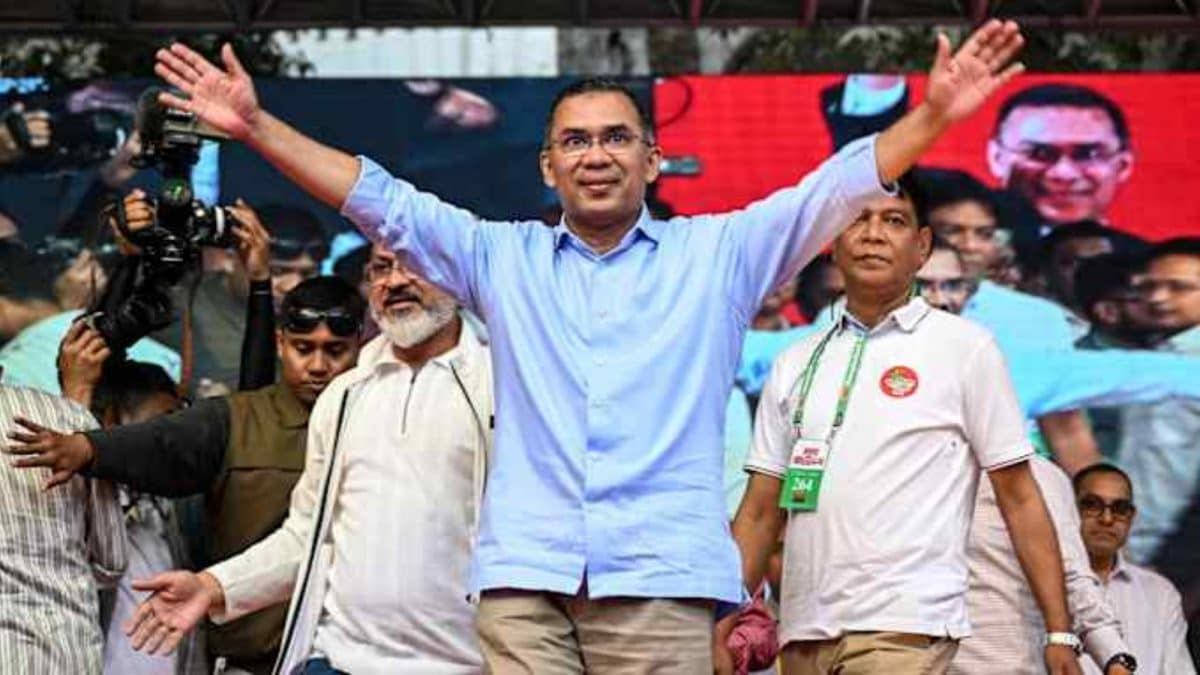
In the recently held Bangladesh polls, the Jamaat-e-Islami, leading an 11-party alliance, registered its best-ever performance with 31.76 per cent votes and 68 seats, even as the Bangladesh Nationalist Party (BNP) managed a landslide win to make Tarique Rahman the PM.
Jamaat-e-Islami’s wins came primarily from areas along the Indo-Bangladesh border. News18 decodes how this happened.
FIVE FACTORS
The win was a result of five factors, according to intelligence sources:
1. Land grab: According to sources, surge in Hindu land seizures hit border districts of Bangladesh facing West Bengal. Over 150 families displaced in Gopalganj alone after 2024. The Vested Property Act fuelled long-term marginalisation of minorities.
2. Violence against Hindus: According to sources 2,711 incidents of violence were reported against Hindus since the August 2024 after Sheikh Hasina’s departure. These incidents including arson in Rajshahi’s Bidyadharpur village where Pramanik, a local Hindu resident, was beaten and his hand broken by mobs.
3. Displacement: A total of 150 Hindu families were displaced nationwide since August 2024 due to violence and land seizures. Border districts like Bagerhat and nearby zones seeing repeated incidents of homes looted, vandalised or occupied.
4. Fear: Lynching of Dipu Chandra Das in Gazipur on December 18, 2025 where the 27-year-old Hindu garment worker was beaten, hung from a tree, and set on fire over blasphemy allegations was systematic and forced many Hindus in areas like Moulvibazar to abstain from voting due to safety concerns, said sources.
5. Voter registration: This created an atmosphere of fear that discouraged Hindu voter registration and participation in the February 12 polls. Forced displacements in border districts like Bagerhat and Gopalganj where Hindu families faced land seizures by mobs and over 47 instances happened after 2024 These areas are with economically weak communities and reduced their electoral influence in constituencies with 15-20% Hindu populations. Over 133 attacks on Hindu temples, including vandalism in Chittagong during November 2024 protests led by Jamaat-e-Islami affiliates.
The election results of Bangladesh should be a wake-up call for Hindus in West Bengal, particularly since the Mamata Banerjee administration has encouraged and facilitated rampant illegal infiltration from across the border.From Satkhira to Rangpur, the belt facing West Bengal… pic.twitter.com/tyyf8UvJdF
— BJP West Bengal (@BJP4Bengal) February 13, 2026
THE ANALYSIS
According to Indian intelligence agencies, these steps were aimed at reducing cultural confidence.
In Shariatpur, where a Hindu businessman was hacked and set on fire further created fear in minorities from public political processes.
The Vested Property Act which enables arbitrary grabs amid impunity, affected 43% of Hindu households.
Recently this has intensified in Bagerhat, increased displacements and caused economic instability. This fear of land grab indirectly discouraged Hindu families from staying or returning to vote.
Handpicked stories, in your inbox
A newsletter with the best of our journalism
First Published:
February 18, 2026, 18:13 IST
News world How Jamaat Conquered Bangladesh’s Districts Bordering Bengal: Decoding The 5 Key Factors | Exclusive
Disclaimer: Comments reflect users’ views, not News18’s. Please keep discussions respectful and constructive. Abusive, defamatory, or illegal comments will be removed. News18 may disable any comment at its discretion. By posting, you agree to our Terms of Use and Privacy Policy.
Read More







 English (US) ·