

 1 week ago
12
1 week ago
12
ARTICLE AD BOX
Last Updated:June 17, 2026, 13:42 IST
The Iran deal has left Netanyahu with no easy choice: challenge Trump and risk the alliance, or back down and risk his political future at home.


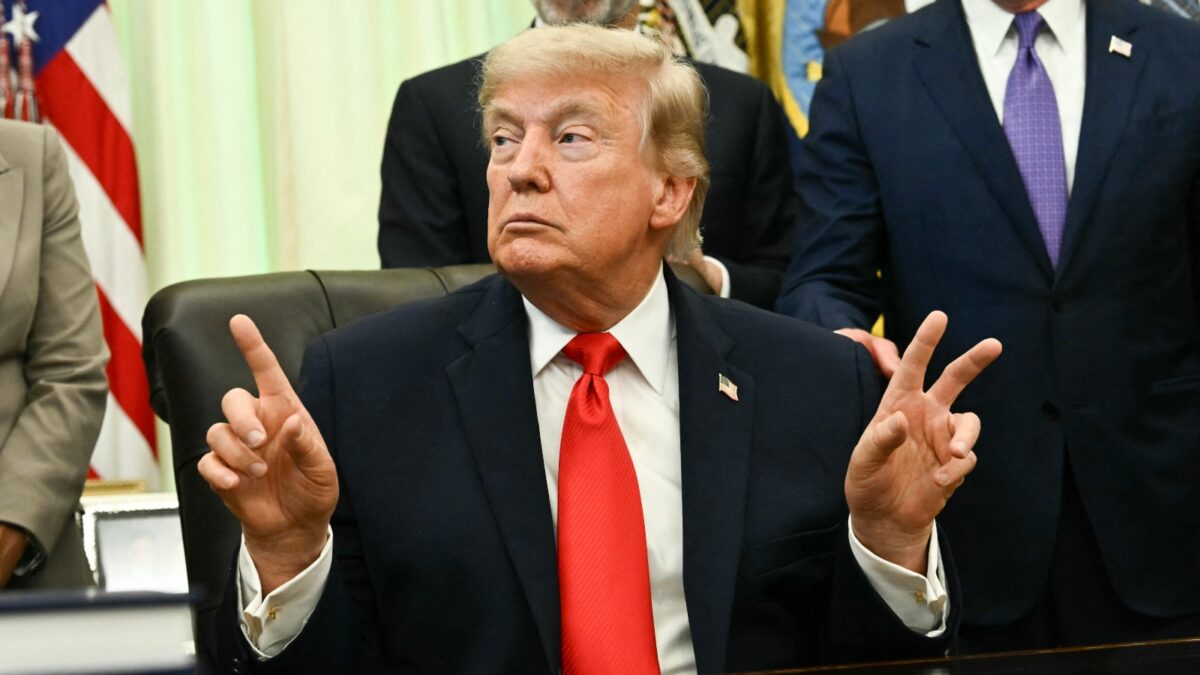
US President Donald Trump with Israeli Prime Minister Benjamin Netanyahu.
For years, Benjamin Netanyahu presented his relationship with Donald Trump as proof that he alone could manage Israel’s most important ally. Trump, in turn, repeatedly portrayed himself as Israel’s strongest supporter.
That partnership is now under severe strain.
The immediate source of the rupture is the US-Iran agreement that brought the war to an end. Trump wants to present the deal as a political victory. Netanyahu, however, entered the conflict with far broader objectives: weakening Iran’s clerical leadership, curbing its nuclear and missile programmes and reducing its support for Hezbollah and other armed groups.
With those aims still unresolved, the Israeli prime minister now faces an agreement that his government believes could restrict Israel’s military options while allowing Iran to preserve important sources of leverage.
The dispute was sharpened by repeated Israeli attacks in Lebanon during the negotiations, including a strike on Beirut hours before the US-Iran agreement was announced, which nearly derailed the deal and drew unusually harsh criticism from Trump.
“Why did Bibi have to do a f*cking attack?" Trump told Axios. “I was so pissed off. I let him know. He has no f*cking judgment. I let him know that."
Why Lebanon Has Become The Main Flashpoint
Trump and Netanyahu have repeatedly clashed over Israel’s campaign against Hezbollah in Lebanon.
Trump described Netanyahu as “f*cking crazy" during an angry phone call earlier this month and ordered him not to strike Beirut while Washington was trying to reach an agreement with Iran.
Netanyahu cancelled attacks that day, but struck Beirut’s southern suburbs a week later. The attack triggered Iranian missile fire and prompted Trump to publicly rebuke both sides.
According to Sky News, Trump also accused Israel of killing too many people in Lebanon, claimed Netanyahu took orders from Washington and declared that “without me there would be no Israel".
Netanyahu has responded carefully, avoiding a direct public confrontation while insisting that Israel’s security decisions remain his responsibility.
“He is the president of the United States, I am the prime minister of Israel. We many times see eye-to-eye and there are times when we see eye-to-eye less so. I am in charge of Israel’s security interests," he told reporters in Jerusalem.
Why Israel Sees The Iran Deal As A Threat
The interim agreement creates a 60-day negotiation period during which the US and Iran are expected to negotiate a broader settlement.
Its full terms have not been officially released. Pakistan, which helped mediate the talks, has said the agreement provides for a permanent halt to military operations on all fronts, including Lebanon.
Israel’s concern is not only about what the pact contains, but also about what appears to have been left out.
The agreement is expected to reopen the Strait of Hormuz while postponing the future of Iran’s nuclear programme to the next phase of negotiations. Iran’s ballistic missile programme and its support for regional armed groups are not believed to be on the negotiating agenda, even though both had been cited by Trump and Netanyahu as reasons for the war.
A senior Israeli official described the preliminary deal to Reuters as “terrible for Israel".
“And there is no one in the Israeli leadership who views it otherwise, from the prime minister to the chief of staff," the official said.
Israeli officials also fear that the 60-day period could be extended to 90 days or beyond. In their view, that would prevent Israel from acting while negotiations continue, even as its principal concerns remain unresolved.
Two Israeli officials told Reuters that Israel was surprised when Trump announced that a deal was close and acknowledged that the Netanyahu government had achieved little success in shaping the talks.
According to Sky News, Netanyahu has not yet seen the wording of the agreement.
Israel Says It Will Retain Freedom Of Action
Netanyahu has made clear that Israel does not consider itself fully bound by an agreement negotiated between US and Iran.
He has said Israeli forces will remain in southern Lebanon and continue operating against Hezbollah, despite Iran’s demand that Israel withdraw.
“Iran wanted us to withdraw from it but I stood firm," Netanyahu said. “We are keeping our freedom of action and we are keeping the security zone to protect [Israel’s] northern citizens."
Energy Minister Eli Cohen has also warned that Israel could act independently if Iran tries to restore its nuclear or missile capabilities.
“If Iran tries to renew its nuclear and ballistic missile programmes — we will be there and act," Cohen told Israeli public broadcaster Kan.
Dan Shapiro, a former US ambassador to Israel, described the situation as “a pretty stark moment of divergence of interests".
“He will try to not openly oppose (the deal), so as not to get into a brawl with Trump," Shapiro told Reuters. “But he will indicate Israel is not bound by it, and Israel reserves its rights," he said.
Why The Rift Is Politically Dangerous For Netanyahu
The confrontation comes ahead of elections later this year, which Netanyahu is projected to lose.
For years, he has argued that his personal relationship with Trump gives Israel unique influence in Washington.
During Trump’s first term, the US moved its embassy to Jerusalem, backed the Abraham Accords with the UAE and Bahrain, and withdrew from the 2015 Iran nuclear agreement, which Netanyahu had opposed.
In Israel’s 2019 election campaign, large billboards showed Trump and Netanyahu smiling and shaking hands.
That political asset is now being weakened by an agreement that many in Israel believe favours Iran.
Jonathan Rynhold, a political scientist at Bar-Ilan University, told Reuters that Netanyahu “will be unable to sell this agreement to the Israeli public".
“The best that he can hope for is that they fail to reach an agreement and the war restarts to Israel’s advantage in 60 days," he said.
A poll released by the Israel Democracy Institute showed that 41 per cent of Jewish Israelis believed their security was a central consideration for Trump, down from 64 per cent in March.
Far-right members of Netanyahu’s coalition urged Israel to disregard the deal, arguing that it was not bound by an agreement negotiated without its participation. “We are not party to this agreement. It does not safeguard our security," National Security Minister Itamar Ben-Gvir said on Telegram.
Netanyahu now faces two politically damaging choices.
He can accommodate Trump, reduce attacks in Lebanon and eventually withdraw Israeli forces. That could preserve the US relationship but expose him to criticism that Israel ended the war without meeting its stated goals.
Or he can continue military operations and risk a wider break with Washington, Israel’s most important military and diplomatic ally.
Can Their Relationship Recover?
Trump and Netanyahu have disagreed before, and neither has an obvious interest in a complete rupture.
Netanyahu still depends on US weapons, diplomatic support and political cover. Trump, meanwhile, must manage tensions inside the Republican Party between interventionists who supported the war and America First voices that want the US out of prolonged Middle Eastern conflicts.
But this dispute is more serious than earlier clashes because the two leaders now appear to want fundamentally different outcomes.
Trump wants the agreement to hold, the Strait of Hormuz to remain open and negotiations to produce a final settlement. Netanyahu wants to preserve Israel’s ability to strike Iran and Hezbollah and prevent Tehran from rebuilding its nuclear or missile capabilities.
The next 60 days will determine not only whether Washington and Tehran can reach a final agreement, but also whether Trump and Netanyahu can prevent their strategic partnership from becoming an open political confrontation.
For a leader long celebrated for his political survival skills, there may be no easy way out.
Handpicked stories, in your inbox
A newsletter with the best of our journalism
About the Author
Karishma Jain, Chief Sub Editor at News18.com, writes and edits opinion pieces on a variety of subjects, including Indian politics and policy, culture and the arts, technology and social change. Follo...Read More
News world How The Iran Deal Has Turned Trump And Netanyahu Against Each Other
Disclaimer: Comments reflect users’ views, not News18’s. Please keep discussions respectful and constructive. Abusive, defamatory, or illegal comments will be removed. News18 may disable any comment at its discretion. By posting, you agree to our Terms of Use and Privacy Policy.
Read More


 English (US) ·