

 1 hour ago
6
1 hour ago
6
ARTICLE AD BOX
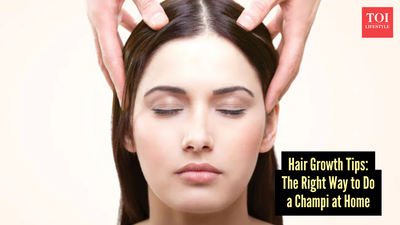
(Image Credits: Pinterest)
We all know the drill. It’s Sunday morning, and you’re sitting cross-legged while someone—maybe your mom, maybe your grandmother—massages a generous cup of oil into your scalp.
It’s a tradition as old as time, rooted in the belief that the more oil you use and the harder you rub, the longer your hair will grow. But here is the cold, hard truth, according to modern trichology: the way we have been doing the classic champi might actually be doing more harm than good. If you are struggling with breakage or a greasy scalp that refuses to clear up, it’s time to update your ritual.It’s Not About the Oil, It’s About the Blood Here is the biggest secret that experts wish you knew: hair oil doesn't contain magical "growth hormones."
The actual benefit of a head massage follows the 80/20 rule—80% of the benefit comes from the stimulation, and only 20% comes from the oil itself.

(Image Credits: Pinterest)
The goal of a champi isn't to drown your hair; it is to stimulate blood circulation. When you massage the scalp, you increase blood flow to the follicles, which is the only "living" part of your hair. This delivery of nutrients is what helps growth, not the oil sitting on top.The "Right" Way to Massage (No Friction, Please) A common mistake is vigorously rubbing the hair shafts together.
This friction damages the cuticle, leading to frizz and breakage. Instead, focus entirely on the scalp. Use the pads of your fingers—never your nails—to move the skin over the skull in gentle, circular motions. Also, never apply oil to tangled hair. Wet or oiled hair is more elastic and prone to snapping. Always detangle your locks when they are dry before you even unscrew that bottle of oil.
How to use olive oil for magical hair growth
The Temperature Trick Cold oil sits on the scalp; warm oil gets to work. Use a double-boiler method to get your oil lukewarm (not hot!).
Warm oil mimics a therapeutic effect, penetrating the cuticle better and instantly boosting that all-important blood flow we talked about.The "Overnight" Myth We have all been told to leave the oil on overnight for "maximum absorption." The scientific reality? Your scalp stops absorbing beneficial nutrients after about 30 minutes. Leaving heavy oils on for 24 hours or overnight often creates a breeding ground for bacteria and traps dust.
Even worse, if you have acne-prone skin, oil dripping onto your forehead while you sleep is a guaranteed recipe for "pomade acne." Dermatologists agree: 30 minutes to two hours is the sweet spot.
Wash it off before you hit the pillow. Dandruff Disasters If you have dandruff, put the bottle down. There is a dangerous myth that oil cures dry, flaky scalps. In reality, dandruff is often caused by Malassezia, a yeast that actually feeds on lipids (oils).
Slathering coconut or olive oil on a dandruff-prone scalp is like throwing gasoline on a fire—it will only make the itching and flaking worse.Know Your Potion Not all oils are created equal. If you are looking for actual penetration to prevent protein loss, Coconut Oil is one of the few with a molecular weight small enough to get inside the hair shaft. For surface shine and frizz control without the grease, stick to Jojoba or Argan oil—they seal moisture in but sit on top of the cuticle. If growth is your main concern, look for Rosemary Oil (diluted in a carrier oil) or Pumpkin Seed Oil, both of which have shown promise in supporting circulation and blocking hair-loss hormones. The Bottom Line Keep the tradition, but lose the bad habits. Treat your hair like fine silk, not a dirty rug. Gentle massage, warm oil, and a quick wash—that’s the modern secret to the perfect mane.









 English (US) ·