

 5 hours ago
2
5 hours ago
2
ARTICLE AD BOX
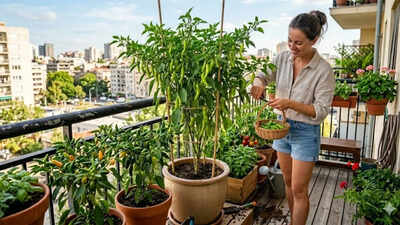
Green chilli plants rarely take up much room, which is partly why they keep appearing on apartment balconies, window ledges and crowded terraces where larger vegetables become difficult to manage.
A single container can hold a surprisingly productive plant for months if it receives enough warmth and a few hours of sunlight during the day. The process itself stays fairly uncomplicated. Most people begin with seeds taken from ordinary kitchen chillies, and the plants adapt gradually once the roots settle into loose soil and steady watering. Some grow tall and thin, others remain compact and bushy. Even under similar conditions, no two plants behave the same way.
Simple ways to grow green chillies at home in sunny windows
1. Start with seeds from everyday kitchen chillies
Many home growers skip nursery packets altogether and use seeds from mature green or red chillies already lying in the kitchen. The seeds are usually removed carefully and left to dry briefly before sowing, so excess moisture does not encourage fungus inside the soil.Healthy, firm seeds tend to sprout more reliably than pale or damaged ones. Some gardeners save more seeds than necessary because germination can be uneven from one batch to another.
2. Choose containers that do not trap water
Green chillies cope well in pots, tubs and recycled containers as long as water drains out properly after watering. Containers without drainage holes often leave the roots sitting in moisture for too long, which weakens the plant over time.The pots do not need to be very large at first. Many growers shift the seedlings into bigger containers only after the roots strengthen and several leaves appear.
3. Use light soil instead of compact garden dirt
Dense soil becomes heavy inside pots and hardens quickly after repeated watering.
Chilli plants generally perform better in loose potting mixtures that allow air to move around the roots more freely.Compost, coco peat or coarse sand are often mixed into the soil to improve texture. The aim is to keep the soil moist without making it soggy or sticky after rain.
4. Keep newly sown seeds somewhere warm
Chilli seeds are normally pressed lightly into moist soil rather than buried deep underneath it. Warmth matters more than intense sunlight during this early stage, so many growers place the pots near a bright window or balcony corner instead of under direct afternoon heat.Some seeds sprout within days, while others stay dormant longer. Cooler evenings usually slow the process.
5. Young plants need gentler sunlight
Fresh seedlings are delicate in the beginning. Strong afternoon sunlight can dry them out quickly before the roots settle properly.Most growers expose the plants to softer morning light first, then gradually increase sunlight as the stems become stronger. Plants grown entirely in shade often stay weak and produce fewer chillies later on.
6. Water according to the soil, not the clock
One of the more common mistakes is watering on a fixed schedule regardless of weather conditions. Pots dry differently depending on temperature, humidity and wind exposure.Many gardeners simply check the top layer of soil before watering again. If it still feels damp beneath the surface, the plant is usually left alone for another day. Constantly wet soil often causes more problems than short dry spells.
7. Feed the plants in small amounts.
Container plants slowly lose nutrients because repeated watering washes minerals out through the drainage holes.
Small amounts of compost or diluted liquid fertiliser are often added during the growing stage to support flowering and fruit production.Too much feeding can create leafy plants with very few chillies. The balance matters more than quantity.
8. Watch for insects hiding under leaves.
Tiny pests tend to gather underneath the foliage where they are harder to notice at first. Aphids and whiteflies are common during warm, humid weather, especially when airflow around the plant is poor.Many people rinse the leaves gently with water or use mild neem-based sprays if the insects begin spreading. Damaged leaves are usually removed early before the problem worsens.
9. Pick chillies regularly once they mature.
Green chillies are generally harvested once they reach full size and feel firm. Pulling them off roughly can damage the stems, so many gardeners twist them gently or snip them away carefully.Frequent harvesting often encourages the plant to continue flowering.
Older fruits left hanging too long may slow fresh growth.
10. Balcony-grown plants can stay productive for months
A healthy chilli plant does not need a large garden to keep producing. With enough sunlight, occasional feeding and steady watering, even a single pot near a sunny window can continue giving chillies across multiple months.Over time, the stems harden and growth becomes slower, though many growers keep mature plants alive well beyond one season rather than starting again from scratch.







 English (US) ·