

 1 hour ago
2
1 hour ago
2
ARTICLE AD BOX
From reel-life reformer to real-life politician, Vijay's latest anti-liquor push feels strikingly familiar to those who've followed his films. The move mirrors the disruptive, system-challenging energy that defined his role in Master.
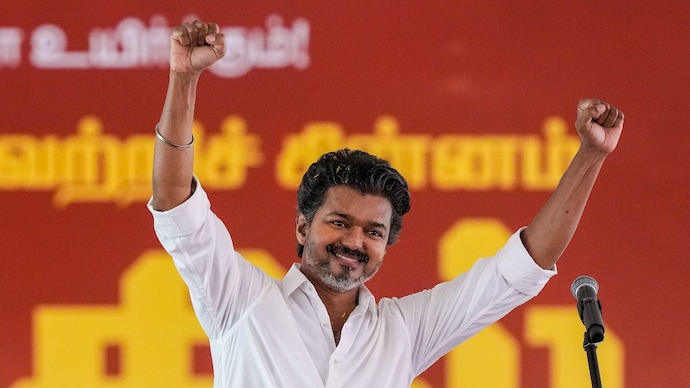
Actor-turned-politician Vijay's filmography has practically been a running commentary on broken systems. (PTI photo)
New Delhi,UPDATED: May 14, 2026 20:59 IST
There’s a certain poetry when cinema spills into politics. In Tamil Nadu, that poetry has often rewritten power. But with Thalapathy Vijay, the transition feels less like a leap and more like a sequel. His recent move of shutting down liquor shops near temples and schools doesn’t just read like a policy decision. It feels like a scene we’ve already watched — straight out of a Vijay film.
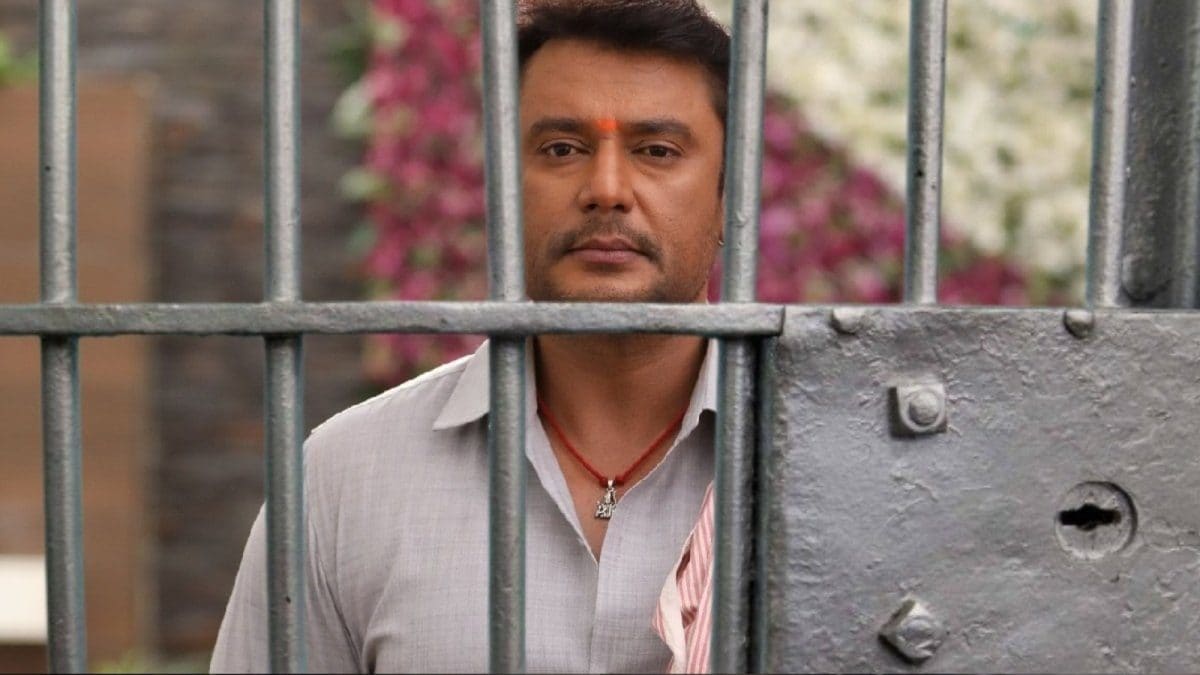
For anyone who remembers Master, the parallels are impossible to ignore. Flawed, chaotic, and completely unbothered, JD is the kind of hero who doesn’t pretend to be perfect. He drinks, he shrugs, he survives. The first half is messy, wild, and unapologetically fun. But Master isn’t a party film. It’s a slow burn.
Because you just know this guy is going to turn.
And when he does, it’s not subtle, it’s Vaathi Raid-level explosive.
JD doesn’t just cut down on drinking and call it a day. He goes full system reboot. He steps into a juvenile prison where kids are being manipulated and fed contraband like it’s routine. What follows is straight-up Vijay territory — raids, crackdowns, disruption. He doesn’t fix himself quietly; he flips the entire ecosystem. And yes, “Vaathi Raid” wasn’t just a song — it was a mood.
Cut to real life.
Vijay, the politician, is now pulling off his own version of a controlled “raid” — this time on accessibility. By shutting liquor shops near temples and schools, he’s not banning alcohol. He’s doing something smarter. He’s changing the context.
On paper, it’s a neat administrative move. In reality, it’s a statement. A signal that some spaces, spaces of faith and formation, shouldn’t be sitting next to easy access to alcohol.
Tamil Nadu’s TASMAC network has always been a double-edged sword — massive revenue on one side, social concern on the other. And the issue was never just about people drinking. It was about how close, how visible, how normal it had become. A liquor shop next to a school isn’t just a shop — it’s a message.
Vijay’s move disrupts that message.
And that’s where the Master parallel hits hardest.
Because JD didn’t eliminate crime in one go, he disrupted the system that allowed it to breathe. Vijay isn’t trying prohibition politics. Also, let’s be honest, this isn’t coming from a random policy desk.
This is coming from a man whose filmography has practically been a running commentary on broken systems. Healthcare in Mersal. Corporate exploitation in Kaththi. Voter awareness in Sarkar. And in Master, the battle became personal — internal first, then external.
Now, that internal arc seems to have gone public.
That’s what makes this interesting.
Because Vijay isn’t reinventing himself for politics. He’s not suddenly discovering social issues. He’s been flirting with them on screen for years. The difference now? There’s no background score. No interval block. No guaranteed climax.
Just consequences.
And expectations.
In Master, JD walks into a broken institution and decides he’s had enough. He takes on a system that’s comfortable being corrupt.
Shutting liquor shops near temples and schools isn’t a grand revolution.
But it’s a very Vijay move.
Targeted. Symbolic. Crowd-readable. Impactful enough to start a conversation and disruptive enough to shift behaviour.
It’s not the endgame. It’s the first raid. And maybe that’s the real takeaway here. Because for fans who’ve watched him for decades, this doesn’t feel like a star trying politics. It feels like a character stepping out of the screen. Vijay’s biggest strength right now isn’t that he’s changing. It’s that he doesn’t need to. He’s simply continuing the role.
Only this time, there’s no script. And no cut.
- Ends
Published On:
May 14, 2026 20:59 IST




 English (US) ·