

 1 hour ago
3
1 hour ago
3
ARTICLE AD BOX

Akshaye Khanna openly discusses his commitment phobia, stemming from a deep self-understanding and comfort with solitude, rather than past heartbreak. He emphasizes that marriage is a significant shift, not a social obligation, and his perspective highlights that this fear often arises from self-awareness and a desire to protect one's independence.
When it comes to marriage and long-term relationships, Akshaye Khanna has always been refreshingly honest. While most celebrities dodge questions about their personal lives, he has openly admitted something many people silently struggle with - commitment phobia.
Not because of a dramatic heartbreak, not because he doesn’t believe in love, but because he understands himself deeply.In past interviews, Akshaye has said that marriage should never be treated like a box that needs to be checked. He has talked about wanting to marry only the right person and only when it genuinely feels aligned. For him, marriage is not a social obligation but a serious emotional and lifestyle shift, one that can’t be forced or rushed.
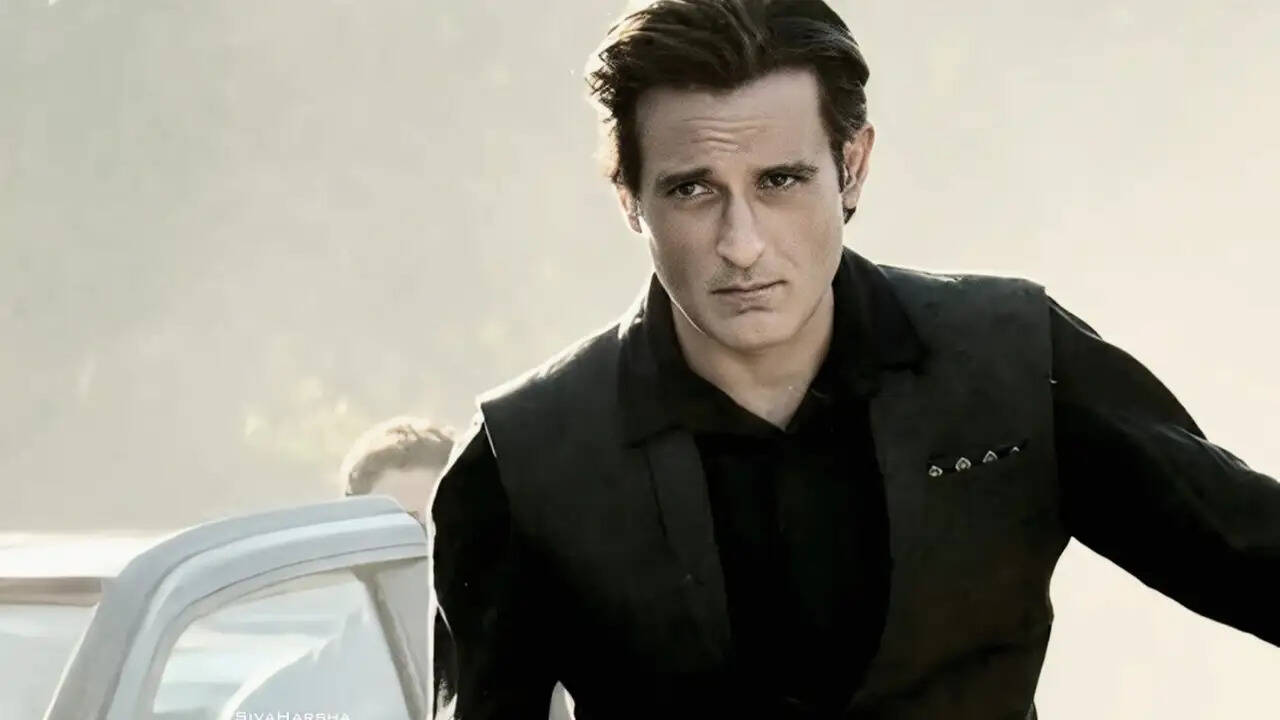
Over the years, however, he has also confessed that his relationship with the idea of commitment has changed drastically. Instead of becoming more open to it, he has become more cautious. In his own words, “I’m even more commitment-phobic now.” He explained that this shift has a lot to do with learning to enjoy solitude, becoming comfortable in his skin, and realising that long-term commitment requires a mindset he isn’t sure he possesses.
What makes his perspective relatable is this: commitment phobia isn’t about avoiding love - it’s about protecting the self. Many people, men and women both, experience the same fear. The fear of losing independence. The fear of choosing wrong. The fear of lifestyle changes. The fear of emotional responsibility. The fear that marriage might demand more than they can offer.Akshaye’s journey shows us that commitment phobia doesn’t come from weakness, it often comes from awareness.
Why people develop commitment phobia
Commitment phobia can develop for many reasons:A strong attachment to personal freedomSome people genuinely thrive alone. Solitude energises them, and they fear losing that quiet balance.Fear of irreversible decisionsMarriage is not like switching jobs or apartments. For many, the fear is not the relationship itself, but the “forever” attached to it.Past experiences or observationsWitnessing unhealthy relationships - parents, friends, relatives - can subconsciously build fear.High self-awarenessSome people know they aren’t ready for the emotional labour relationships require. Instead of entering something half-heartedly, they choose honesty.Pressure vs readinessSocial pressure to marry can make people resist even more. The more they are pushed, the more they retreat.
How to deal with commitment phobia (the healthy way)
If you see yourself in Akshaye’s experiences, here are some grounded ways to navigate these fears:1. Understand the root of your fearAre you afraid of the wrong partner? Losing your lifestyle? Emotional responsibility? Once you identify the fear, it stops controlling you.
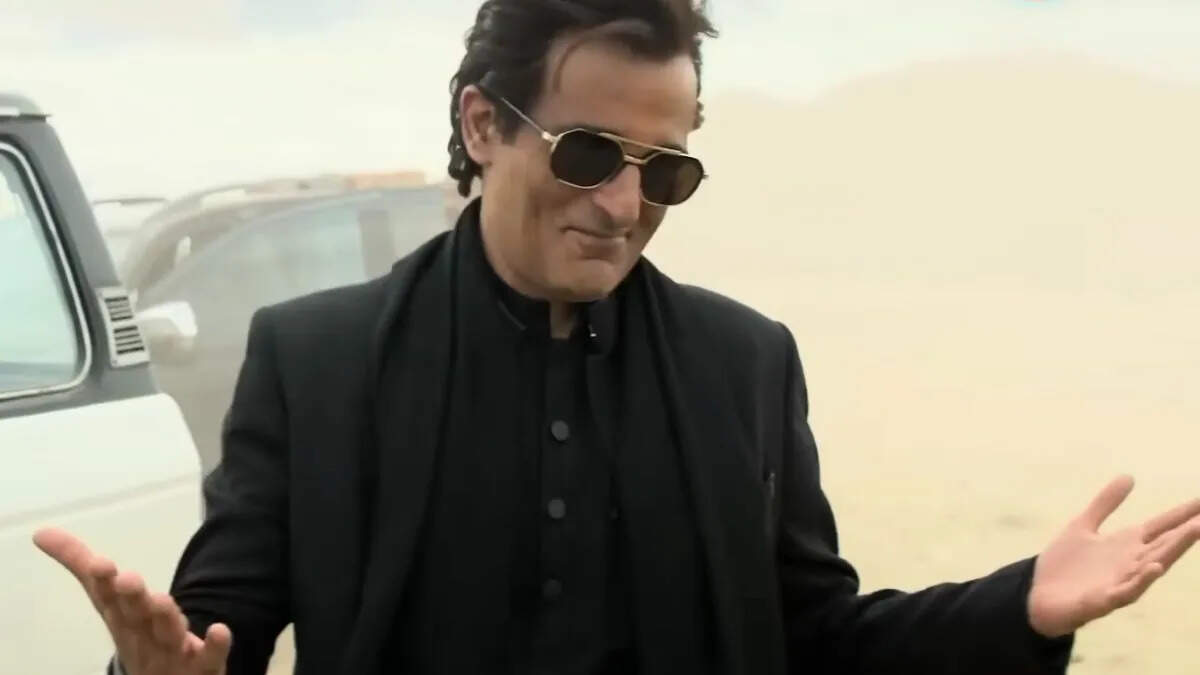
2. Don’t enter relationships out of pressureSociety, relatives, friends - they don’t live your life. Only commit when you feel emotionally and mentally prepared.3. Communicate openlyIf you're dating someone, be honest about your pace. Honest communication builds trust instead of disappointment.4. Explore vulnerability slowlyCommitment doesn’t have to be a leap. It can be slow, steady steps - deeper conversations, shared decisions, emotional openness.5. Accept that enjoying solitude is normalWanting alone time doesn’t make you incompatible with love. A healthy partner will understand it.6. Challenge your assumptionsNot all relationships are suffocating. Not all commitments are restrictive. Sometimes, the right person expands your world instead of shrinking it.Akshaye Khanna’s stance reminds us that marriage isn’t the only path to a fulfilled life, and one doesn’t have to apologise for prioritising emotional comfort and self-understanding. Whether someone chooses marriage or chooses solitude, the only real requirement is that the choice comes from clarity - not fear, pressure, or convention.If anything, his honesty teaches us that relationships should be built on readiness, not obligation and that choosing yourself is always a valid option.






 English (US) ·