

 54 minutes ago
4
54 minutes ago
4
ARTICLE AD BOX
Last Updated:June 30, 2026, 23:01 IST
Trump seeks a 40 ship US icebreaker fleet, relying on Finnish shipyards to speed delayed Coast Guard programs as Arctic competition and climate driven strategic needs intensify


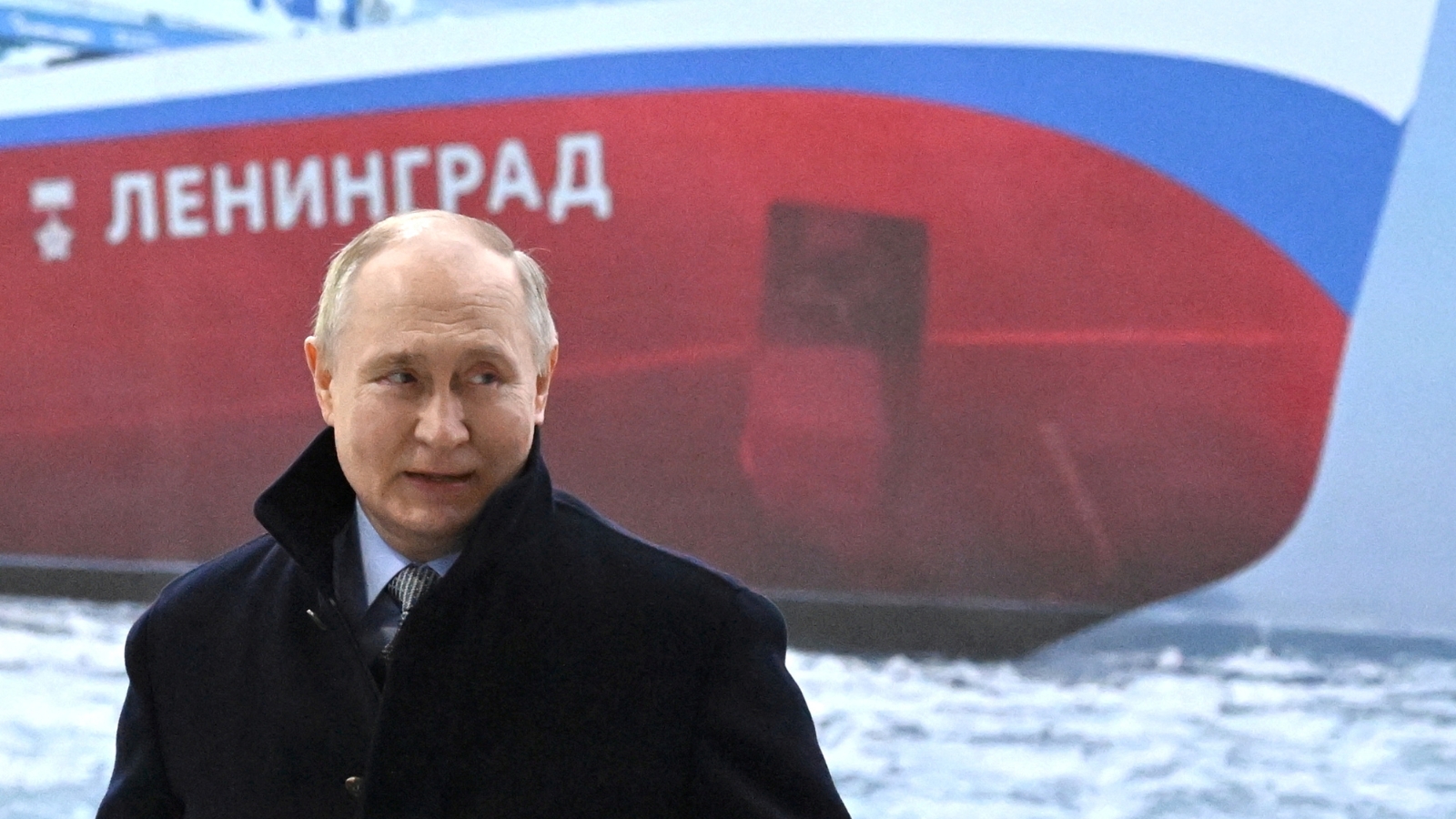
People walk on the ice-covered Neva River near the nuclear-powered icebreaker Chukotka moored at the Baltic Shipyard in Saint Petersburg, Russia February 8, 2026. (Image Courtesy: REUTERS/Anton Vaganov)
The US Coast Guard operates three dedicated icebreakers, two of them ageing and the third a converted commercial vessel. President Donald Trump wants that fixed, and he has set his sights on 40 new vessels, a number that appears to be pegged to the size of Russia’s icebreaker fleet.
His administration has so far awarded contracts for 11 “Arctic Security Cutters", with three more due under a separate, long-delayed Coast Guard programme. To build them on any workable timeline, Washington needs Finland.
Why Finland?
Finland, a country of fewer than six million people on Europe’s Arctic shoulder, designs and builds more of the world’s icebreakers than anywhere else. The Helsinki Shipyard alone accounts for roughly half of those currently in service, and the country’s marine cluster runs to about 1,200 companies spanning design houses, shipyards, engine makers and materials suppliers.
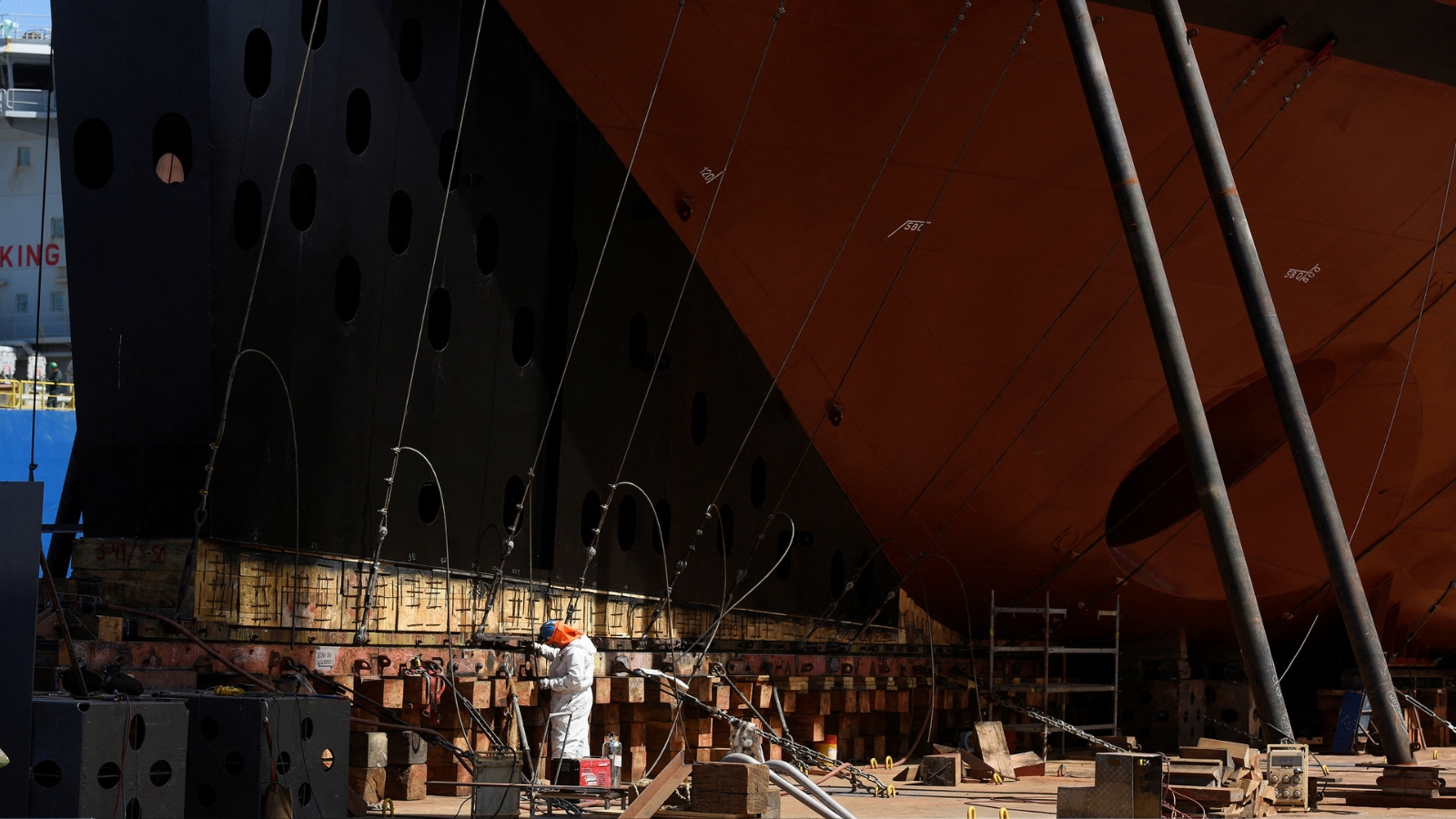
Last October, Trump signed a presidential waiver permitting new US Coast Guard icebreakers to be partly built in foreign yards, a marked departure from his usual instinct to keep production at home, but one driven by plain necessity rather than ideology.
The case for urgency sits in the Polar Security Cutter programme’s own record. The Coast Guard first proposed new icebreakers 13 years ago and awarded its initial contract in 2019 to VT Halter Marine in Mississippi, with delivery of three ships promised by 2024 at an estimated cost of $1.9 billion.
Bollinger Shipyards inherited the contract after buying VT Halter in 2022, by which point the project had slipped badly and costs had climbed past $5 billion, according to a 2024 Congressional Budget Office report. The first vessel is now not expected before 2030.
Finland builds faster because its industry works in parallel rather than in sequence. Peter Rybski, a retired US Navy officer based in Finland who now works as director of polar intelligence at shipbuilder Davie, says American yards typically take around 18 months from contract award to finished detailed design before construction even starts.
In Finland, construction of initial components begins within six months, running alongside the design process. It took the Helsinki Shipyard just nine months from the start of work to begin assembling the hull of its first icebreaker for the Canadian Coast Guard. Steel was being cut for the US Coast Guard’s vessels on Finland’s west coast within a month of Davie finalising that contract.
Rauma Marine Construction is building two of the US vessels in partnership with Bollinger, which is constructing four more at its US Gulf coast facilities using techniques learned from its Finnish partner; it cut steel on the first of those in April.
Isko Kuha, a senior designer at the Helsinki Shipyard, estimates that around 60 percent of what goes into its ships is sourced domestically, a level of supply chain density that allows Finnish builders to push back credibly against the kind of late design changes that have repeatedly delayed the American programme.
Climate Change Cuts Both Ways
Trump has dismissed climate change as a serious threat even as he pursues an icebreaker fleet whose strategic logic depends on it. Melting Arctic ice is opening shipping routes and exposing mineral deposits, intensifying competition among Arctic and near-Arctic states over access and resources.
Yet the retreat is uneven and unpredictable. This past winter brought multiyear highs in ice coverage to the Chesapeake Bay and the Great Lakes, while a late but severe freeze in the Baltic Sea forced Finland to deploy its entire icebreaker fleet there. Icebreakers also serve a sovereignty function distinct from climate, clearing channels for other vessels, supporting search and rescue and research missions, and maintaining a physical presence in Arctic waters that can deter unwelcome arrivals.
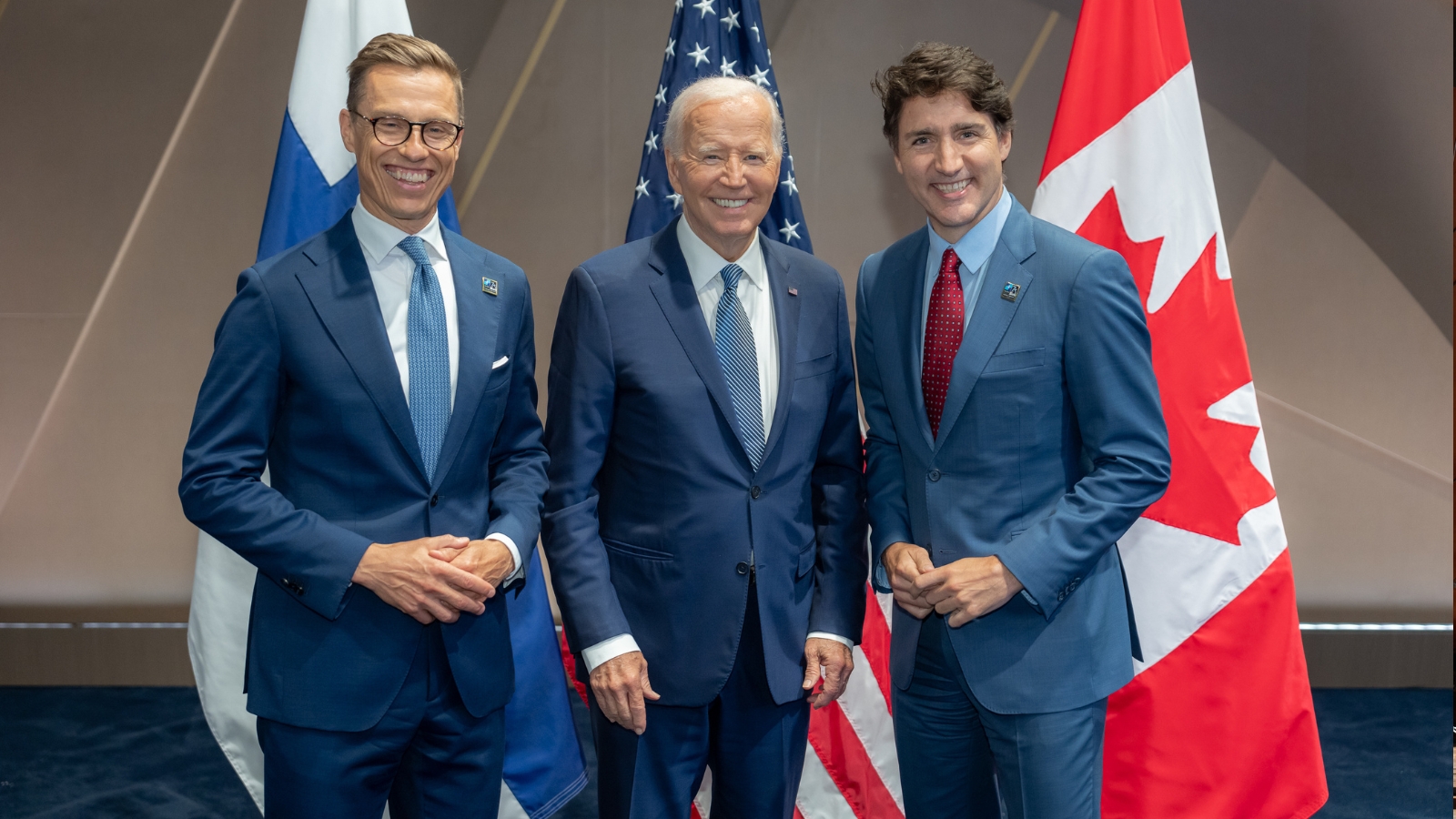
Trump has, notably, continued the trilateral Icebreaker Collaboration Effort his predecessor Joe Biden launched with Canada and Finland in 2024, which aimed to speed up delivery of new vessels through cooperation across all three countries.
Nations other than Russia and China are together planning to order as many as 90 new icebreakers over the next decade, according to an analysis by the Wilson Center, as Finland, Canada and the US race to fill their yards with enough orders to sustain them for years.
Whether the strategy succeeds in rebuilding American shipbuilding more broadly remains an open question. The United States produced just 0.03 percent of the world’s new merchant vessel tonnage in 2025, against 54 percent from China.
Brian Potter, a senior fellow at the Washington-based Institute for Progress, speaking to Bloomberg, says jumping straight to the high end of the shipbuilding market, as Washington hopes to do with icebreakers, is rarely straightforward.
A more realistic goal, he argues, is reducing the cost overruns and delays that have hobbled American merchant shipbuilding for decades, even where competing internationally remains out of reach.
For now, the route to Trump’s icebreaker fleet runs through Helsinki, Rauma and the network of Finnish suppliers built up over six decades of designing ships for ice. South Korea’s Hanwha Group, which purchased the Philly Shipyard in 2024, and Davie, which acquired two Texas shipyards last year, are both wagering that Finnish expertise can be transplanted to American soil quickly enough to matter.
Handpicked stories, in your inbox
A newsletter with the best of our journalism
About the Author

Anoshito Banerjee is a digital journalist at CNN-News18, specialising in Indian foreign policy, global diplomacy, South and West Asian geopolitics, and strategic affairs. His reporting spans hard news...Read More
Location :
Washington D.C., United States of America (USA)
News world Icebreakers: Why Donald Trump Wants These Big Beautiful Boats And Their Finnish Connection
Disclaimer: Comments reflect users’ views, not News18’s. Please keep discussions respectful and constructive. Abusive, defamatory, or illegal comments will be removed. News18 may disable any comment at its discretion. By posting, you agree to our Terms of Use and Privacy Policy.
Read More








 English (US) ·