

 1 day ago
6
1 day ago
6
ARTICLE AD BOX
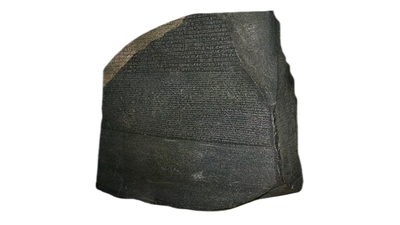
The Rosetta Stone is a stele of granodiorite inscribed with three versions of a decree issued in 196 BC during the Ptolemaic dynasty of Egypt, on behalf of King Ptolemy V Epiphanes. Image Credit: Wikipedia
It was the summer of 1799 when an ordinary military engineering operation near the wall of a fort in Egypt turned out to be one of the most significant archaeological discoveries in the history of mankind.
While removing debris for reinforcement purposes, French soldiers found a large black stone block with mysterious inscriptions on it. Initially, the discovery seemed like nothing more than a pile of ordinary construction waste. However, this seemingly ordinary object turned out to be crucial for unveiling many mysteries about a forgotten civilization.Discovery in soil by chanceThis discovery occurred neither during an organized excavation nor during any treasure-hunting operation.
On the contrary, it was made in the middle of war events. During his military expedition to Egypt, the French engineer Pierre-François Bouchard supervised construction activities near the Egyptian city of Rashid (Rosetta). His soldiers were engaged in the restoration of a ruined wall of a fort to meet the coming battle.As the soldiers moved large pieces of debris, Bouchard noticed a stone that had been built into the old ruins.
It was obvious to him that the stone had clear lines of inscriptions on it, which immediately sparked his interest. The discovery shows that major historical finds can emerge from ordinary circumstances. Unlike other artefacts found in royal tombs, the stone was literally dug out of the dust and debris by soldiers trying to fulfill their tasks for the day.The significance of three languagesIt wasn’t the design of the stone that made it exceptionally significant, but rather its unique inscription pattern.
The stone carried a single decree written in three scripts: ancient Egyptian hieroglyphs, demotic script and Greek.This archival overview offered by Caltech Library explains that the Rosetta Stone was the key element without which the entire discipline of Egyptology would remain at the stage of wild guesses. The Greek text allowed scholars to compare inscriptions and test theories about the other scripts. Otherwise, the stone might have remained an intriguing museum artifact.
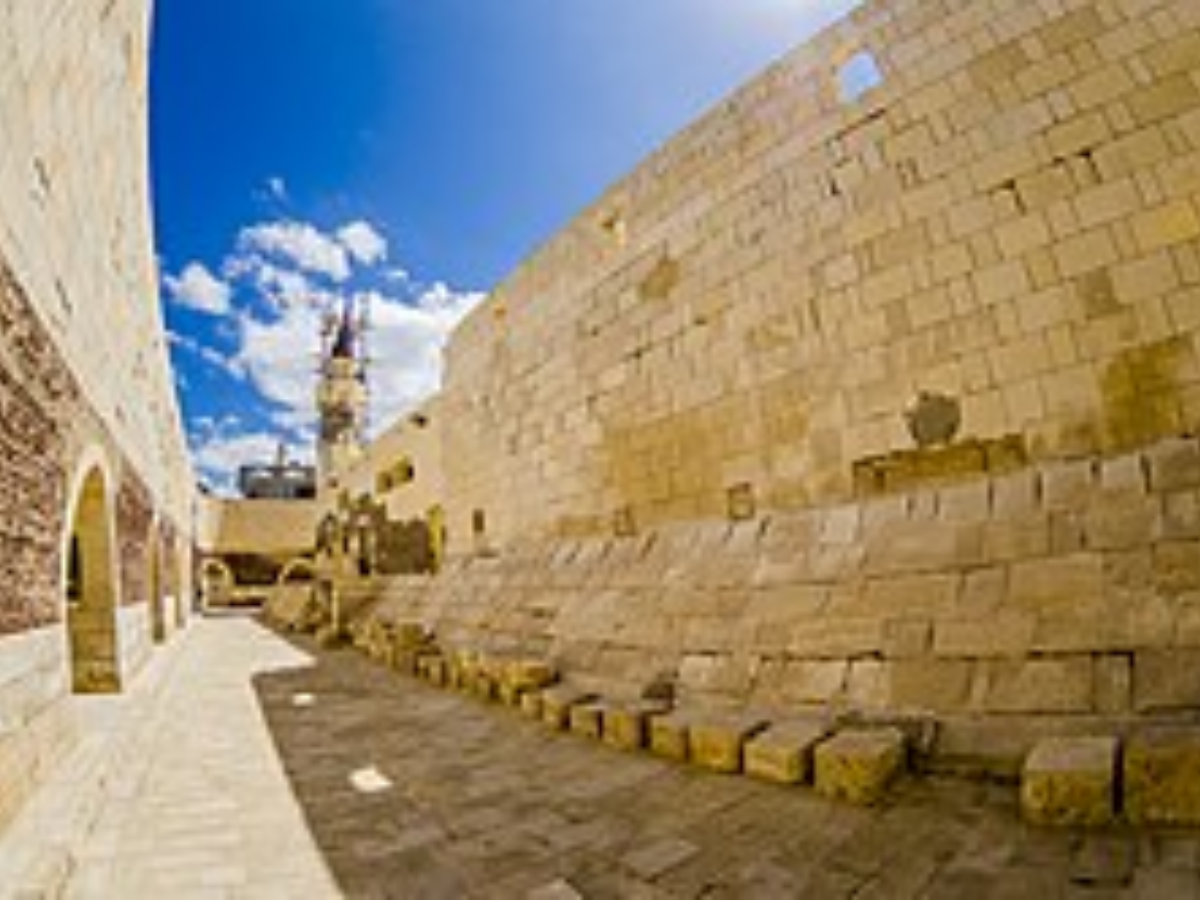
Fort Julien is a fort located on the left or west bank of the Nile about 5 kilometres north-west of Rashid (Rosetta) on the north coast of Egypt. Image Credit: Wikipedia
From military trash to a breakthrough in scienceBy late antiquity, the ability to read hieroglyphs had been lost. For many centuries, the impressive symbols on Egyptian temples and other constructions remained a mystery to scholars. The discovery of the stone itself did not bring the solution to this puzzle immediately; however, it showed the way to follow for all competing scientists.The artifact soon became the focus of an intellectual contest, with Thomas Young and Jean-François Champollion among the leading figures.
The preserved inscriptions helped them gradually identify royal names, understand their pronunciation and finally decipher the structure of the ancient language. This process took several decades of hard work after the first discovery in 1799 and showed that the stone was a key rather than an instant miracle.An enduring legacy for future historiansOver two hundred years after Pierre-Francois Bouchard salvaged the slab from its burial place in the fort wall, the Rosetta Stone story is still capable of capturing public imagination.There was a need for people to spend countless generations being curious and conducting rigorous testing and cross-checking to get this artifact to open up its secrets from a piece of military debris.








 English (US) ·