

 5 hours ago
6
5 hours ago
6
ARTICLE AD BOX
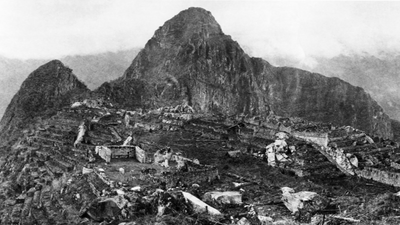
The initial 1911 documentation of the ruins before major modern clearing operations. Image Credit: Wikimedia Commons
During the summer of 1911, the American explorer Hiram Bingham climbed a rugged mountain ridge in Peru. Although he did not set out to make archaeological history, he stumbled upon the walls of Machu Picchu amid dense vegetation with help from local guides.It should be emphasized that this discovery was significant because it marked a landmark moment in the documentation of ancient ruins. It was a result of both the majestic stone walls of the site and numerous photographs and reports of explorers.Global media spectacleThe 1911 discovery did a lot more than simply reveal the ruins. It helped popularize a new way of spreading information about an archaeological find. As the Library of Congress states in its historical analysis, Bingham's detailed documentation resulted in a constant flow of professional publications and pictures.
The extensive publicity began with a special 1913 edition of National Geographic and continued with excavation reports and widely read books.Such rapid distribution suggests that an archaeological site's long-term popularity can be influenced by who describes the find, when it is described and which images circulate. The initial documentation created a strong story around the mountain ruins quickly using print materials, field observations and pictures.
Thanks to such an extensively well-documented account, Machu Picchu did not become another hidden place known only to a few people capable of reaching the ridge.
Instead, it quickly became a subject of global historical discussion.
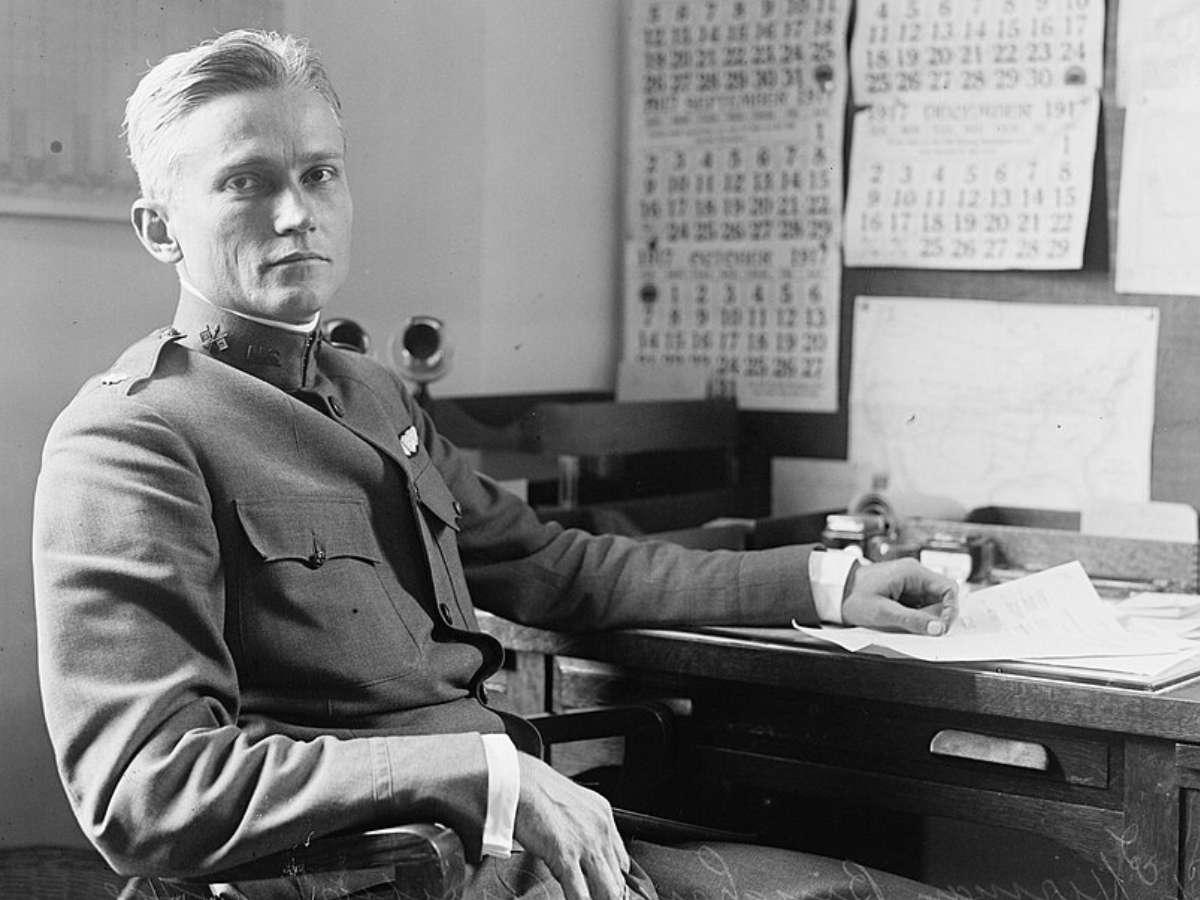
Hiram Bingham III (November 19, 1875 – June 6, 1956) was an American academic, explorer and politician. Image Credit: Wikimedia Commons
The importance of local knowledgeAlthough history books often tell the story of a lone explorer, the reality was more collaborative. The ascent of the Andes required local knowledge from guides in Peru.
Although outsiders made sure to take credit for the expedition as they became famous throughout the world, their success involved much collaboration.This reminder of the local component shows how discovery is often associated with human interaction.An extensive collection for future researchField notes taken by the first wave of explorers laid the groundwork for the whole body of current research conducted at the site. According to an additional report prepared by the Library of Congress, there exists an extensive archive of information collected during the expeditions of 1911, 1912, and 1915.
These sources include maps, photos, and descriptions of the excavations.These sources are not only descriptions of the stone walls at that moment. They form the basis for later researchers studying the site and debating the findings of Bingham and his colleagues. In this sense, later researchers often referred to those first expedition documents when reaching different conclusions.Finally, the legacy of the 1911 expedition suggests that an archaeological discovery is more than a single moment in time. It can be a continuing process of study and preservation.









 English (US) ·