

 59 minutes ago
5
59 minutes ago
5
ARTICLE AD BOX
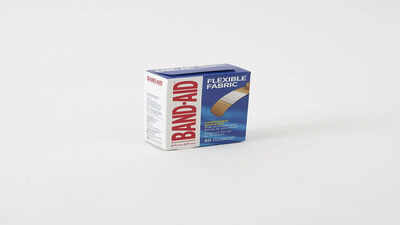
In 1920, Earle Dickson invented a preassembled bandage to help his wife with minor injuries. He combined adhesive tape and sterile gauze, creating a ready-to-use solution that eliminated the need for scissors. Image Credit: Wikimedia Commons
Life often turns small frustrations into products that reach millions of households worldwide. History shows that many everyday products began as simple ideas at the kitchen table.An ordinary domestic challenge in an American home entirely transformed the way the world approaches minor first aid. In 1920, a young cotton buyer named Earle Dickson noticed that his newlywed wife, Josephine, frequently suffered small burns and minor cuts while preparing meals and tending to chores in their New Brunswick, New Jersey home. At the time, treating these everyday mishaps was a clumsy and frustrating task, requiring the couple to manually cut up separate pieces of adhesive tape and cotton gauze every single time an injury occurred.After recognising the problem, Dickson set out to design a preassembled solution. His goal was to create a dressing that could be used immediately. The family innovation became the basis for a widely used consumer product.Combining standard medical supplies into a ready-made solutionEarle made the prototype at home using materials from his job. The inventor took a long strip of surgical adhesive tape and laid it flat across his work table.
He folded a small square of sterile cotton fabric and attached it to the centre of the strip, leaving the adhesive edges exposed so they could stick to the skin.To ensure the new creation could be rolled up and stored safely without sticking to itself, the designer faced a practical hurdle. According to the official history compiled by the manufacturer on the Band-Aid brand heritage portal, Earle solved this storage issue by lining the exposed adhesive sections with a thin layer of crinoline fabric.
When his wife had a minor injury, she could cut off a piece of the roll, peel away the backing, and apply it to the cut.The design's main advantage was that it was ready for immediate use. Instead of requiring scissors, the preassembled strip could be applied quickly with one hand. When Earle shared his homemade prototype with his manager at work, the company immediately recognised its immense market utility and quickly initiated plans to manufacture and sell the product under the now-famous trademark.
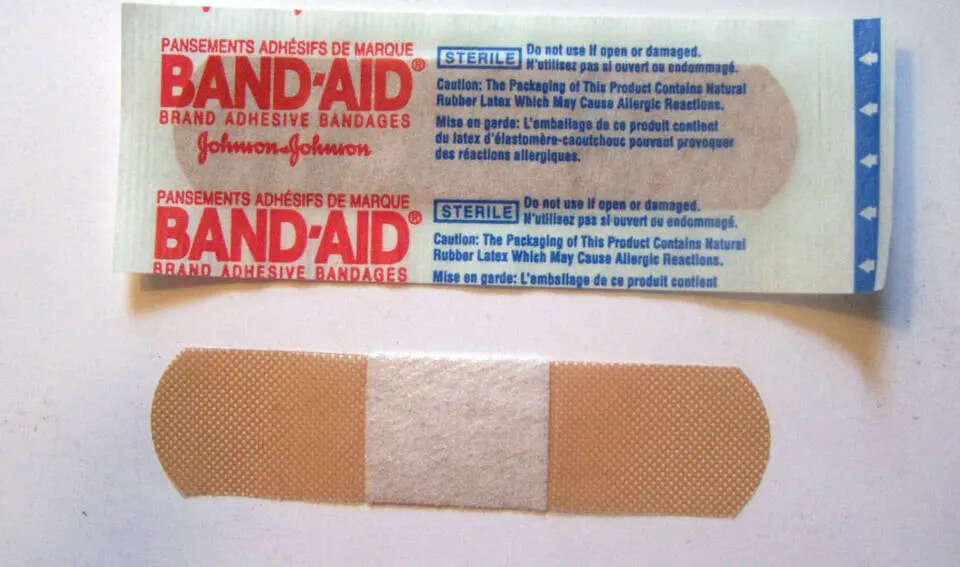
This innovation, initially a homemade prototype, quickly became a widely manufactured product, revolutionising minor first aid and home care. Image Credit: Wikipedia
How a domestic shortcut aligned with modern medical engineeringThe introduction of this simple household fix marked a major turning point in how communities managed minor health events without immediate medical intervention. Early manufactured versions were eighteen inches long and required users to cut off their own pieces, but the product truly revolutionised home care once mass production and pre-cut, sterilised bandages became the standard.
The basic principle of providing an integrated, clean, and easy-to-apply shield helps standardise basic wound care.A scientific review under the title Dressing Materials: A Comprehensive Review notes that effective skin coverings must protect the vulnerable site while preventing external contamination. By keeping the adhesive away from the cut, the original design helped define modern consumer wound care.The combination of convenience and safety helped change consumer wound care. While initially the invention was handmade, later on, it developed into a huge product line including sheer fabrics, plastic backing, antibacterial ingredients, and even baby products. This invention suggests that useful products can come from reworking familiar materials in practical ways.Many enduring products began as simple solutions to everyday problems.








 English (US) ·