

 6 hours ago
2
6 hours ago
2
ARTICLE AD BOX
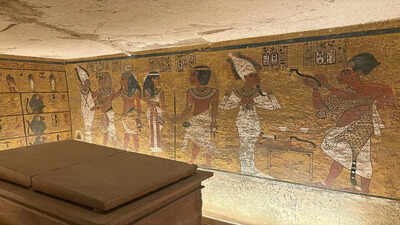
A chance discovery in Egypt's Valley of the Kings unearthed the tomb of Tutankhamun. This untouched treasure trove revealed golden artefacts and offered a unique glimpse into ancient Egyptian life. Image Credits: Wikimedia Commons
Many of the most monumental events that humans have ever experienced start with the simple act of one sound being made. In November of 1922, after many years of unfruitful excavation work in the harsh environment of the Valley of the Kings in Egypt, a British archaeologist named Howard Carter was on his last legs financially and temporally.
His dig crew had only weeks left before they were forced to pack up their equipment and return home when one of the water boys made a discovery.As the men frantically cleared centuries of debris from limestone chips and other detritus, a steep set of steps started to appear, leading down into the depths of the earth. At the foot of the steps was a plaster door bearing intact seals of royalty belonging to a boy pharaoh who had long been forgotten.Before then, the valley had been regarded by many specialists as having been completely stripped of its treasures. Instead, the seemingly insignificant act paved the way for accessing a previously untouched cache containing golden thrones, chariots, and even a royal mummy encased in a myriad of priceless objects. From what could have been a futile attempt at salvaging from the abandoned dig site emerged one of the most famous archaeological discoveries of all time.
The golden time capsule that changed ancient historyThe sheer richness of artefacts contained in the small rooms astounded the whole world, thereby redefining people’s perspective on Egyptian history. According to a detailed historical article from the University of Cambridge, the importance of the discovery lay in the fact that it provided a completely unparalleled record. Every single object found inside the cramped tomb was captured on camera in its original position.The extensive archival research process made it possible for people to experience the moment-to-moment excitement of the discovery as it was happening. Different from other royal tombs, which were totally looted by grave robbers in ancient times, the tomb of Tutankhamun offered a pristine insight into the elaborate ritual systems, artistry, and opulence of the New Kingdom. The worldwide media went berserk, making the young pharaoh known to everyone and creating an enormous Egyptological craze that still affects fashion, arts, and films.
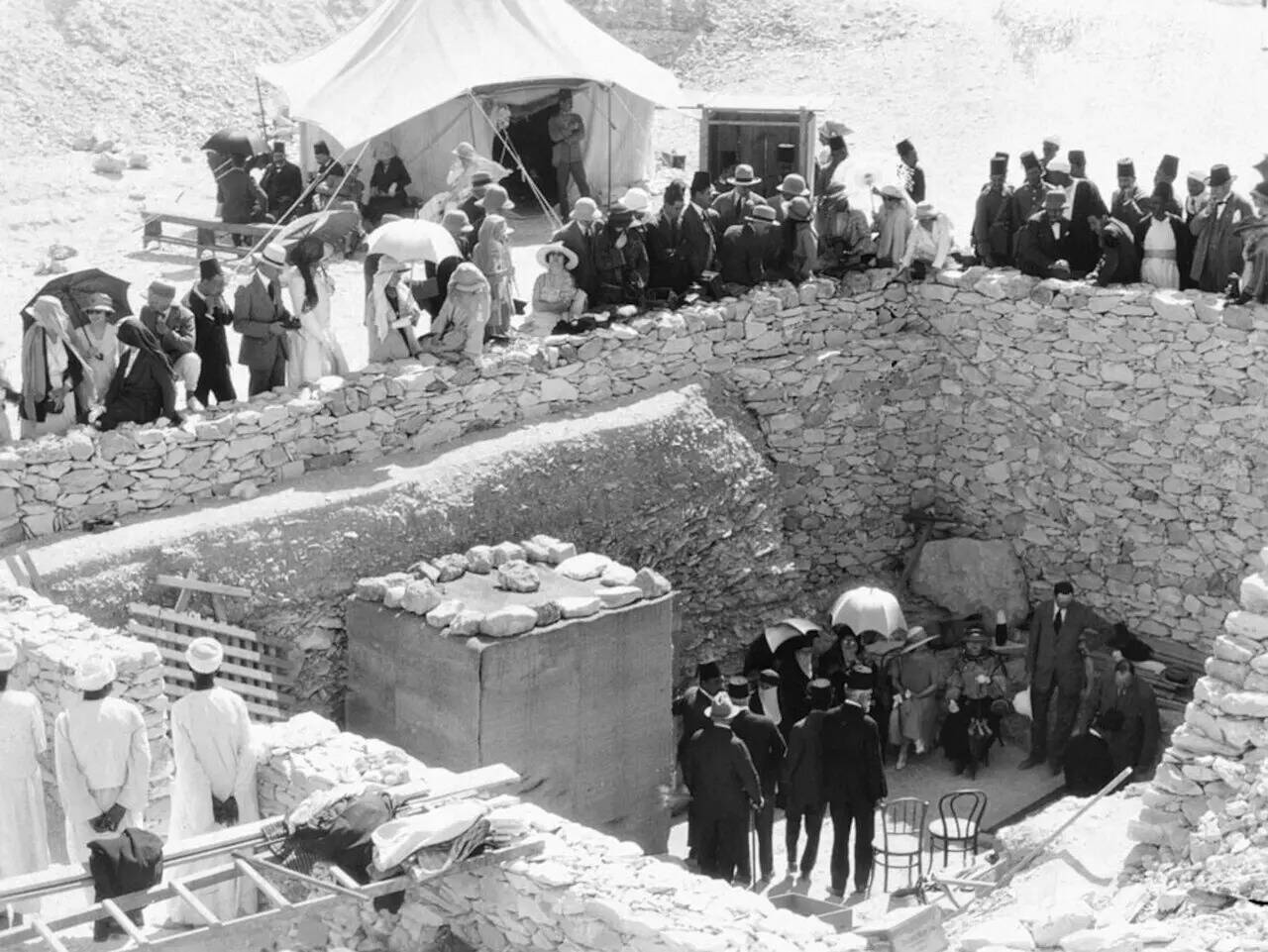
The find redefined historical understanding and sparked global fascination. Even today, scientific analysis of the tomb's contents yields new insights into the past. Image Credits: Wikimedia Commons
Unravelling fascinating mysteries from ancient threadsDespite the fact that a hundred years have already passed since the doors of the tomb were opened for the very first time, the items stored inside are still offering amazing revelations for modern science. According to a scientific paper featured in the journal Gels, scientists are now utilising non-invasive chemical analysis to better understand the organic artefacts contained within the tomb.This detailed analysis was able to detect the exact plant dyes that were used to produce the reds, yellows, and blues of the pharaoh's royal funeral costume. This remarkable state of preservation is very rare for organic materials from this time period, and it offers historians an insight into the elaborate trade and agriculture systems of the ancient Mediterranean.Today, the legacy of Tutankhamun's tomb remains incredibly vibrant. It serves as a beautiful reminder that a single stroke of luck can completely rewrite our understanding of the human story. While we walk through our modern cities, layers of forgotten lives are resting just beneath the surface, waiting for the right moment to come back into the light.What is incredible is that for many years, workers from the past constructed their own tombs above the entrance of King Tutankhamun, unknowingly walking on top of the gold-filled kingdom every single day.









 English (US) ·