

 5 days ago
10
5 days ago
10
ARTICLE AD BOX
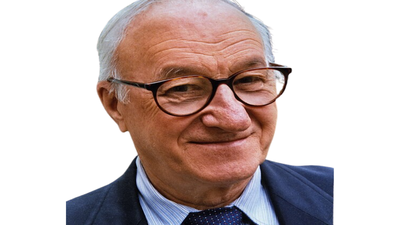
Albert Bandura (December 4, 1925 – July 26, 2021) was a Canadian-American psychologist and professor of social science in psychology at Stanford University. Image Credit: Wikimedia Commons
By the early 1970s, this toy had become the subject of some of the most well-known studies in psychology. Scientists put children in a room and allowed them to observe adults hitting, kicking, and yelling at a Bobo doll.
When the children were later left alone with the same toy, they did not simply play with it. Instead, they repeated aggressive behaviors they had observed in the adults. This study helped psychologists understand what is now called social learning. It suggested that behavior can be learned through observation without direct reinforcement. This research helped advance the field and challenged older ideas about learning.
In reality, children are keen observers who learn from their parents' actions.What did the Bobo doll experiment revealThe Bobo doll study was conducted by Albert Bandura and became a classic demonstration of how aggression could be learned through observation. In the experiment, an adult demonstrator beat, kicked, and verbally abused the doll. After viewing such a scene, the children would imitate the actions directed at the doll. Based on the literature review in the Science of Learning journal, this is a typical case of observational learning when children repeat the behavior seen modeled by the adult.
This finding had great significance since it proved that punishment and reward were not necessary in order for a certain type of behavior to be imitated. Instead, observing the act performed was sufficient to affect future actions of the child. This showed how quickly children can learn certain behaviors from adults.
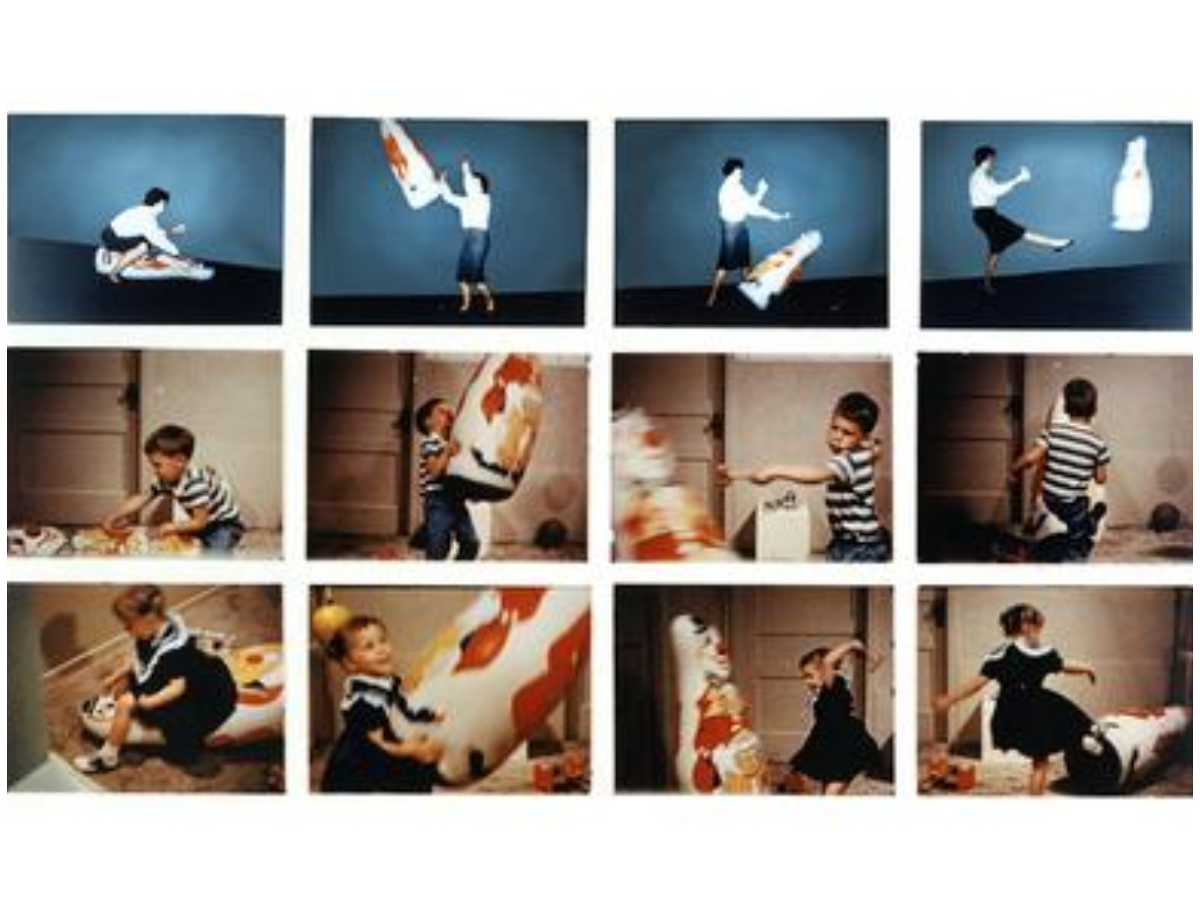
The Bobo doll experiment was used by psychologist Albert Bandura to test his social learning theory. Image Credit: Wikipedia
Creating the template within the mindBeyond demonstrating imitation, the Bobo doll experiments also elevated the importance of social learning theory in developmental psychology.
Researchers began to examine how observation and reinforcement shape learning after the study drew attention. Moreover, this approach reflects what often happens in families every day.Adults often model emotions, aggression, and conflict in front of their children. This suggests the Bobo doll experiments were about more than simple imitation in a single setting. According to a research paper indexed in PubMed, aggressive models influence the creation of social scripts, expectations, and competence in children.Repeated observation can turn these behaviors into stable habits. In simple terms, it is not only about imitating a single behavior in response to a situation but also about building a behavioral template for later use.A caution about our environmentsAnother factor that made the Bobo doll experiment so influential is the clarity of its setup. Although the children closely mimicked the experimenters’ behavior, the results suggested something more was going on.
Observational learning, apart from including imitation, also involves the social transmission of preferences and teaching.As a result, the Bobo doll experiment should be viewed in a broader context than a simple aggression study. Behavior is influenced by many factors beyond direct experience. The social environment and role models also help shape people’s decisions and behavior.In essence, the study is often cited as a reminder that children learn a great deal by observing their surroundings. Adults’ behavior in front of children matters because children may carry those lessons into later life.









 English (US) ·