

 1 hour ago
5
1 hour ago
5
ARTICLE AD BOX
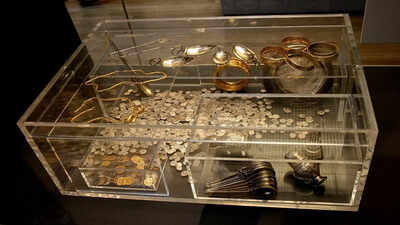
A metal detector search for a lost tool in a Suffolk field in 1992 led to the discovery of the Hoxne Hoard, a significant Roman treasure. Image Credit: Wikimedia Commons
It is remarkable that a search for a misplaced household tool can lead to a discovery that changes how we view ancient society. It's easy to get lost in the everyday bustle – looking for that missing drill or making a quick run out to the garden, but there's something in the ground beneath our neighbourhoods that, for the most part, holds onto its old secrets and seems to only give them up at the most unpredictable of times.A commonplace task in a Suffolk field one afternoon gave us an entirely new insight into the wealthy final years of Roman Britain. The year was 1992, and Eric Lawes walked out into a field armed with a metal detector, searching for a dropped hammer. To his surprise, the metal detector began to hum a steady, insistent note, and instead of the horseshoe or piece of old machinery he expected to uncover, he hit a layer of dense metal.Because Lawes reported the find immediately to local authorities, archaeologists were able to document the hoard in place. Researchers documented exactly how a wealthy family buried their valuable belongings in a time of extreme upheaval, revealing an astonishing hoard of silver and gold and suggesting a connection between everyday life and the survival of ancient objects.A monumental treasure trove of domestic luxury was discovered buried in a rural fieldSuffolk became a hive of scientific investigation, as excavators unveiled the intricacy of the treasure trove beneath the surface. According to The Hoxne Late Roman Treasure by the Cambridge University Press, inside a now rotten wooden chest, the outline of which remained in the soil, lay a hoard of exquisite dining utensils, gold jewellery and thousands of meticulously preserved imperial coins.
The variety and quantity of objects suggest the hoard was valued for more than its monetary worth. The Hoxne Hoard’s place in studies of the final years of the Western Empire has now been thoroughly assessed. The Oxford Coin Hoard of the Roman Empire has recorded the Hoxne collection as a benchmark in an analysis of the thousands of gold and silver pieces, as well as luxury items. This catalogue suggests the family buried items with both social and financial value, including silver pepper pots and tiny ladles found nested together.The almost perfect condition in which the items had been hidden by their owners, a complete set of treasure as defined as items for household use as well as treasure as an expression of wealth and status, told that their burial was deliberate and organized; instead of being strewn in random disorder that would indicate sudden disaster, the jewelry and the dishes had been carefully laid together, placed within leather parcels or in pieces of rags.
This suggests the hoard may have been carefully arranged for possible retrieval.
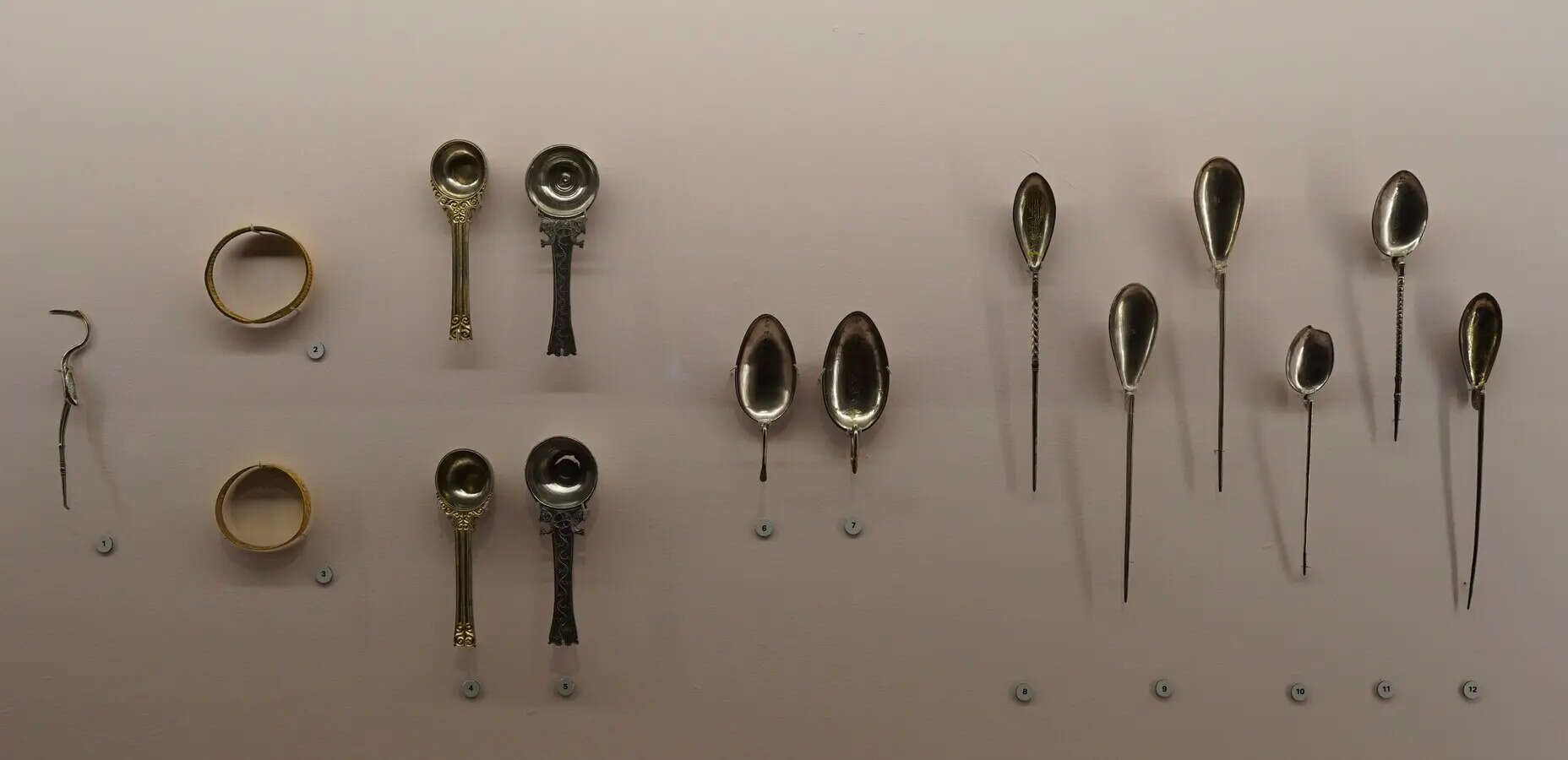
This find revealed exquisite silver and gold items, challenging previous views of Roman Britain's decline by showcasing continued wealth and sophisticated living among elites during a period of upheaval. Image Credit: Wikimedia Commons
How an elite society reacted and adjusted to the politicised landscape of Roman BritainThe wealth and high-quality workmanship in this rural province suggest a more complex picture of Roman Britain's end. For many decades, the later years of Roman Britain have been viewed as a period of falling living standards and abandoned settlements, but the craftsmanship of these objects suggests a more complex and sophisticated society.The level of economic viability of the region during the turbulent years toward the very end of Roman power is highlighted by the results of a study titled Identification and measurement of intensive economic growth in a Roman imperial province, that suggested the level of economic expansion in the territory toward the end of the period was remarkable, demonstrating an increase in urban living and commercial interconnectedness so great that local elites had access to international commodity markets and acquired substantial wealth at the same time as the imperial center began to feel pressure.This complicated picture of abundance and unease offers a human glimpse of the past: an ancient family hid its finest possessions as their world was collapsing around them. The irony is that an elite family tucked away its gold spoons and silver chains to protect them from a collapsing empire, and the hoard remained hidden until someone looking for a dropped hammer discovered it.









 English (US) ·