

 1 hour ago
7
1 hour ago
7
ARTICLE AD BOX
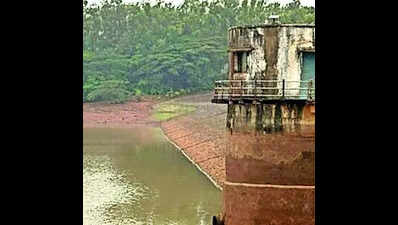
In the heart of Kaimur and Rohtas districts, a dire shortage of drinking water has led tribal families to delay wedding festivities, many choosing to reschedule their ceremonies for July in hopes of monsoon rains. Despite the allocation of government resources, the rugged terrain is left wanting for water and electricity.
Sasaram: Drinking water crisis in the hilly Adhaura block of Kaimur district and parts of Rohtas district is disrupting weddings, with many tribal families postponing the ceremonies.
Instead of organising ceremonies during the peak ‘lagan’ season of April and May, the residents are shifting wedding dates to June-end and July, hoping for relief with the onset of monsoon.Before the 2025 assembly elections, the state govt sanctioned about Rs 400 crore for potable water supply in the hilly areas. However, sources claimed that the hilly regions of Kaimur and Rohtas, particularly the Adhaura block, remain among the few areas in the state where neither adequate drinking water supply nor reliable electricity has reached even after 78 years of Independence.Villagers say that water scarcity becomes severe during summer, making it nearly impossible to manage large gatherings such as weddings. With expectations that rainfall will start after June 15, many families have decided to delay ceremonies. However, those who cannot postpone due to prior commitments are opting for marriage halls and lawns in plain areas near the district headquarters, Bhabua town, where water supply is relatively assured.
In the hilly regions, natural sources remain the only means of drinking water for more than 80,000 inhabitants, most of whom belong to tribal and backward communities.In several villages, residents travel long distances to fetch drinking water. People from areas like Tala, Saleya, and Dahar in Adhaura walk nearly 4km to access wells in Bandha and Jharpa villages. Similarly, villagers in Bargaon Kala and Barwan Khurd depend on water sources located about 2km away, while others travel even longer distances to meet basic needs such as cooking and drinking.
During the summer season, even bathing becomes a distant dream for many inhabitants.A local villager Uma Shankar Singh said many families have already rescheduled wedding-related events. Yogendra Yadav from Barwan Khurd has fixed his daughter’s wedding for July 2, while Bhoju Yadav of Khamkala has scheduled his son’s tilak ceremony for June 21. Similarly, Netlal Singh of Dumrawan has chosen June 29 for his son’s ceremony, and several others have also shifted their plans to late June.At the same time, some families have chosen an alternative route by booking venues in urban areas. Dalgajan Yadav has arranged his daughter’s May 2 wedding at a lawn in Bhabua, some 45km from Adhaura block town, while teacher Sabbir Alam will conduct his niece’s wedding there on April 17, citing water scarcity in the village despite the additional expenses involved.Officials confirmed a sharp decline in groundwater levels.
According to PHED junior engineer Vibhav Kumar, the water table has dropped by 8 to 12 feet in higher altitude panchayats like Adhaura and Barwan Kala, while in several other villages, it has fallen by 6 to 8 feet. Out of 1,246 handpumps in the block, 72 are defunct, though some repairs and water supply measures are underway.The crisis has also triggered seasonal migration among cattle herders, who are moving towards the plains with their livestock due to dried-up rivers and water sources.
Many have settled near rivers such as Kudra, Karmanasha, and Sone, where they will remain until the monsoon arrives.Allegations of corruption and poor planning in check dam construction have further intensified concerns, as many such structures fail to retain water during summer. Many families of Kudra town of Kaimur district seeking anonymity said every summer session, their relatives of the hilly area come to their homes with their cattle and remain till monsoon break in the last week of June. The cattle are kept near Kudra river.




 English (US) ·