

 1 hour ago
4
1 hour ago
4
ARTICLE AD BOX
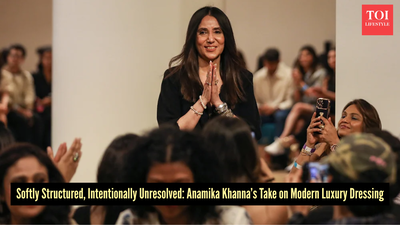
(Image Credits: Instagram)
As Indian fashion continues to shift towards wearable designs and global relevance, Indian fashion designer Anamika Khanna’s vision says something else. Rather than chasing the route to perfection, she’s rewriting the narrative with one ‘imperfect’ silhouette at a time.In this exclusive conversation, the AK|OK founder delves into her Lakme Fashion Week 2026 showcase, where her vision revolved around ease and freedom of art and work of asymmetrical designs with raw edges. For her, the imperfection isn’t accidental, but it is very much intentional and is quite important in delivering a garment's feel.Speaking candidly about resisting the speed of fast fashion and championing the art of karigari, she prioritises fluidity over formal show and believes the new-age consumer is aching for this blend. She believes that fashionshould not feel imposed, but it should evolve with the wearer.
(Image Credits: Instagram)
So, let's step inside the creative mind of this visionary, where she talks about the future of fashion, shares her nuanced perspective on global craftsmanship and more.
Your recent collection celebrates and talks about ‘misplaced beauty'. What inspired this idea, and how did you translate it into wearable fashion?
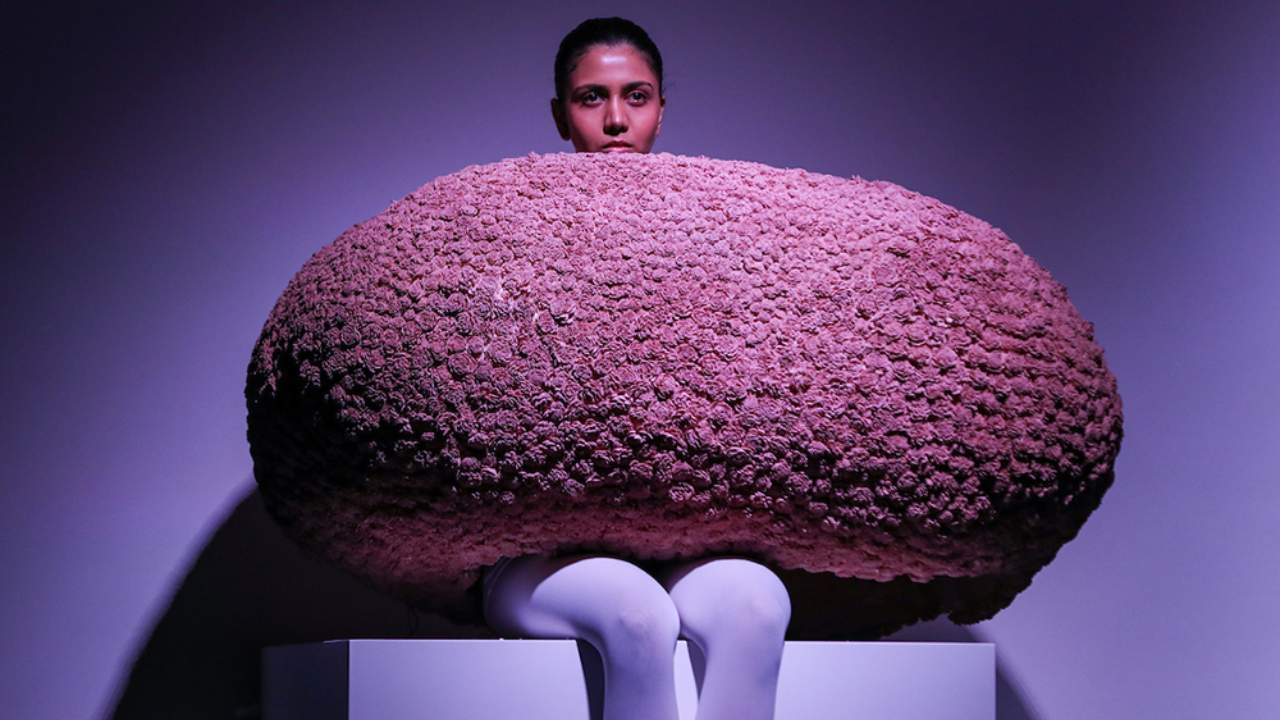
Anamika: The core idea was imperfection. I kept coming back to the idea that things don’t always have to be resolved or perfectly placed to feel beautiful; it’s okay to let things be. In the SS’26 collection, this translated into garments that didn’t feel overworked.
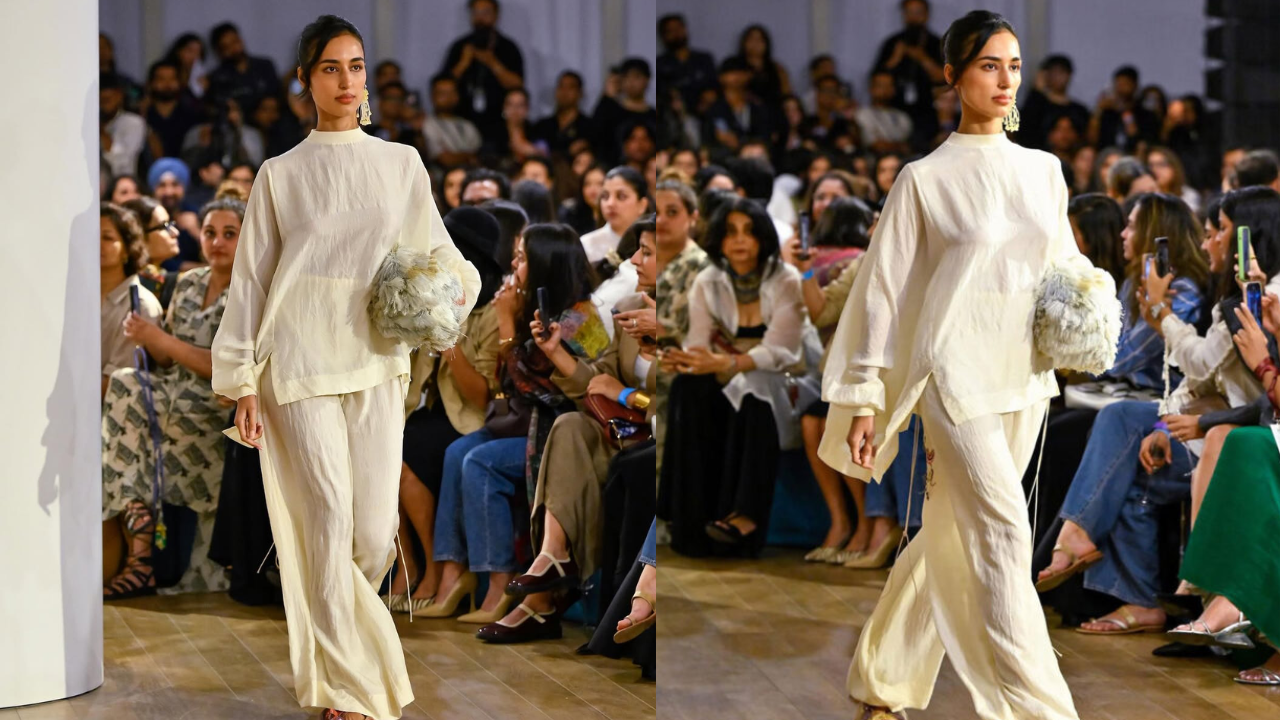
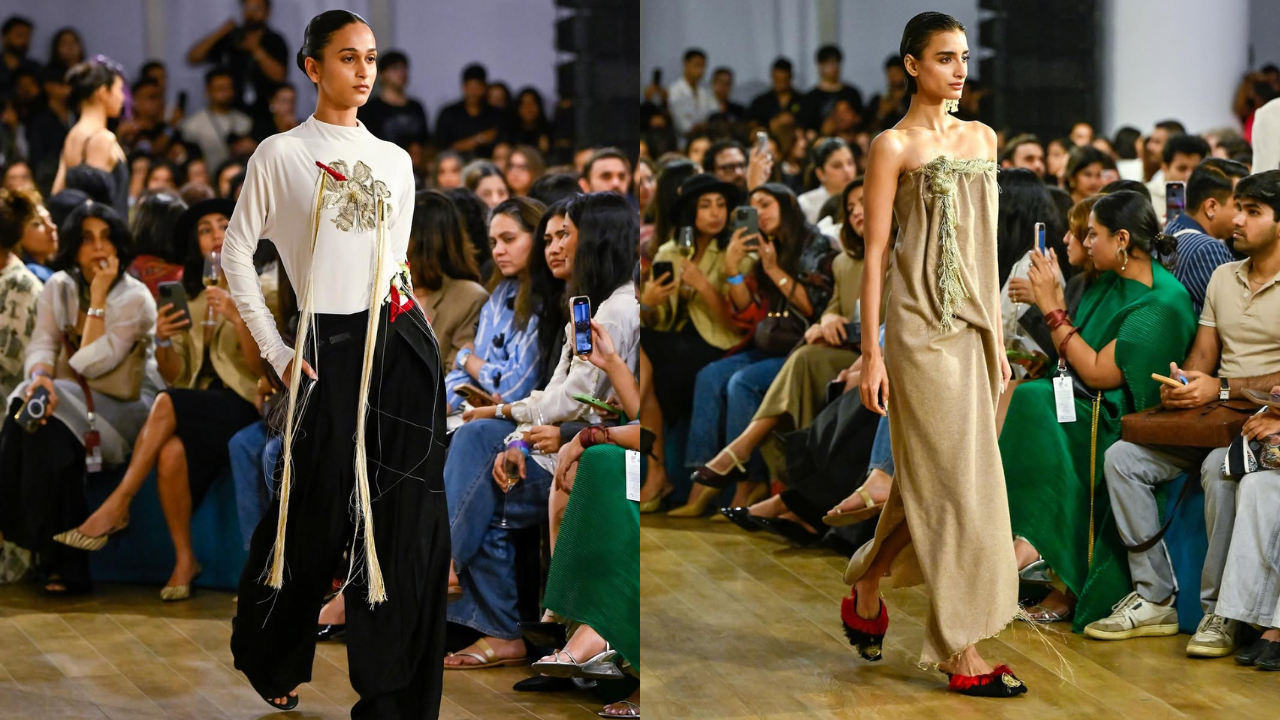
We allowed elements to sit slightly off through asymmetry, raw edges, and surfaces that felt more hand-touched than engineered. It wasn’t about creating drama but about allowing clothes to feel real, almost like they’ve evolved naturally rather than being forced into a final form.
(Image Credits: Instagram)
You’ve spoken about embracing imperfections—how do you ensure these “flaws” still feel refined and desirable to your audience?
Anamika: For me, imperfection is not careless; it’s considerate. There’s a difference between something being unfinished and something being intentionally unresolved.
I’ve always believed that there is never any replacement for what is done by the human touch. That human irregularity is what makes something feel refined more deeply. So even when something looks imperfect, it is held together by technique, craft, and proportion.
That balance is what keeps it desirable.
Over the past decade, Indian fashion has moved from traditional couture to global-ready hybrids. How have you personally navigated this shift?
Anamika: I think I’ve been navigating this for a long time, even before it became a larger conversation. There was a point when I realised that people don’t want a "costume"; they want something edited, something they can live in.
That changed how I approached design, mixing Indian elements with a more global understanding of fit, structure, and wearability. Now, it feels less like a shift and more like a natural progression.
The idea is to create pieces that don’t feel restricted by geography; they just belong to the person wearing them.
With fast fashion accelerating trends, how do you preserve the integrity of Indian craftsmanship in your work?
Anamika: I don’t think craft is meant to keep up with that pace—it has its own rhythm, and that needs to be respected.
For me, it always begins with the karigar and the process, which can’t be rushed. At the same time, craft can’t be held still. It has to evolve and find relevance in how we dress today. When it’s brought into a more contemporary context, it naturally becomes part of everyday wardrobes—and that’s what keeps it alive.
(Image Credits: Instagram)
Are Indian consumers today more design-conscious or brand-conscious, according to you?
Anamika: They are definitely becoming more design-aware. There’s a shift towards understanding how something is made, how it feels, and how it fits into their life.
The modern consumer doesn’t want to be overdressed or overdefined; they want flexibility. That’s why collections today are less about occasion and more about possibility.
After this exploration of fluidity and imperfection, what directions are you excited to explore next?
Anamika: I don’t see this as a finished idea. Imperfection and fluidity are not trends; they’re ways of thinking. Now I plan on pushing this idea of adaptability further to clothes that can be worn differently, that change with the person, and pieces that don’t impose but evolve with whoever inhabits them.
Watch
Bollywood Turns Out In Style As NMACC Marks 3 Years With A Star-Studded Night





 English (US) ·