

 4 days ago
9
4 days ago
9
ARTICLE AD BOX
2 min readJammuFeb 17, 2026 04:21 PM IST
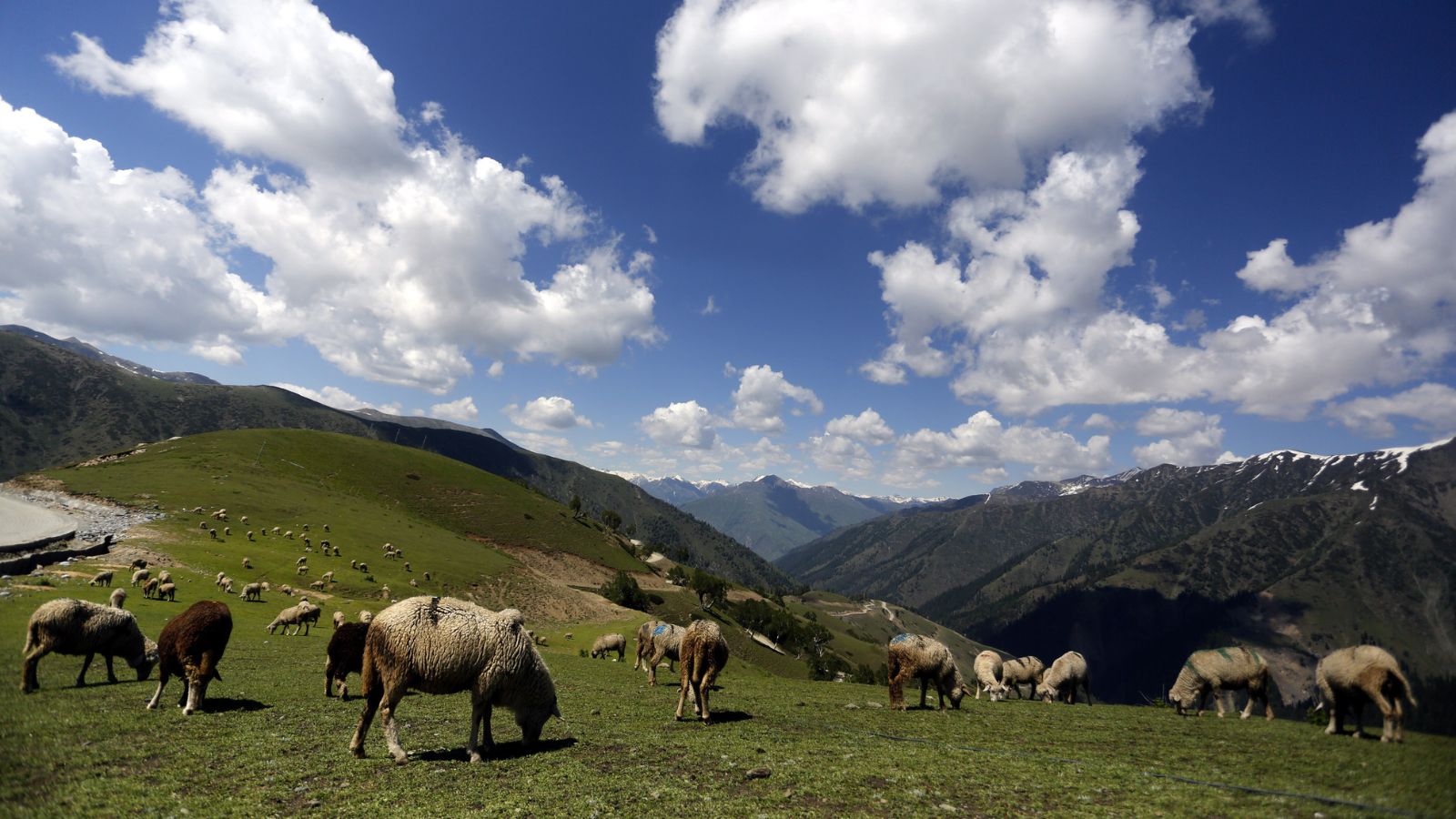 Proactive measures – from scientific habitat zoning to the establishment of specialised control rooms – are beginning to yield results. (Express Archive)
Jammu and Kashmir is seeing a marked shift in the longstanding tension between human settlements and wildlife. According to figures presented by Forest Minister Javed Rana to the Legislative Assembly, proactive measures – from scientific habitat zoning to the establishment of specialised control rooms – are beginning to yield results. What the numbers show:
1. Overall trend
32%: Approximate decrease in incidents in 2024-25 compared to 2023-24.
6,360: Total incidents recorded in 2024-25 (down from 9,301 the previous year).
15,661: The cumulative number of conflict cases between April 2023 and March 2025.
2. Human impact (2024-25)
14: Fatalities recorded in the Union Territory during this period
213: Total number of people injured in these conflicts
4-70: The age range of victims in the Kashmir division (compared to 15-60 in Jammu).
3. Top 5 Conflict Districts (2024-25)
Jammu: 1,341 cases
Ramban: 686 cases
Kishtwar: 673 cases
Anantnag: 637 cases
Doda: 609 cases
4. Injury & fatality hotspots (2024-25)
34: The highest number of injuries in a single district (Anantnag), followed by 30 in Pulwama.
Story continues below this ad
3: The highest death toll by district, shared by Doda and Kupwara.
2: Fatalities recorded in Anantnag.
5. Mitigation infrastructure
42: Control rooms established across the UT for round-the-clock wildlife emergencies.
100%: Equipment standard for these rooms, including tranquilising guns, medicines, capture nets, cages, and rescue vehicles.
6. Pending compensation cases
46: Cases awaiting disbursement in Kupwara.
41: Pending cases in Anantnag.
28: Pending cases in Baramulla.








 English (US) ·